Comparing Runner Beans and French Beans: Key Culinary Differences
If you have ever stood in the produce aisle or gazed at a restaurant menu wondering about the difference between various green legumes, you are not alone. While they may look similar at a glance, the debate of French beans vs runner beans reveals distinct differences in texture, flavour, and preparation methods.
Both varieties are staples in British cuisine and offer impressive nutritional profiles. However, substituting one for the other without adjusting your cooking method can lead to disappointing results—either a tough, stringy texture or a mushy, overcooked vegetable.
Understanding these differences ensures you get the most out of your meals, whether you are preparing a classic Sunday roast or a light summer salad.
This article provides an exhaustive comparison of runner beans and French beans, exploring their culinary uses, nutritional benefits, and how to prepare them perfectly.
Overview: What Is the Difference?
Although they are related, these beans belong to different species and have unique characteristics.
French Beans (Phaseolus vulgaris)
Also known as green beans, string beans, or snap beans, French beans are arguably the most ubiquitous edible pod worldwide. They are typically harvested while the beans inside are still very small and the pod is tender.
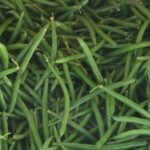
Visually, they are round, pencil-shaped, and smooth to the touch. They are generally sold in two varieties: the standard green bean and the thinner ‘haricot vert’ (French for green bean), which is harvested earlier for a more delicate texture.
Runner Beans (Phaseolus coccineus)
Runner beans are a classic favourite among British gardeners. Unlike the bush-growing habit of many French bean varieties, runner beans are vigorous climbers that produce striking red or white flowers, making them ornamental as well as edible.
Physically, runner beans are long, flat, and have a rougher, slightly coarse skin compared to the glossy finish of a French bean. They contain seeds that are often larger and more developed than those found in French beans at the point of harvest.
Nutritional Comparison
Both varieties are nutrient-dense vegetables that contribute significantly to your daily intake of vitamins and fibre. They are low in calories but high in essential micronutrients.
Here is a breakdown of how they compare per 100 grams (raw):
| Nutrient | French Beans | Runner Beans |
|---|---|---|
| Calories | 31 kcal | 29 kcal |
| Carbohydrates | 7g | 5g |
| Fibre | 2.7g | 3.5g |
| Protein | 1.8g | 2g |
| Vitamin C | 16mg | 18mg |
| Folate (B9) | 33µg | 40µg |
| Vitamin K | 14.4µg | 16µg |
While the nutritional profiles are quite similar, runner beans generally contain slightly more fibre due to their thicker pods. Both are excellent sources of Vitamin C, which supports immune function, and Vitamin K, which is vital for bone health.
For a deeper dive into general legume nutrition, you can read more at Healthline.
Culinary Differences: Flavour and Texture
When analyzing French beans vs runner beans, the most significant divergence lies in how they feel and taste on the palate.
Texture
French beans are celebrated for their ‘snap’. When fresh, they break cleanly in half. Because the pod is fleshy and round, they hold their shape well when sautéed or blanched. They are tender throughout and rarely require de-stringing in modern cultivation.
Runner beans have a coarser texture. The pods are fibrous, which is why they are traditionally sliced diagonally into short ribbons rather than cooked whole. If runner beans are allowed to mature too long on the vine, they develop a tough, fibrous ‘string’ along the seam that must be removed before cooking, earning them a reputation for being more labour-intensive.
Flavour Profile
French beans tend to be sweeter and milder. Their subtle grassy notes make them versatile for salads, stir-fries, and buttery side dishes where they do not overpower other ingredients.
Runner beans possess a more robust, savoury, and earthy flavour. They can stand up to richer sauces, such as tomato-based stews or heavy gravies, which is why they are a frequent accompaniment to red meats in traditional UK cooking.
Health Benefits
Incorporating either bean into your diet provides substantial health advantages.
1. Improved Digestive Health
The high fibre content in both beans aids in maintaining regular bowel movements and preventing constipation. Fibre acts as fuel for beneficial gut bacteria. The NHS recommends increasing vegetable intake to support digestive health, and a portion of beans counts as one of your 5 A Day.
2. Heart Health Support
Legumes are rich in flavonoids and antioxidants. Studies suggest that a diet rich in plant-based foods can lower the risk of cardiovascular disease. The soluble fibre helps lower LDL (bad) cholesterol levels. For more on heart health and diet, the British Heart Foundation offers extensive guidance on fibre intake.
3. Blood Sugar Regulation
Both beans have a low Glycaemic Index (GI), meaning they digest slowly and do not cause rapid spikes in blood sugar. This makes them an excellent choice for individuals managing type 2 diabetes. You can find more details on GI foods at Diabetes UK.
4. Pregnancy Support
Folate (Vitamin B9) is abundant in both varieties. Folate is critical during pregnancy for preventing neural tube defects in the developing foetus. A serving of runner beans contributes significantly to the daily requirement.
Preparation and Cooking Tips
To get the best out of your beans, preparation is key. The method varies drastically between the two.
Preparing French Beans
- Wash: Rinse under cold water.
- Top and Tail: Simply trim the very ends of the bean. You can often line up a handful and chop the ends off all at once.
- Cooking: These are best blanched (boiled for 3–4 minutes then plunged into ice water) to retain their bright green colour and crunch. They are also excellent steamed or sautéed with garlic.
For creative ways to use them, check out recipes from BBC Good Food.
Preparing Runner Beans
- De-stringing: Use a vegetable peeler or a small knife to strip the fibrous string from both sides of the flat pod. Even ‘stringless’ varieties often benefit from this if the pods are large.
- Slicing: Unlike French beans, runner beans are rarely cooked whole. Use a bean slicer or knife to cut them into diagonal slivers or diamonds.
- Cooking: They require a longer cooking time than French beans to break down the fibrous pod—usually boiling or steaming for 5–8 minutes. They are not suitable for eating raw due to trace amounts of lectins, which are neutralized by cooking.
For those interested in growing their own to ensure peak freshness, the Royal Horticultural Society (RHS) provides excellent guides on cultivating runner beans in the UK climate.
Potential Downsides and Considerations
While safe for most, there are minor considerations when consuming beans.
Lectins
Raw beans, particularly runner beans, contain lectins—proteins that can cause digestive distress if consumed uncooked. Always ensure runner beans are cooked thoroughly. French beans contain lower levels but are still best eaten cooked or blanched.
Vitamin K Interference
Because green vegetables are high in Vitamin K, sudden increases in consumption can affect how blood-thinning medications (like warfarin) work. Consistency in diet is key. Consult your GP or resources like Harvard Health if you are on medication.
Environmental Impact and Seasonality
Choosing between French beans vs runner beans can also be an environmental choice depending on your location.
In the UK, runner beans are a highly sustainable seasonal crop, easily grown in domestic gardens from July to October. They require fewer food miles when bought locally in season. For information on organic standards and sustainability, visit the Soil Association.
French beans are often imported from warmer climates (like Kenya or Morocco) to ensure year-round availability in supermarkets. Checking the label for country of origin can help you make a more sustainable choice.
Scientific research continues to highlight the importance of plant-based diets for planetary health. A study indexed on PubMed emphasizes the low environmental footprint of legume cultivation compared to animal proteins.
The Bottom Line
When comparing French beans vs runner beans, the choice ultimately depends on the dish you are creating and the texture you desire.
French beans are your go-to for quick, convenient cooking. They are sweet, crisp, and require minimal preparation, making them perfect for stir-fries, salads, and light side dishes.
Runner beans offer a deeper, more traditional flavour and a hearty texture that stands up to robust cooking methods. While they require a bit more effort to de-string and slice, the result is a comforting, fibre-rich vegetable that pairs perfectly with Sunday roasts.
Both varieties are nutritional powerhouses, packed with vitamins, fibre, and antioxidants. Including a mix of both in your diet ensures variety in flavour and a broad spectrum of nutrients.
For detailed nutritional data analysis on these and other vegetables, you can explore Nutrition Data.
Whether you choose the elegant French bean or the robust runner bean, you are making a heart-healthy choice that adds vibrancy and nutrition to your plate.