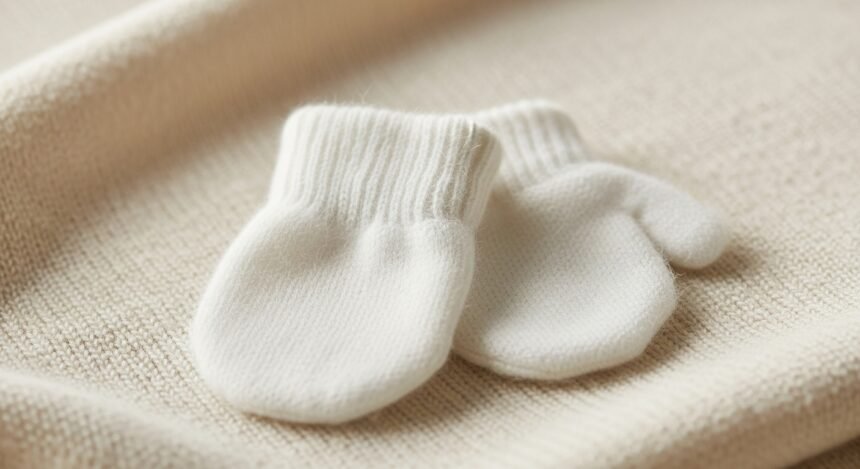
Welcoming a new baby into the world is a joyous occasion, but it also comes with a steep learning curve. One small item that often sparks debate among new parents is the humble baby mitt. Are they essential? Are they safe? Which fabric is best for delicate skin?
In this comprehensive guide, we will explore everything you need to know about newborn scratch mitts UK parents trust, how to choose the right pair, and when it is time to stop using them. Whether you are worried about sharp fingernails or chilly winter walks, we have got you covered.
Why Do Babies Need Mitts?
Baby mitts serve two primary purposes: protection from scratches and warmth. Understanding these needs will help you decide if and when your little one requires them.
Preventing Scratches
Newborns have surprisingly sharp fingernails. Because they lack motor control in their first few weeks, their arm movements are often jerky and random. This can lead to accidental scratches on their face, particularly around the eyes and cheeks.
> “Newborn nails grow quickly and can be very sharp. Scratch mittens can help protect your baby’s soft skin from damage during sleep or wakeful periods.”
Using anti scratch mittens safe for sleeping can give parents peace of mind. According to the NHS Guide to Newborn Skin, keeping a baby’s skin clean and protected is vital, as their skin barrier is still developing. Mitts act as a soft barrier between those sharp nails and delicate facial skin.
Keeping Tiny Hands Warm
Babies are not as efficient at regulating their body temperature as adults. Their extremities, such as hands and feet, can often feel cold to the touch. In cooler months, newborn hand warmers or thicker mitts are essential for keeping your baby comfortable during pram walks or car journeys.
However, it is important not to overheat your baby. The Lullaby Trust on Overheating advises parents to check the baby’s chest or back to gauge their true temperature, rather than relying solely on the feel of their hands.
Types of Baby Mitts Available
The market is flooded with options. Choosing the right style depends on your baby’s age and specific needs.
Scratch Mittens vs Winter Gloves
Standard scratch mitts are usually made of thin cotton. They are designed for indoor use to prevent scratching. In contrast, winter gloves or fleece baby mittens are thicker and meant for outdoor use. Fleece provides excellent insulation but may be too warm for indoor sleeping.
Teething Mittens
As your baby grows, they will start exploring the world with their mouth. Teething mittens for infants are a fantastic innovation. These mitts often feature a textured silicone surface that babies can chew on to relieve gum pain. They also protect the hands from constant saliva, which can cause chapping.
Built-in Options
Many modern sleepsuits come with integral scratch mitts. A baby sleep suit with built in mitts is often the most practical solution. You can simply fold the cuff over the hand when needed and fold it back during playtime to encourage sensory development.
Material Matters: What to Look For
When selecting mitts, the fabric is the most critical factor. Your baby’s skin is sensitive, and the wrong material can cause irritation or overheating.
Cotton and Bamboo
Natural fibres are always the best choice for infants. Organic cotton baby mittens are breathable, soft, and unlikely to cause allergic reactions. They allow air to circulate, reducing the risk of sweaty palms.
Bamboo baby mittens UK shops offer are becoming increasingly popular. Bamboo is naturally hypoallergenic, moisture-wicking, and incredibly soft. It is an excellent choice for babies with sensitive skin or eczema. For more on managing skin conditions, the National Eczema Society offers excellent advice on clothing choices.
Avoiding Synthetic Fabrics
While synthetic fabrics like polyester are durable, they are not always breathable newborn mittens. They can trap heat and moisture, leading to skin irritation. Always check the label and aim for 100% natural fibres for any item that touches your baby’s skin directly.
Safety First: Are Scratch Mitts Safe?
Generally, scratch mitts are safe, but there are specific hazards parents must be aware of.
The Risk of Loose Threads
Inside some poorly made mitts, you might find loose threads. If a thread wraps around a baby’s finger, it can cut off circulation—a condition known as a hair tourniquet.
* Always turn mitts inside out before putting them on your baby.
* Snip any loose threads immediately.
* Inspect them regularly for wear and tear.
organisations like RoSPA Home Safety highlight the importance of checking all baby clothing for potential hazards regularly.
Monitoring Temperature
Overheating is a risk factor for SIDS (Sudden Infant Death Syndrome). If you are using a sleeping bag or a swaddle, adding mitts might make your baby too hot.
Check guidance from NCT on Dressing Your Baby to ensure you are layering correctly for the room temperature.

How to Keep Baby Mitts On
One of the biggest complaints from parents is that mitts fall off constantly. Finding the best baby mitts that stay on can feel like a quest for the Holy Grail.
Elasticated Wrists vs Velcro
* Elasticated Wrists: These are standard but can sometimes be too tight or too loose. Ensure the elastic is gentle and does not leave red marks on the wrist.
Velcro Straps:** *Stay on baby gloves often utilise soft velcro straps. These are adjustable and much harder for a wriggly baby to remove. However, ensure the velcro does not scratch the baby.
The Sock Trick
If you are struggling with mitts falling off, some parents place long socks over the hands and arms (under a cardigan). However, a baby sleep suit with built in mitts remains the most secure option.
Mittens for Skin Conditions
If your baby suffers from eczema, they may scratch until they bleed. Baby mittens for eczema are specifically designed to address this. They are often made from silk or specialised bamboo blends that reduce friction.
Consult Great Ormond Street Hospital on Skin Care for detailed medical advice on managing eczema in infants. Sometimes, keeping the nails short is more effective than covering them.
When to Stop Using Baby Mitts
There is no strict rule on when to stop using scratch mitts, but child development experts suggest weaning them off relatively early.
Sensory Development
Babies learn through touch. By 8 to 12 weeks, babies start to discover their hands. Keeping them covered constantly can hinder their sensory development and fine motor skills.
> “Touch is a fundamental way infants learn about their environment. Free hands allow them to self-soothe and explore textures.”
Try to limit mitt usage to sleep time only once your baby passes the newborn stage. NHS Start for Life encourages plenty of skin-to-skin contact and sensory play.
Nail Care as an Alternative
Regular nail trimming reduces the need for mitts. BabyCentre UK on Cutting Nails suggests cutting nails when the baby is sleeping or feeding to avoid sudden movements. Using an emery board to file sharp edges is often safer than scissors for newborns.
Caring for Your Baby’s Mitts
Hygiene is crucial. Washing baby mittens frequently is necessary as they often end up in the baby’s mouth.
- Use Non-Bio Detergent: This reduces the risk of skin irritation. Allergy UK recommends products approved for sensitive skin.
- Wash Before First Use: This removes any manufacturing residues.
- Check for Damage: After washing, check again for loose threads.
Summary of Key Points
* Purpose: Protection from scratching and warmth.
Materials:** Choose **organic cotton baby mittens** or *bamboo baby mittens UK for breathability.
* Safety: Check for loose threads inside.
* Duration: Stop using them during awake time around 2-3 months to aid development.
* Alternatives: Keep nails trimmed or use suits with fold-over cuffs.
For more product safety reviews, Which? Baby Safety provides independent assessments of many baby products. Additionally, NHS Scotland Ready Steady Baby offers a wealth of general care advice.
If you are ever unsure about a rash or skin issue that you are covering with mitts, seek advice. St John Ambulance provides excellent resources on spotting signs of illness.
By choosing the right mittens for 6 month old babies (if needed for winter) or newborn scratch mitts, you ensure your little one stays safe, comfortable, and happy.
—
Frequently Asked Questions (FAQ)
1. Are scratch mitts necessary for newborns?
Not strictly necessary, but they are very helpful. Many newborns scratch their faces accidentally. Mitts provide a barrier, but you can also simply keep their nails trimmed short. Many parents find them essential for the first few weeks.
2. How long should babies wear scratch mittens?
You should aim to stop using them during awake time by around 8 weeks old. Babies need their hands to explore and self-soothe. You can continue using them at night if scratching is still an issue, but usually, by 3 to 4 months, they are no longer needed indoors.
3. Can babies sleep with mittens on?
Yes, it is generally safe for babies to sleep with mittens on, provided they fit well and do not have loose threads. Ensure they are breathable (like cotton) to prevent overheating. Always monitor your baby’s temperature.
4. How do I keep baby mittens from falling off?
Look for mitts with a gentle elasticated wrist or a soft velcro strap. Alternatively, use a babygrow or sleepsuit with built-in fold-over cuffs, which are much harder for a baby to escape from than separate mitts.
5. What is the best material for baby mitts?
Organic cotton and bamboo are the best choices. They are natural, breathable, and soft against sensitive skin. Avoid synthetic materials like polyester for indoor use, as they can cause hands to become sweaty and clammy.