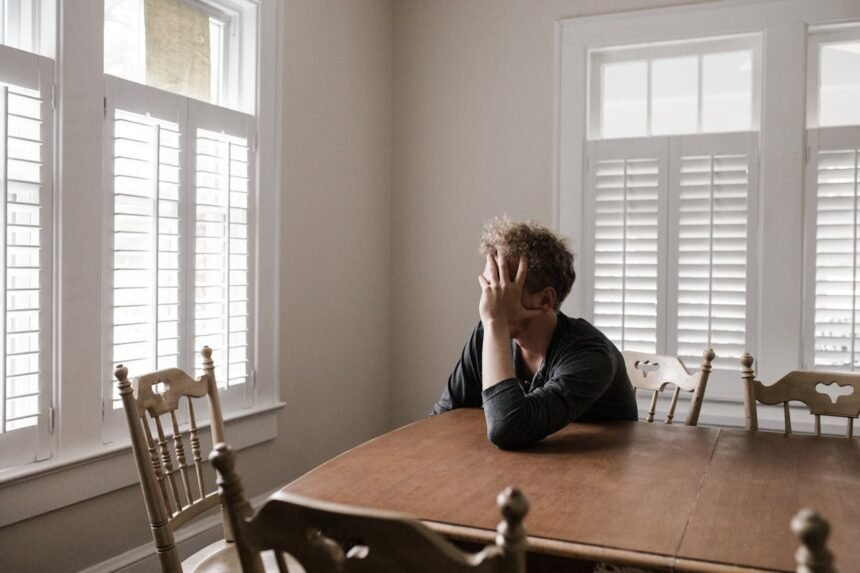
Anxiety affects millions of people worldwide, creating a constant state of worry, fear, and unease that can significantly impact daily life. Whether you’re experiencing occasional anxious thoughts or dealing with a diagnosed anxiety disorder, understanding effective coping strategies is crucial for reclaiming control over your mental wellbeing. This comprehensive guide explores evidence-based techniques that can help you manage anxiety symptoms and improve your quality of life.
Understanding Anxiety and Its Impact
Anxiety is more than just feeling stressed or worried—it’s a complex mental health condition that can manifest through physical symptoms, intrusive thoughts, and behavioural changes. Common signs include rapid heartbeat, sweating, restlessness, difficulty concentrating, and persistent worry about future events. Recognising these symptoms is the first step towards developing effective coping mechanisms.nhs
The good news is that anxiety is highly treatable through various approaches, from lifestyle modifications to professional therapy. Research consistently shows that combining multiple strategies often yields the best results, allowing individuals to build a comprehensive toolkit for managing their symptoms.medicalnewstoday
Mindfulness and Meditation Techniques
Mindfulness-Based Approaches
Mindfulness meditation has emerged as one of the most effective strategies for anxiety management. This practice involves maintaining moment-to-moment awareness of thoughts, feelings, and surroundings without judgement. Research demonstrates that even 10 minutes of daily mindfulness practice can help reduce ruminative thought patterns and improve focus.mindful
Mindfulness-Based Stress Reduction (MBSR) programmes, developed over 40 years ago, have shown remarkable success in treating anxiety disorders. Studies published in the American Journal of Psychiatry found that MBSR can effectively reduce symptoms of anxiety and panic, even in individuals with generalised anxiety disorder.mindful
Progressive Muscle Relaxation
This technique involves systematically tensing and relaxing different muscle groups throughout the body. To practice progressive muscle relaxation, find a quiet space, close your eyes, and slowly tense each muscle group from your toes to your head for three seconds before releasing quickly. This method helps reduce physical tension that often accompanies anxious thoughts.beyondblue
Breathing Exercises for Immediate Relief
Deep Breathing Techniques
When anxiety strikes, your breathing often becomes shallow and rapid. Implementing proper breathing exercises can activate the body’s relaxation response and provide immediate relief. One effective technique is lengthening your exhale—try inhaling for four seconds, then exhaling for six seconds.healthline
Box Breathing Method
Box breathing, also known as four-square breathing, involves inhaling for a count of four, holding your breath for four, exhaling for four, and holding again for four. This technique helps slow down your heart rate and signals your brain to relax, making it particularly useful during panic episodes.rethink
The NHS recommends breathing exercises as a first-line approach for managing stress and anxiety symptoms. These techniques are free, accessible anywhere, and can be practised without any special equipment or training.nhs
Physical Exercise and Movement
The Science Behind Exercise and Anxiety
Regular physical activity is one of the most powerful tools for combating anxiety. Exercise works on multiple levels to reduce anxious feelings. When you engage in physical activity, it diverts attention from anxious thoughts while decreasing muscle tension throughout the body.harvard
More importantly, exercise changes brain chemistry by increasing the availability of anti-anxiety neurochemicals, including serotonin, GABA, and endorphins. Harvard Health research indicates that exercise activates frontal brain regions responsible for executive function, helping control the amygdala—our brain’s threat detection system.harvard
Types of Exercise for Anxiety
Studies show that various forms of physical activity can be beneficial, from tai chi to high-intensity interval training. The key is choosing activities you enjoy and can maintain consistently. Consider:harvard
- Cardiovascular exercises like brisk walking, cycling, or swimming
- Strength training to build physical and mental resilience
- Yoga which combines movement with mindfulness
- Dance for its dual benefits of exercise and creative expression
Research suggests that exercising in nature or green spaces provides additional stress-reduction benefits.harvard
Dietary Strategies for Anxiety Management
Nutrition’s Role in Mental Health
What you eat significantly impacts your anxiety levels. Research published in peer-reviewed journals demonstrates clear associations between dietary patterns and anxiety symptoms. A comprehensive review found that “healthy” diet patterns, Mediterranean diets, and anti-inflammatory eating approaches were associated with lower anxiety severity.pmc.ncbi.nlm.nih
Foods That Support Mental Wellbeing
Harvard Health identifies specific foods that can help reduce anxiety:harvard
- Magnesium-rich foods such as leafy greens, nuts, seeds, and whole grains help promote calmness
- Zinc-containing foods like oysters, cashews, and egg yolks have been linked to reduced anxiety
- Omega-3 fatty acids found in wild salmon and other fatty fish support brain health
- Probiotic foods including sauerkraut, kefir, and pickles may help reduce social anxiety
- B-vitamin rich foods such as avocados and almonds support neurotransmitter production
Foods and Substances to Limit
The Mayo Clinic emphasises avoiding certain substances that can worsen anxiety:mayoclinichealthsystem
- Alcohol and recreational drugs
- Excessive caffeine intake
- Processed foods high in sugar and unhealthy fats
- Irregular eating patterns that cause blood sugar fluctuations
Cognitive Behavioural Techniques
Understanding CBT for Anxiety
Cognitive Behavioural Therapy (CBT) is considered the gold standard for anxiety treatment. This approach focuses on identifying and challenging negative thought patterns that contribute to anxious feelings. CBT operates on the principle that our thoughts—not external events—primarily influence how we feel.nyctherapy+1
Self-Help CBT Techniques
You can apply CBT principles independently by:
- Thought challenging: When experiencing anxiety, ask yourself whether your thoughts are realistic or if you’re catastrophising
- Behavioural experiments: Gradually exposing yourself to feared situations in small, manageable steps
- Cognitive restructuring: Replacing irrational thoughts with more balanced perspectivesrethink
The effectiveness of CBT is well-documented, with many people showing significant improvement within 8 to 10 therapy sessions.helpguide
Professional Support and Treatment Options
When to Seek Professional Help
While self-help strategies are valuable, professional support becomes essential when anxiety significantly interferes with daily functioning. Warning signs that indicate the need for professional intervention include:medicalnewstoday
- Persistent anxiety lasting several weeks
- Panic attacks that feel uncontrollable
- Avoidance of normal activities due to fear
- Physical symptoms affecting your health
- Difficulty maintaining relationships or work performance
Types of Professional Treatment
Mental health professionals offer various evidence-based treatments:nyctherapy
- Cognitive Behavioural Therapy (CBT) for identifying and changing thought patterns
- Exposure therapy for gradually confronting feared situations
- Eye Movement Desensitisation and Reprocessing (EMDR) for trauma-related anxiety
- Medication management when appropriate, including SSRIs and anti-anxiety medications
Building Long-Term Resilience
Lifestyle Modifications
Creating sustainable lifestyle changes forms the foundation of long-term anxiety management. Key areas to focus on include:mayoclinichealthsystem
Sleep Hygiene: Prioritising quality sleep is crucial for managing anxiety. Poor sleep can exacerbate anxious symptoms, whilst adequate rest provides the energy needed to cope with stressful situations.mayoclinichealthsystem
Social Support: Don’t let anxiety isolate you from loved ones. Maintaining social connections provides emotional support and helps put worries into perspective.mayoclinichealthsystem
Stress Management: Develop a toolkit of stress-reduction techniques including visualisation, meditation, and yoga. Regular practice of these methods builds resilience against future anxiety episodes.mayoclinichealthsystem
Frequently Asked Questions
Q: How quickly can I expect to see results from anxiety coping strategies?
A: Results vary depending on the individual and techniques used. Some strategies like breathing exercises can provide immediate relief during anxiety episodes, whilst others like regular exercise or therapy may take several weeks to show significant benefits. Consistency is key for long-term improvement.
Q: Can I overcome anxiety without medication?
A: Many people successfully manage anxiety through lifestyle changes, therapy, and self-help strategies alone. However, for severe anxiety disorders, medication prescribed by a healthcare professional may be beneficial as part of a comprehensive treatment plan.medicalnewstoday
Q: Is it normal to feel worse initially when trying new anxiety strategies?
A: Some people may experience temporary increases in anxiety when first implementing certain techniques, particularly exposure-based strategies. This is often normal, but it’s important to work with a mental health professional if you’re concerned about worsening symptoms.
Q: How do I know which anxiety coping strategies will work best for me?
A: The most effective approach often involves trying various strategies to see what resonates with your lifestyle and preferences. Consider keeping a journal to track which techniques provide the most relief for your specific symptoms.beyondblue
Q: Can diet alone cure anxiety?
A: While nutrition plays an important role in mental health, dietary changes alone are unlikely to cure anxiety disorders. However, maintaining a balanced diet rich in anxiety-reducing nutrients can significantly support other treatment approaches.harvard
Taking the First Step Forward
Managing anxiety is a journey that requires patience, self-compassion, and often professional guidance. The strategies outlined in this guide provide evidence-based approaches that have helped countless individuals reclaim control over their mental wellbeing. Remember that seeking help is a sign of strength, not weakness, and that effective anxiety management is entirely achievable with the right tools and support.
Start by implementing one or two techniques that feel most accessible to you, such as daily breathing exercises or regular physical activity. As these become habits, gradually introduce additional strategies to build a comprehensive anxiety management toolkit. With consistency and commitment, you can develop the skills needed to cope effectively with anxiety and live a fuller, more confident life.
The path to better mental health begins with a single step—and that step starts today. Whether through mindfulness practices, lifestyle modifications, or professional support, effective anxiety management is within your reach.
- https://www.nhs.uk/mental-health/feelings-symptoms-behaviours/feelings-and-symptoms/anxiety-fear-panic/
- https://www.medicalnewstoday.com/articles/322396
- https://www.mindful.org/mindfulness-meditation-anxiety/
- https://www.beyondblue.org.au/mental-health/anxiety/treatments-for-anxiety/anxiety-management-strategies
- https://www.healthline.com/health/breathing-exercises-for-anxiety
- https://www.rethink.org/news-and-stories/news-and-views/2024/10-tips-to-manage-anxiety-and-stress/
- https://www.nhs.uk/mental-health/self-help/guides-tools-and-activities/breathing-exercises-for-stress/
- https://www.health.harvard.edu/blog/can-exercise-help-treat-anxiety-2019102418096
- https://pmc.ncbi.nlm.nih.gov/articles/PMC8706568/
- https://www.health.harvard.edu/blog/nutritional-strategies-to-ease-anxiety-201604139441
- https://www.mayoclinichealthsystem.org/hometown-health/speaking-of-health/11-tips-for-coping-with-an-anxiety-disorder
- https://nyctherapy.com/therapists-nyc-blog/dont-worry-be-happy-how-therapy-can-help-relieve-anxiety/
- https://www.helpguide.org/mental-health/treatment/therapy-for-anxiety-disorders
- https://www.mind.org.uk/information-support/types-of-mental-health-problems/anxiety-and-panic-attacks/self-care/
- https://www.betterhealth.vic.gov.au/health/conditionsandtreatments/anxiety-treatment-options
- https://www.helpguide.org/mental-health/anxiety/tips-for-dealing-with-anxiety
- https://www.medanta.org/patient-education-blog/what-are-the-best-ways-to-manage-anxiety-disorder-and-stress
- https://www.nhs.uk/mental-health/self-help/tips-and-support/mindfulness/
- https://www.mayoclinic.org/diseases-conditions/depression/in-depth/depression-and-exercise/art-20046495
- https://www.eatingdisorderhope.com/treatment-for-eating-disorders/international/india