Tacos are a staple of modern comfort food, offering a versatile canvas for proteins, vegetables, and spices. However, home cooks often find that their homemade Mexican dishes lack the distinct ‘finish’ found in restaurant-quality cuisine. Often, the missing element is not the seasoning on the meat, but the sauce that binds the components together.
While traditional guacamole provides texture, an avocado crema recipe for tacos offers a smoother, tangier, and more drizzle-friendly alternative. This sauce bridges the gap between the richness of ripe avocados and the cooling acidity of cultured dairy.
From a nutritional perspective, this crema is more than just a condiment; it is a vehicle for essential monounsaturated fats and fat-soluble vitamins. Understanding the composition and preparation of this sauce can elevate your dietary management of healthy fats while significantly improving the sensory experience of your meal.
This article provides an exhaustive guide to preparing the perfect avocado crema, the science behind its ingredients, and how to manage its shelf life.
Overview
Avocado crema is a smooth emulsion typically consisting of avocado, a cultured dairy product (like Greek yoghurt or sour cream), citrus juice, and aromatics such as garlic and coriander. Unlike guacamole, which is traditionally mashed and chunky, crema is blended to a silky consistency similar to a thick double cream.
This sauce serves a functional role in spicy cuisine. The compound capsaicin, responsible for the heat in chillies, is hydrophobic (repelled by water) but soluble in fats and alcohol. The dairy and avocado fats in the crema bind with capsaicin, effectively neutralising the burning sensation on the palate.
Furthermore, the inclusion of avocado provides a significant boost of potassium and fibre. According to Healthline, avocados are incredibly nutritious and loaded with heart-healthy monounsaturated fatty acids.
Symptoms of a Dry Dish and Causes of Flavour Imbalance
When constructing tacos or Mexican bowls, you may encounter specific culinary ‘symptoms’ that indicate the meal is incomplete. Recognising these signs is the first step toward rectifying the dish.
The Symptoms
Texture Disconnect: If your taco fillings fall apart or feel dry in the mouth, the dish lacks a binding agent. Lean meats, such as grilled chicken breast or white fish, often lack the requisite moisture to carry spices effectively across the palate.
Lack of Acidic Brightness: A dish that feels ‘heavy’ or overly salty usually suffers from a lack of acidity. Without an acidic counterpoint, rich fillings like carnitas or barbacoa can become monotonous after a few bites.
Heat Intolerance: If the spice level of your salsa overwhelms the flavour of the ingredients, it indicates an absence of cooling agents to mitigate the spice.
The Causes
The root cause of these culinary issues often lies in the science of flavour transmission and moisture retention.
Lipid Deficiency: Flavour compounds in herbs and spices are often lipophilic, meaning they dissolve in fat. Without a sauce high in healthy fats, your taste buds cannot access the full spectrum of spices used in the cooking process. The British Heart Foundation explains that while we should monitor fat intake, unsaturated fats are essential for absorbing vitamins and providing energy.
Oxidation Risks: A common cause for avoiding avocado dishes is the rapid browning, or oxidation, of the fruit. This is caused by an enzyme called polyphenol oxidase. When exposed to oxygen, this enzyme reacts to produce brown pigments. A poorly formulated crema that lacks sufficient antioxidants (vitamin C from limes) will degrade visually and flavour-wise very quickly.
Improper Emulsification: Using water instead of a protein-rich liquid or oil to thin your sauce can cause the mixture to separate, leading to a watery plate rather than a cohesive meal.
Treatment and Management: The Avocado Crema Protocol
The most effective ‘treatment’ for dry, unbalanced tacos is the application of a scientifically balanced avocado crema recipe for tacos. This protocol ensures optimal texture, nutrient density, and flavour stability.
Ingredients
To manage both flavour and nutrition, select high-quality ingredients. Precision is key for consistency.
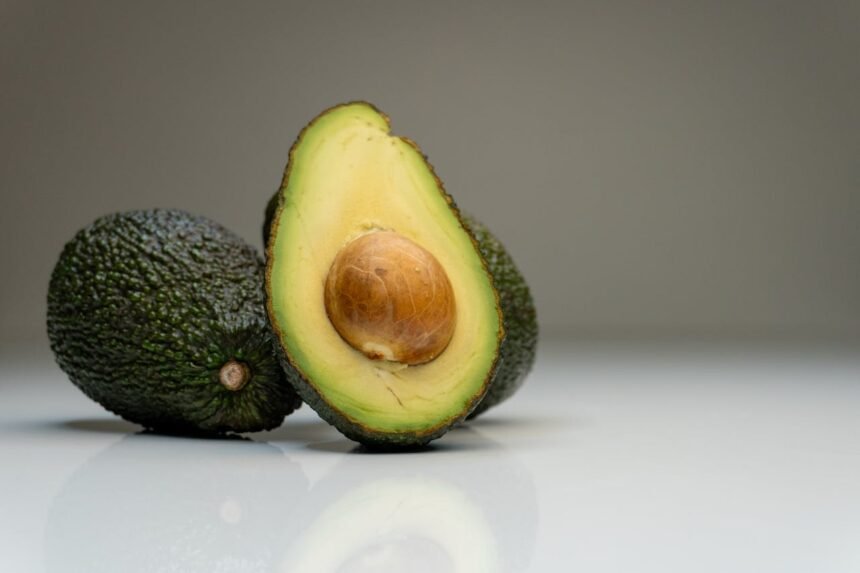
- 2 Ripe Avocados: Look for fruit that yields slightly to gentle pressure. Dark skin usually indicates ripeness in Hass varieties.
- 120ml (1/2 cup) Greek Yoghurt or Sour Cream: Greek yoghurt offers higher protein and probiotics, while sour cream offers a traditional rich flavour. Medical News Today highlights that Greek yoghurt is an excellent source of calcium and probiotics which aid digestion.
- 60ml (1/4 cup) Fresh Lime Juice: Approximately 2 to 3 limes. Bottled juice lacks the essential volatile oils found in fresh zest and juice.
- 15g (1/4 cup) Fresh Coriander (Cilantro): Use both leaves and tender stems for maximum flavour.
- 2 Cloves Garlic: Fresh is superior to powder for the sharp allicin punch.
- 1/2 Teaspoon Cumin: For earthiness.
- 1/2 Teaspoon Sea Salt: Adjust to taste.
- 30-60ml (2-4 tbsp) Water or Olive Oil: For adjusting consistency.
The Method
Step 1: Preparation
Remove the skin and pit from the avocados. Rough chop the coriander and peel the garlic. Ensuring your ingredients are prepped prevents the avocado from sitting exposed to air for too long.
Step 2: Blending
Place the avocado, yoghurt, lime juice, garlic, coriander, cumin, and salt into a food processor or high-speed blender. Pulse initially to break down the large chunks.
Step 3: Emulsification
Turn the blender to a medium-high setting. Slowly stream in the water or olive oil one tablespoon at a time. Continue blending until the mixture is completely smooth and pale green. This mechanical action creates a stable emulsion where the fats and liquids serve as a creamy suspension.
Step 4: Adjustment
Taste the crema. If it tastes ‘flat’, add more salt. If it feels too rich, add a splash more lime juice. The acidity of the lime denatures the proteins slightly and prevents the oxidation of the avocado.
Dietary Modifications
Dairy-Free / Vegan Management:
For those managing lactose intolerance or following a vegan lifestyle, replace the dairy yoghurt with an unsweetened coconut yoghurt or a cashew-based cream. The Vegan Society notes that plant-based alternatives can be just as creamy if they have a sufficient fat content.
Low-Sodium Options:
If you are managing hypertension, omit the added salt and increase the lime juice and coriander. The citric acid can trick the palate into perceiving the food as seasoned.
Tips for Storage and Usage
Managing the shelf-life of your crema is distinct from managing guacamole due to the dairy content.
Storage Protocol:
Store the crema in an airtight container. To prevent the surface from browning, place a piece of cling film directly onto the surface of the sauce before sealing the lid. This eliminates the air pocket where oxidation occurs. According to Love Food Hate Waste, proper storage of fresh produce and sauces significantly reduces household food waste.
Shelf Life:
Consumed within 3 days is best. The lime juice acts as a preservative, but the dairy will eventually spoil. Always check for off-smells before serving leftovers.
Ripening Avocados:
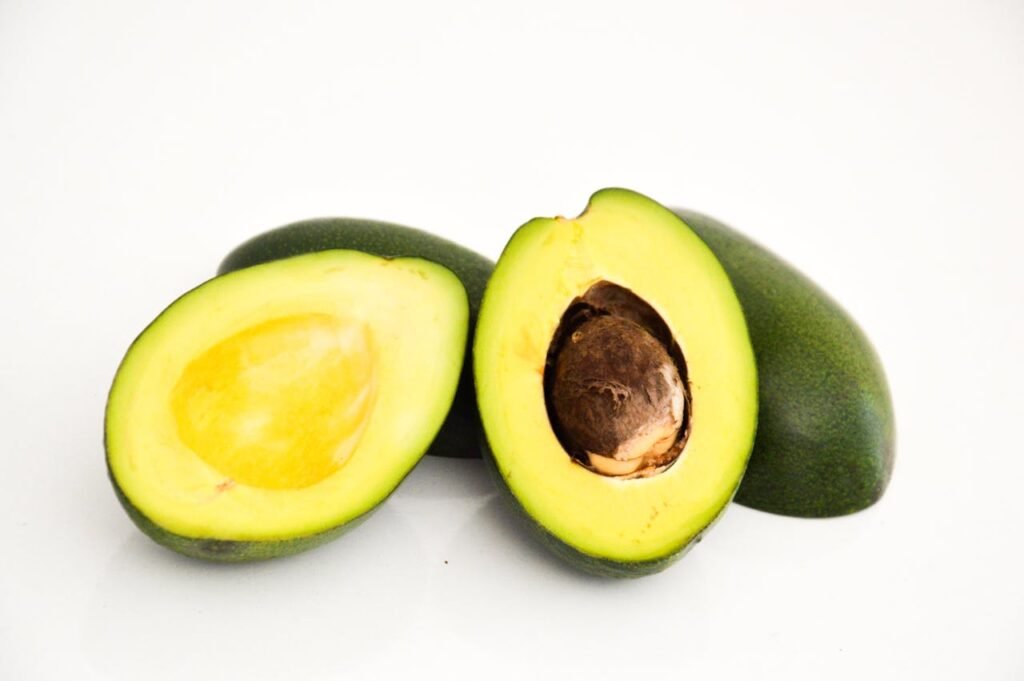
If your avocados are hard, place them in a brown paper bag with a banana. The banana releases ethylene gas, a plant hormone that accelerates ripening. This is a standard botanical phenomenon verified by sources like the Harvard T.H. Chan School of Public Health.
Serving Suggestions:
Beyond tacos, this crema serves as an excellent dressing for grain bowls or a dip for crudités. It can also be used as a healthier substitute for mayonnaise in sandwiches.
The Bottom Line
A proper avocado crema recipe for tacos is more than just a topping; it is a culinary tool that balances heat, adds essential moisture, and contributes valuable nutrients to your meal.
By combining the healthy monounsaturated fats of avocado with the probiotics of Greek yoghurt, you create a sauce that supports satiety and gut health. The acidity from the lime juice aids in the absorption of iron from plant-based taco fillings, making this a functional addition to vegetarian diets.
Whether you are looking to cool down a spicy salsa or simply add a luxurious texture to your Tuesday night dinner, mastering this emulsion is a critical skill for the home cook. Ensure you choose ripe produce and store your creation correctly to enjoy the full spectrum of flavours this sauce provides.
Additional Resources:
- For more on nutrient absorption, visit PubMed Central.
- Understand your daily nutritional requirements at Nutrition.org.uk.
- Explore safety guidelines for fresh produce at the FDA.
- Get inspired for Mexican cuisine at BBC Good Food.