Receiving lab results can sometimes be confusing, especially when a specific marker falls slightly outside the standard reference bounds. If your recent blood work shows elevated numbers, you are likely wondering, what does a creatinine level of 1.4 mean?
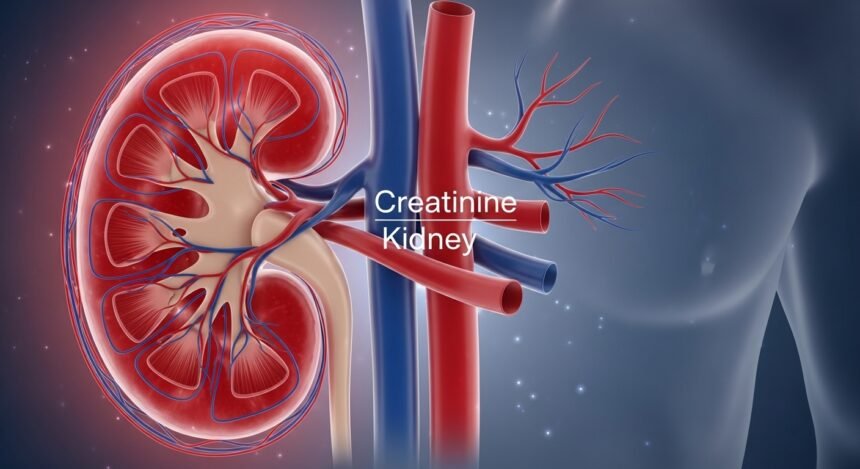
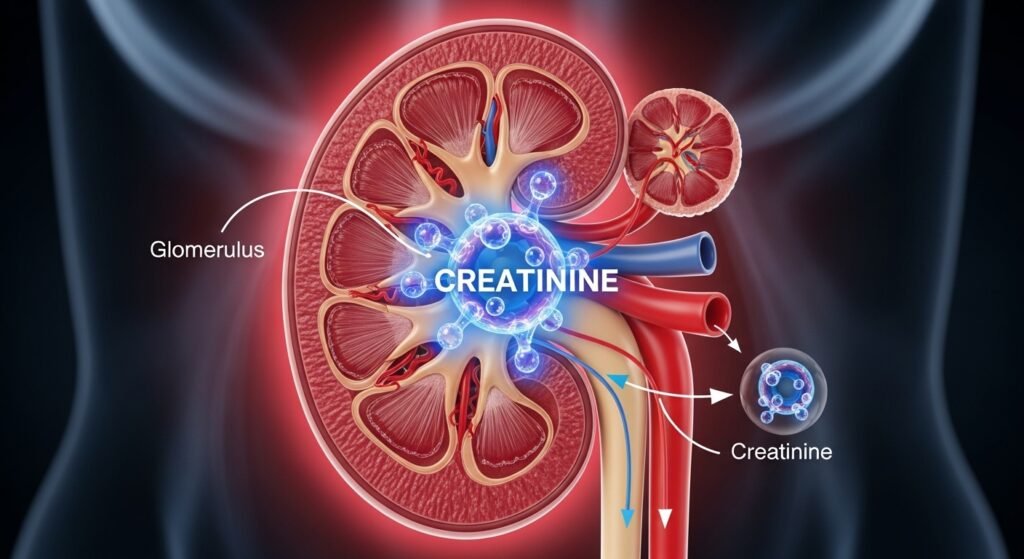
Creatinine is a natural chemical waste product generated by everyday muscle usage and wear. In a healthy body, the kidneys filter this waste out of the bloodstream and expel it through urine. When kidney function is compromised, or when certain lifestyle factors are at play, creatinine can build up in the blood. Understanding the basics of kidney function is the first step in interpreting these results. For a comprehensive overview of how this waste product is measured, you can review the Mayo Clinic’s guide on creatinine blood tests.
Is 1.4 mg/dL Normal?
Generally, the standard range for creatinine is roughly 0.7 to 1.3 mg/dL for men and 0.6 to 1.1 mg/dL for women. Therefore, evaluating the creatinine 1.4 mg/dL normal range requires a bit of personal context. Because women typically have less muscle tissue than men, a common question asked in clinical settings is, is creatinine 1.4 dangerous for a woman?
While a 1.4 level in a muscular man might just barely exceed the normal limit, the same level in a woman is often considered more significantly elevated. It warrants a closer look by a healthcare provider to rule out underlying issues. You can learn more about standard lab parameters from MedlinePlus or check out our guide on decoding your blood test results. Furthermore, the National Institute of Diabetes and Digestive and Kidney Diseases offers excellent resources on baseline kidney health.
What Are the Common Causes?
When evaluating the causes of slightly elevated creatinine 1.4, doctors look at several biological and lifestyle factors. It is not always an immediate sign of kidney failure; sometimes, temporary variables are to blame.
Dehydration
A very common inquiry is, can dehydration cause creatinine 1.4? Yes, it certainly can. A lack of adequate fluids concentrates the waste products in your blood, temporarily spiking your numbers. Studies published by the National Center for Biotechnology Information emphasize the link between fluid intake and kidney markers. Always be aware of the warning signs of dehydration.
Diet and Protein Intake
The relationship between a high protein diet and creatinine 1.4 is well-documented. Consuming large amounts of cooked red meat can artificially inflate your test results, as muscle meat contains naturally occurring creatine. Harvard Medical School notes that excessive protein can put a heavier filtering burden on the kidneys.
Muscle Mass and Supplements
Patients frequently ask, does muscle mass affect creatinine 1.4? Absolutely. Because creatinine is a byproduct of muscle metabolism, athletes and bodybuilders naturally produce more of it. The National Institutes of Health provides extensive data on muscle mass physiology. Additionally, taking fitness supplements can skew results. As noted by WebMD, synthetic creatine powders directly increase blood creatinine levels. If you use these products, it is important to understand creatine side effects.
Kidney Function and eGFR
To get a complete and accurate picture of your renal health, your doctor will use the creatinine 1.4 and eGFR calculation. The Estimated Glomerular Filtration Rate (eGFR) is a mathematical formula that factors in your age, gender, and blood creatinine to determine exactly how well your kidneys are filtering waste. The National Kidney Foundation explains that a normal eGFR is typically 90 or above. You can also use our comprehensive eGFR calculator guide for more context.
If your eGFR drops below 60 for more than three months, it may indicate chronic kidney disease (CKD). Patients naturally worry about the creatinine 1.4 kidney disease stage. Depending on your specific eGFR, a 1.4 could place you in Stage 2 (mild loss of function) or early Stage 3a. The American Kidney Fund outlines these stages in detail, and you can read our tips on managing CKD stage 2.
It is also worth noting that seeing creatinine 1.4 in older adults is relatively common. Kidney function naturally declines as we age, a fact highlighted by the Centers for Disease Control and Prevention. We offer specialized advice on senior health and kidney function for those navigating these age-related changes.
Identifying the Symptoms
In many cases, mildly elevated creatinine produces no noticeable physical signs. However, the symptoms of creatinine level 1.4 might manifest if the underlying cause is early kidney impairment. According to Johns Hopkins Medicine, you should watch out for the following:
- Unexplained fatigue or lethargy
- Swelling (edema) in the feet, ankles, or around the eyes
- Changes in urination frequency, especially at night
- Elevated blood pressure, which you can read about in our hypertension and kidneys guide
- Foamy or bubbly urine, which may require understanding proteinuria
How to Manage Your Levels
If you are researching how to lower creatinine 1.4 naturally, lifestyle modifications are your best starting point. While you cannot “cure” kidney disease, you can reduce the workload on your renal system. We highly recommend exploring natural remedies for kidney health.
Dietary Adjustments
A solid diet plan for creatinine level 1.4 focuses on reducing sodium, managing protein intake, and eating whole foods. The Renal Support Network offers excellent dietary strategies. Consider crafting a kidney-friendly diet that limits red meat consumption. You can easily substitute heavy meats with our delicious low-protein recipes.
Hydration and Blood Sugar
Staying adequately hydrated helps your kidneys flush out toxins. The World Health Organization provides baseline hydration guidelines, and you can follow our daily hydration tips for adults. Additionally, managing your blood sugar is vital, as diabetes is a leading cause of kidney stress. Learn more about this connection through our diabetes kidney care resources.
Medical Interventions
When it comes to clinical care, creatinine 1.4 treatment options usually focus on managing the underlying conditions—like prescribing blood pressure medications or adjusting diabetes treatments—rather than targeting the creatinine number directly. Your doctor might also order a 24-hour urine collection test, which the Cleveland Clinic explains is a more precise measure of kidney clearance.
When to Consult a Doctor
Knowing when to worry about creatinine 1.4 is crucial for proactive health management. If your levels remain consistently elevated across multiple blood tests, or if you begin experiencing severe swelling, shortness of breath, or nausea, it is time to seek specialist care. Organizations like the Urology Care Foundation recommend consulting a nephrologist for persistent renal issues. To prepare for your appointment, check out our nephrologist consultation guide.
Ultimately, a creatinine score of 1.4 is a gentle warning from your body. By understanding the root causes, monitoring your eGFR, and making targeted lifestyle changes, you can effectively protect and preserve your kidney health for years to come.