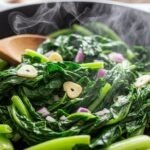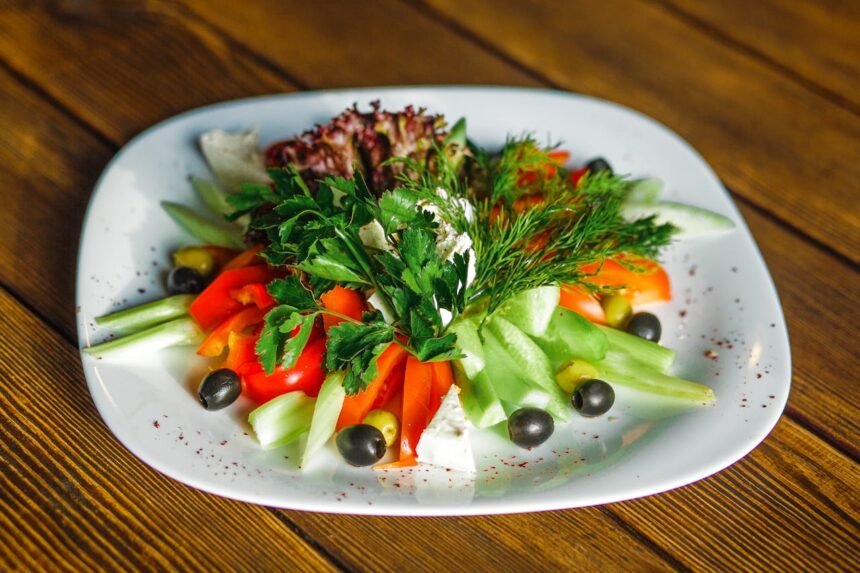
Mustard greens are frequently overlooked in the produce aisle, often overshadowed by their more popular cousins, kale and spinach. However, these vibrant, peppery leaves—known scientifically as Brassica juncea—are a nutritional powerhouse belonging to the brassica family, which also includes broccoli, cauliflower, and Brussels sprouts.
For those seeking to diversify their intake of leafy greens, mustard greens offer a distinct flavour profile that ranges from spicy and pungent when raw to mellow and savoury when cooked. Incorporating them into your diet can significantly boost your intake of vitamins K, A, and C, as well as essential minerals and antioxidants.
While traditional preparation often involves long braising times with smoked meats, modern culinary techniques allow for a variety of mustard green recipes that preserve their texture and nutritional integrity. Whether you are a seasoned chef or a home cook looking to experiment, these versatile greens can elevate breakfast, lunch, and dinner.
This article explores the nutritional benefits of mustard greens, proper preparation techniques, and creative ways to incorporate them into your daily meal rotation.
Nutritional Profile: Why Choose Mustard Greens?
Before diving into the kitchen, it is essential to understand why these greens are worth the effort. Mustard greens are low in calories but dense in micronutrients. They are particularly rich in antioxidants, which help protect your cells from stress and damage.
One of the standout features of mustard greens is their glucosinolate content. These sulphur-containing compounds are what give the greens their bitter, spicy kick. Research suggests that glucosinolates may have protective properties against certain types of chronic diseases.
Key Nutrients at a Glance
Here is how mustard greens compare to other leafy vegetables per 100g (raw):
| Nutrient | Mustard Greens | Spinach | Kale |
|---|---|---|---|
| Vitamin K | 257% DV | 482% DV | 400% DV |
| Vitamin A | 33% DV | 52% DV | 20% DV |
| Vitamin C | 39% DV | 34% DV | 134% DV |
| Fibre | 3.2g | 2.2g | 4.1g |
| Calcium | 115mg | 99mg | 254mg |
DV = Daily Value. Source: USDA FoodData Central
Moreover, the high fibre content supports digestive health and can aid in maintaining stable blood sugar levels. For those on a plant-based diet, they are an excellent source of calcium and iron, though consuming them with a source of Vitamin C (like lemon juice) helps maximise iron absorption.
According to Healthline, incorporating a variety of cruciferous vegetables is key to a balanced, anti-inflammatory diet.
Understanding the Flavour Profile
To successfully use mustard greens, one must respect their bold nature. Raw mustard greens contain an enzyme called myrosinase. When you chew or chop the leaves, this enzyme interacts with glucosinolates to produce allyl isothiocyanate—the same compound found in wasabi and horseradish. This creates the signature nasal-clearing heat.
However, heat deactivates myrosinase. This means that cooking mustard greens, even briefly, significantly mellows their spice level, transforming the flavour into something deep, earthy, and only slightly bitter. This versatility allows them to serve as both a spicy salad green and a comforting cooked side dish.
Creative Ways to Eat Mustard Greens
If you are stuck in a rut and searching for unique mustard green recipes, consider moving beyond the standard boiling pot. Here are several creative methods to introduce these greens into your daily regime.
1. The Peppery Pesto Twist
Traditional pesto relies heavily on basil, pine nuts, and parmesan. While delicious, it can sometimes feel one-note. substituting half (or all) of the basil with raw mustard greens adds a complex, spicy depth that pairs exceptionally well with robust pasta shapes or grilled meats.
To make this, blanch the greens for 30 seconds to set the bright green colour and reduce the bitterness slightly, then shock them in ice water. Squeeze out the excess moisture before blending with garlic, walnuts (a cheaper alternative to pine nuts), olive oil, and nutritional yeast or parmesan. The result is a vibrant, zesty sauce that brings a nutritional boost to simple carbohydrate dishes.
2. Massaged Raw Salads
Raw mustard greens can be tough and fibrous. Similar to kale, they benefit greatly from “massaging.” This technique involves drizzling the chopped leaves with a little olive oil and salt, then scrunching them with your clean hands for 2–3 minutes.
This mechanical action breaks down the cellulose structure, making the leaves tender and easier to digest. It also darkens the leaves and reduces their volume. Pair these massaged greens with sweet elements to counteract the spice—think sliced apples, dried cranberries, or a honey-mustard vinaigrette. The NHS recommends varying your 5-a-day, and this is a texture-rich way to do so.
3. Green Smoothies with a Kick
Smoothies are a classic vehicle for leafy greens, but most people stick to spinach because it is tasteless when blended. Mustard greens offer a different benefit: they add a subtle warmth that pairs surprisingly well with tropical fruits.
Try blending a handful of mustard greens with pineapple, mango, and coconut water. The sweetness of the fruit masks the bitterness, while the ginger-like heat of the greens complements the tropical profile. This is an excellent way to consume the greens raw, preserving the heat-sensitive Vitamin C and enzymes.
4. Pickled Mustard Greens (Gai Choy)
In many East Asian cuisines, particularly in China and Vietnam, mustard greens are fermented or pickled. This process, known as lacto-fermentation, not only preserves the vegetable but also introduces beneficial probiotics which support gut health.
You can make a quick pickle at home by chopping the stems and leaves, salting them heavily to draw out moisture, and then submerging them in a brine of rice vinegar, sugar, and water. Let them sit in the fridge for a few days. The result is a crunchy, tangy, sour condiment that cuts through the richness of pork dishes or noodle soups. Fermented foods are increasingly recognised for their role in microbiome diversity, as noted by Harvard Health.
5. Stir-Fries and Sautés
Because they are robust, mustard greens hold up well to high heat. They are a staple in stir-fries where they provide a crunchy texture that spinach cannot offer.
Heat a wok with sesame oil, garlic, and ginger. Toss in the chopped mustard green stems first (as they take longer to cook), followed by the leaves. A splash of soy sauce or oyster sauce balances the bitterness with umami. This method retains the vibrant green colour and ensures you are not boiling away water-soluble vitamins like Vitamin B and C. Research from the National Institutes of Health highlights the importance of gentle cooking methods to preserve these unstable nutrients.
6. The “Saag” Alternative
Saag is a classic South Asian dish typically made with spinach or mustard leaves (Sarson ka Saag). It involves cooking the greens down with spices until they form a creamy, spiced puree.
Using mustard greens creates a more authentic, earthy flavour profile than spinach alone. Cook the greens with onions, tomatoes, cumin, turmeric, and chillies. Blend roughly with a hand blender and finish with a splash of cream or coconut milk. This transforms a huge volume of greens into a manageable, nutrient-dense side dish that is perfect for dipping breads like naan or roti.
7. Mustard Green Chips
Kale chips had their moment in the spotlight; now it is time for mustard green chips. Because the leaves are thinner and more delicate than kale, they crisp up faster and offer a naturally spicy seasoning without needing much added chilli powder.
Wash and thoroughly dry the leaves (moisture is the enemy of crispiness). Toss lightly in olive oil and bake at a low temperature (around 150°C) for 10–15 minutes. Keep a close eye on them as they burn easily. These make for a low-calorie, high-fibre snack that satisfies the craving for something crunchy.

Practical Preparation Tips
To get the most out of your mustard green recipes, proper handling is crucial.
- Washing: Like leeks, mustard greens can trap grit and sandy soil in their crevices. Do not just rinse them under the tap. Submerge them in a large bowl of cold water, swish them around, and let the grit settle to the bottom. Lift the greens out and repeat until the water is clear.
- Storage: Wrap unwashed greens in paper towels and store them in a perforated plastic bag in the vegetable crisper of your fridge. They should last for 3 to 4 days.
- The Stem Dilemma: The stems are edible but tough. If you are cooking quickly (like a sauté), chop the stems finely and start cooking them 2 minutes before the leaves. If eating raw, remove the stems entirely and save them for stocks or stir-fries.
Potential Downsides and Considerations
While highly nutritious, mustard greens contain Vitamin K, which plays a critical role in blood clotting. Individuals taking blood thinners such as warfarin should maintain a consistent intake of Vitamin K and consult their GP before drastically increasing their consumption of green leafy vegetables. The Mayo Clinic advises consistency rather than avoidance for most patients.
Additionally, like spinach, mustard greens contain oxalates, which can contribute to kidney stones in susceptible individuals. However, cooking the greens and discarding the cooking water can help reduce oxalate levels.
The Bottom Line
Mustard greens are an underutilised vegetable that can bring new life to your culinary repertoire. They offer a unique combination of spicy flavour and impressive nutritional benefits, including high levels of antioxidants, fibre, and vitamins.
Whether you choose to blend them into a morning smoothie, massage them into a raw salad, or braise them in a traditional curry, there are countless mustard green recipes to suit your palate. By experimenting with these preparation methods, you can enjoy the health benefits of cruciferous vegetables without sacrificing flavour.
Start small—perhaps by mixing them into your usual salad greens—and gradually work your way up to making them the star of the plate. Your body (and your taste buds) will thank you.
authoritative External Resources
- Cleveland Clinic: The Benefits of Cruciferous Vegetables
- Medical News Today: Everything you need to know about Mustard Greens
- PubMed: Glucosinolates and Human Health
- American Heart Association: Fruits and Vegetables Serving Sizes
- WebMD: Health Benefits of Mustard Greens
- Harvard T.H. Chan School of Public Health: The Nutrition Source – Vegetables
- BBC Good Food: Top 20 Healthiest Vegetables
- Arthritis Foundation: Best Vegetables for Arthritis