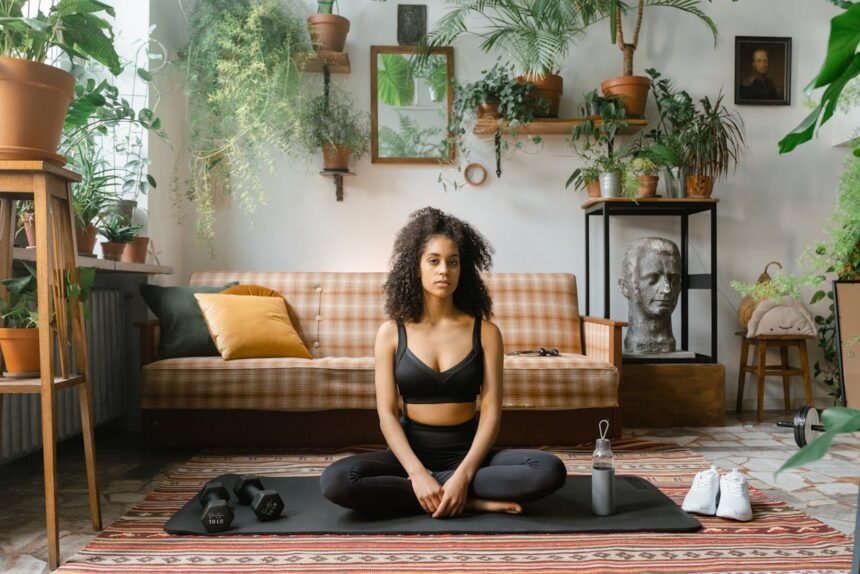
In our hyper-connected, always-on society, obtaining quality rest has become a significant challenge for many. The glow of screens and the stress of daily demands often keep our sympathetic nervous system—the “fight or flight” response—active well past bedtime. This state of hyperarousal is a primary antagonist to a good night’s rest. However, integrating evening yoga for sleep into your nightly routine offers a scientifically backed method to downregulate the nervous system and prepare the body for deep restoration.
According to the National Heart, Lung, and Blood Institute, sleep deficiency is linked to many chronic health problems, including heart disease, kidney disease, high blood pressure, diabetes, stroke, obesity, and depression. Fortunately, the ancient practice of yoga provides accessible tools to combat these modern ailments.
The Science: How Yoga Transforms Your Night
Yoga is not merely about flexibility; it is a somatic practice that directly influences the autonomic nervous system. While high-intensity workouts can spike cortisol (the stress hormone), restorative yoga aims to activate the parasympathetic nervous system (the “rest and digest” mode).
Research published by Harvard Health suggests that yoga can improve sleep quality by lowering arousal levels and addressing the physical tension that accumulates throughout the day. By focusing on slow, deliberate movements and deep breathing, you signal to your brain that it is safe to unwind.
Benefits of a Bedtime Practice
- Cortisol Reduction: Lowers stress hormones that keep you awake.
- Muscle Relaxation: Releases physical tightness in the hips, shoulders, and back.
- Mental Clarity: Reduces ruminating thoughts (the “monkey mind”) via mindfulness.
- Thermoregulation: Gentle stretching can help regulate body temperature conducive to sleep.
Setting the Stage for Serenity
Before diving into the poses, it is crucial to curate an environment that supports relaxation. The Centers for Disease Control and Prevention (CDC) emphasizes the importance of “sleep hygiene,” which includes your physical setting.
- Dim the Lights: Reduce exposure to blue light, which suppresses melatonin.
- Disconnect: Turn off electronic devices at least 30 minutes before practice.
- Comfort: Wear loose, non-restrictive clothing.
- Props: Have a bolster, blanket, or blocks ready to support your body.
5 Essential Evening Yoga Poses for Sleep
These poses are designed to be accessible to everyone, regardless of flexibility. The goal is relaxation, not athletic performance. Hold each pose for 1–3 minutes, breathing deeply.
1. Child’s Pose (Balasana)
This quintessential resting pose gently stretches the hips, thighs, and ankles while calming the brain and relieving stress and fatigue.
- How to do it: Kneel on the floor, touching your big toes together. Sit back on your heels and separate your knees about as wide as your hips. Exhale and lay your torso down between your thighs. Extend your arms forward or rest them alongside your body.
- Why it works: It creates a sense of safety and grounding, physically curling the body inward to shut out external stimuli.
2. Legs-Up-The-Wall (Viparita Karani)
Perhaps the most powerful restorative pose, Viparita Karani is excellent for circulation and lymphatic drainage. As noted by the Cleveland Clinic, this inversion helps alleviate swelling in the legs and feet while calming the nervous system.
- How to do it: Sit sideways next to a wall. Gently swing your legs up the wall as you lie back. Your hips can be against the wall or slightly away. Rest your arms by your sides, palms facing up.
- Why it works: It reverses gravity’s effect on the body, slowing the heart rate and facilitating venous return.
3. Reclined Bound Angle Pose (Supta Baddha Konasana)
We store a significant amount of emotional stress in our hips. This pose gently opens the hips and groin, countering the tightness from sitting at a desk all day.
- How to do it: Lie on your back. Bend your knees, place the soles of your feet together, and let your knees drop open to the sides. Use blocks or pillows under your knees for support if the stretch is too intense.
- Why it works: It promotes deep abdominal breathing and softens the pelvic region.
4. Standing Forward Bend (Uttanasana)
Inversions, even mild ones like a forward fold, are incredibly soothing. They help switch the autonomic nervous system from sympathetic to parasympathetic.
- How to do it: Stand with feet hip-width apart. Exhale and bend forward from the hip joints, not the waist. Let your head hang heavy. Hold opposite elbows and sway gently (Ragdoll variation).
- Why it works: It releases tension in the spine, neck, and hamstrings.
5. Corpse Pose (Savasana)
Often considered the most important pose, Savasana integrates the benefits of your practice. It is the art of doing nothing.
- How to do it: Lie on your back, legs extended and feet falling open. Arms rest by your sides, palms up. Close your eyes and scan your body for tension, releasing it systematically from head to toe.
- Why it works: According to Yoga Journal, Savasana allows the body to enter a state of deep physiological rest, distinct from sleep but serving as a gateway to it.
Comparative Analysis: Yoga vs. Common Sleep Aids
Many people turn to pharmaceuticals or alcohol to induce sleep. While these may offer immediate results, they often degrade sleep quality (architecture). The table below compares evening yoga for sleep against other common interventions.
| Intervention Method | Onset Speed | Sleep Quality Impact | Side Effects | Sustainability |
|---|---|---|---|---|
| Evening Yoga | Moderate (20-30 mins) | High (Deepens REM) | Positive (Flexibility, reduced anxiety) | High (Lifetime habit) |
| Prescription Meds | Fast | Variable (May suppress REM) | Grogginess, dependency risk | Low (Short-term use advised) |
| Melatonin | Moderate | Moderate | Vivid dreams, daytime drowsiness | Moderate |
| Alcohol | Fast | Low (Fragmented sleep) | Dehydration, disrupted circadian rhythm | Very Low |
| Screen Time | N/A (Delays sleep) | Negative | Blue light suppresses melatonin | N/A |
The Power of Breath (Pranayama)
Physical movement is only half the equation. Integrating breathwork enhances the sedative effects of yoga. The 4-7-8 breathing technique, popularized by integrative medicine experts, is particularly effective.
- Inhale quietly through the nose for 4 seconds.
- Hold the breath for 7 seconds.
- Exhale completely through the mouth, making a whoosh sound, for 8 seconds.
A study archived by the National Institutes of Health (NIH) confirms that slow breathing techniques increase autonomic flexibility and cardiac vagal activity, which are essential for relaxation.
Tips for Building a Consistent Routine
Consistency is key to retraining your circadian rhythm. You do not need an hour; 15 minutes is sufficient.
- Stack Habits: Attach your yoga practice to an existing habit, like brushing your teeth.
- Listen to Your Body: If a pose hurts, back off. This is about comfort, not striving.
- Journaling: Post-yoga, write down three things you are grateful for to clear the mind. The Mayo Clinic highlights gratitude and meditation as key stress relievers.
Conclusion
Unlocking deeper sleep doesn’t always require expensive gadgets or medication. By reconnecting with the body through evening yoga for sleep, you provide a natural bridge between the busyness of the day and the stillness of the night. These simple poses—Child’s Pose, Legs-Up-The-Wall, and others—act as a physical “off switch” for your stress response.
Tonight, before you reach for your phone to doom-scroll, roll out your mat instead. Your body and mind will thank you with the restful, restorative sleep you deserve.
Disclaimer: Always consult with a healthcare provider before starting any new exercise routine, especially if you have pre-existing health conditions. For more information on sleep disorders, visit the Sleep Foundation.
Ready to transform your nights? Try these poses tonight and wake up feeling truly refreshed.