Living with diabetes often feels like a constant balancing act. You are perpetually managing numbers, dietary choices, and medication schedules. Among the various concerns that come with this condition, the potential impact on your vision is often the most worrying. Diabetic retinopathy is a complication that affects the eyes, specifically caused by high blood sugar levels damaging the back of the eye (retina).
It is natural to feel anxious about the possibility of sight loss. However, the narrative surrounding diabetes and eye health is not one of inevitable decline. In fact, most sight loss from diabetes is preventable. With early detection and proactive management, you can protect your vision for years to come.
Understanding diabetic retinopathy prevention is your most powerful tool. It transforms fear into action, allowing you to take control of your ocular health. This guide explores exactly what happens to the eyes during this process, the subtle warning signs you might miss, and the concrete, evidence-based steps you can take today to safeguard your sight.
Your vision is precious, and you have the power to protect it. By adhering to screening appointments and managing your overall health, you are significantly reducing your risk. Let’s explore how you can keep your eyes healthy while living a full life with diabetes.
What is diabetic retinopathy?
Diabetic retinopathy is a condition that occurs when high blood sugar levels cause damage to the blood vessels in the retina. The retina is the light-sensitive layer of cells at the back of your eye that converts light into electrical signals. These signals are sent to the brain, allowing you to see.
Over time, persistent high glucose levels can block the tiny blood vessels that nourish the retina, cutting off its blood supply. As a result, the eye attempts to grow new blood vessels. However, these new vessels often do not develop properly and can leak easily.
There are generally two main stages of this condition:
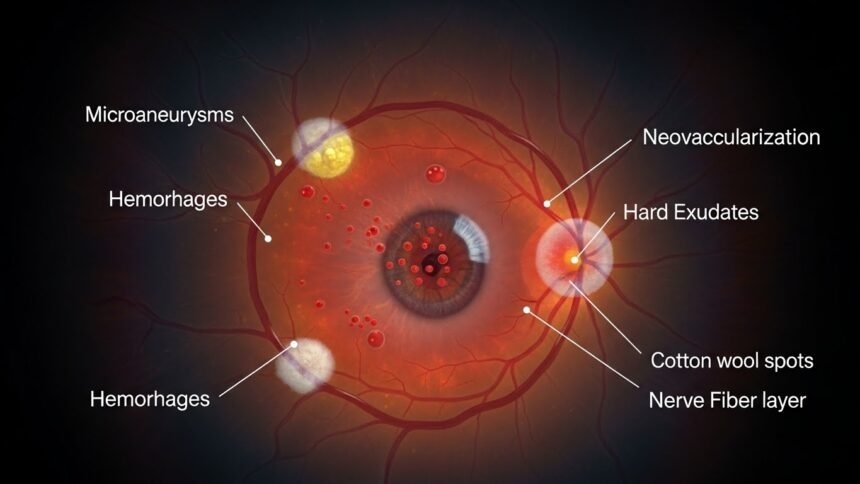
- Non-proliferative diabetic retinopathy (NPDR): This is the early stage. Blood vessels in the retina are weakened. Tiny bulges called microaneurysms may protrude from the vessel walls, sometimes leaking fluid and blood into the retina.
- Proliferative diabetic retinopathy (PDR): This is the more advanced stage. The retina triggers the growth of new, fragile blood vessels. These can bleed into the vitreous (the clear gel filling the eye), causing severe vision problems and potentially leading to retinal detachment.
According to the NHS overview of diabetic retinopathy, it can take several years for distinct symptoms to appear. This latency period makes regular screening absolutely critical, as damage can occur silently before you notice any change in your vision.
Anyone with type 1 or type 2 diabetes is at risk. The longer you have had diabetes, the higher the likelihood of developing some degree of retinopathy. However, managing your condition effectively can slow or even stop the progression.
Signs and symptoms to watch for
In the early stages, diabetic retinopathy often presents no symptoms at all. You might have 20/20 vision while changes are occurring at a microscopic level in your retina. This is why waiting for symptoms to appear is not a reliable prevention strategy.
As the condition advances, you may experience:
- Spots or dark strings floating in your vision (floaters).
- Blurred or fluctuating vision.
- Impaired colour vision.
- Dark or empty areas in your vision.
- Vision loss.
Sudden changes should never be ignored. If you notice a sudden increase in floaters or a curtain-like shadow over your vision, seeking immediate medical attention is vital. These could be signs of a bleed or retinal detachment.
Information provided by Moorfields Eye Hospital emphasises that timely intervention during these symptomatic stages can save sight, but prevention remains the gold standard.
Actionable steps for protecting your sight
Preventing diabetic retinopathy—or stopping it from getting worse—revolves around the core management of your diabetes. While you cannot change genetic factors or the duration you have had diabetes, you can influence the metabolic factors that drive blood vessel damage.
1. Master your blood sugar control
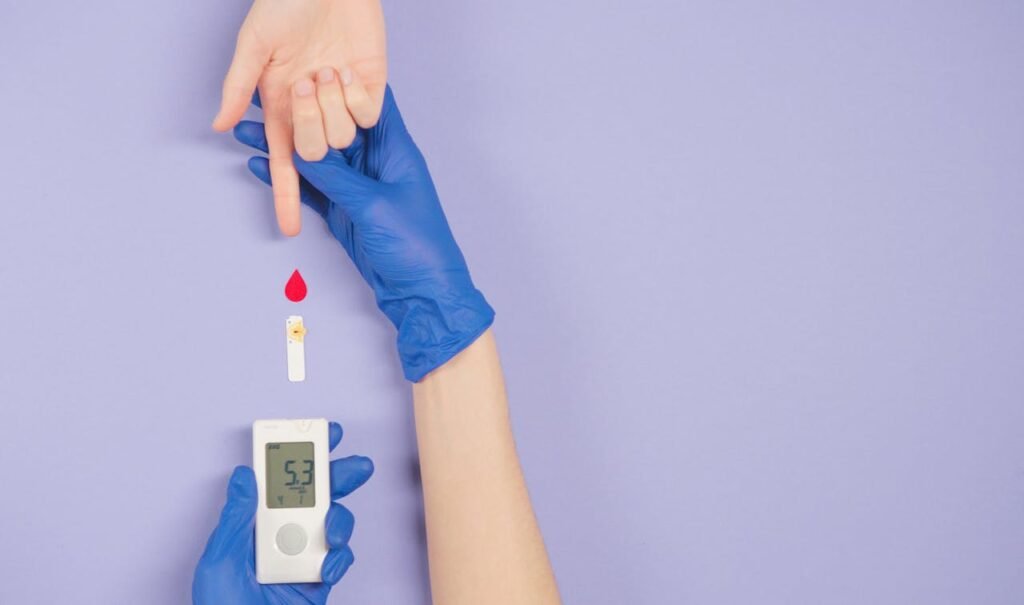
High blood glucose is the primary architect of retinal damage. When sugar levels are consistently high, it weakens the walls of the blood vessels. Keeping your HbA1c (average blood glucose levels over the last 2-3 months) within the target range set by your care team is the most effective way to prevent retinopathy.
Research consistently shows that intensive blood sugar control reduces the risk of retinopathy progression. Regular monitoring allows you to react to spikes before they become trends.
2. Manage blood pressure and cholesterol
Your eyes are vascular organs, meaning they are rich in blood vessels. High blood pressure (hypertension) increases the force of blood against these delicate vessel walls, exacerbating the damage caused by high sugar. High cholesterol can lead to deposits in the retina, further threatening vision.
By keeping these numbers in check, you protect the structural integrity of your retinal vessels. Evidence from Diabetes UK suggests that managing blood pressure is just as important as managing blood sugar for eye health.
3. Never miss a screening appointment
In the UK, everyone with diabetes aged 12 and over is invited for eye screening once a year (or every two years depending on risk). This is different from a standard optician’s appointment.
During screening, drops are used to dilate your pupils, allowing a specialist to take digital photographs of the back of your eye. These images can detect changes years before you would notice them.
As noted in a comprehensive guide by Healthline, early detection through screening is the cornerstone of preserving vision, often allowing for treatment before sight is compromised.
4. Adopt a retina-friendly diet
A balanced diet supports your blood sugar, blood pressure, and cholesterol goals. Focus on:
- Leafy greens: Spinach and kale are high in lutein and zeaxanthin, antioxidants that support eye health.
- Oily fish: Salmon and mackerel provide Omega-3 fatty acids, which are beneficial for retinal health.
- Low glycaemic index (GI) foods: Whole grains and pulses help maintain steady blood sugar levels.
For guidance on structuring your meals, the NHS Eatwell Guide offers a practical framework for balanced nutrition that benefits both your waistline and your eyes.
5. Stop smoking
Smoking is detrimental to every organ in the body, but it is particularly harmful to the vascular system. It constricts blood vessels and raises blood pressure, significantly increasing the risk of diabetic complications, including retinopathy.
If you smoke, quitting is arguably the single best thing you can do for your immediate and long-term health. The NHS Stop Smoking service provides free resources and support to help you quit for good.
6. Stay active
Regular moderate physical activity helps lower blood sugar and improves blood pressure. Aim for at least 150 minutes of moderate-intensity activity, such as brisk walking, every week. Exercise improves circulation, ensuring your retina receives the oxygen it needs.
Comparison: Risk factors vs. preventative actions
Understanding the relationship between your daily habits and your risk level is empowering. The following table breaks down the key factors that influence the health of your retina.
| Risk Factor | Why it Damages the Retina | Preventative Action | Target Goal (General)* |
|---|---|---|---|
| Hyperglycaemia (High Blood Sugar) | Weakens vessel walls; causes leakage and blockage. | Regular testing; medication adherence; diet. | HbA1c < 48mmol/mol (6.5%) |
| Hypertension (High Blood Pressure) | Forces blood through vessels at high pressure, causing rupture. | Low salt intake; exercise; medication. | Below 140/80mmHg (or 130/80mmHg) |
| Dyslipidaemia (High Cholesterol) | Causes hard exudates (deposits) in the retina. | Statins (if prescribed); healthy fats; fibre. | Total cholesterol < 4.0mmol/L |
| Smoking | Constricts vessels; reduces oxygen supply to the eye. | Nicotine replacement; support groups. | Complete cessation |
| Pregnancy | Hormonal changes can accelerate retinopathy. | More frequent screening during gestation. | Pre-conception counselling |
*Targets vary by individual. Always consult your GP or specialist for your personal targets.
Frequently asked questions
Can diabetic retinopathy be reversed?
Damage from diabetic retinopathy is often permanent, but treatment can stop it from getting worse. In some cases, tackling blood sugar levels aggressively in the very early stages can allow the eye vessels to heal slightly. For advanced stages, treatments like laser therapy can prevent blindness but may not restore lost vision. The Royal National Institute of Blind People (RNIB) provides excellent resources on adapting to vision changes.
Does the screening test hurt?
The screening test itself is painless. The eye drops used to dilate your pupils might sting for a few seconds, and your vision will be blurry for a few hours afterwards. You should not drive until the effects wear off. For specific rules on driving with diabetes and vision issues, refer to the GOV.UK driving with medical conditions guidelines.
How often should I have my eyes checked?
In the UK, the standard is annual screening. However, if no retinopathy is found over consecutive screenings, some regions are moving to a two-year interval. Conversely, if issues are found, you may need to be seen more frequently. Always follow the schedule provided by your local screening service. You can learn more about the specifics of the NHS diabetic eye screening programme online.
Are injections the only treatment?
No. While anti-VEGF injections are common for treating diabetic macular oedema (swelling), laser treatment (photocoagulation) is also widely used to seal leaking vessels. In severe cases of proliferative retinopathy, a surgery called vitrectomy might be performed to remove blood from the eye. More details on treatments are available via the National Eye Institute (or equivalent authoritative bodies).
The bottom line
Diabetic retinopathy is a serious complication, but it is not an inevitable consequence of diabetes. The power to protect your sight lies largely in your daily routine. By prioritising diabetic retinopathy prevention through blood sugar management, blood pressure control, and a healthy lifestyle, you are actively preserving your vision.
Remember, silence is not safety. The absence of symptoms does not mean your eyes are unaffected. Attending your annual screening is the only way to be sure. It is a quick, painless appointment that provides peace of mind and, crucially, the opportunity for early intervention.
Take a moment today to check when your last screening was. If you are overdue, book it immediately. Your future self will thank you for the care you invest in your eyes today.