For the modern mother, time is the ultimate luxury. Between school runs, career demands, and managing a household, self-care often falls to the bottom of the priority list. However, sacrificing your schedule shouldn’t mean sacrificing your style. The beauty industry has evolved, shifting away from high-maintenance platinum cards toward more organic, “lived-in” aesthetics that grow out gracefully.
Finding the right low maintenance hair color busy moms can love is about strategy, not just shade selection. It requires understanding techniques that blend natural roots with dimensional tones, extending the life of your color from four weeks to four months. This comprehensive guide will walk you through the best techniques, the science of hair health, and how to maintain that salon-fresh look at home.
The Psychology of Self-Care and Efficiency
It is often said that when you look good, you feel good. According to research on the psychology of beauty, personal grooming is intrinsically linked to self-esteem and mental well-being. For moms, a salon visit is more than a cosmetic appointment; it is a moment of respite.
However, the stress of needing a touch-up every four weeks can negate those benefits. By choosing a low-maintenance style, you are effectively buying back your time. You can enjoy the confidence boost of professional color without the anxiety of visible regrowth lines looming over your calendar.
Top Techniques for Low-Maintenance Color
The secret to longevity in hair color lies in the application technique. The goal is to avoid a “hard line” of demarcation as the hair grows.
1. Balayage: The Gold Standard
Originating from the French word meaning “to sweep,” balayage is a freehand painting technique. Unlike traditional foils that start at the root, balayage allows the colorist to paint highlights onto the mid-lengths and ends, feathering them up toward the root.
- Why it works for moms: It mimics the way the sun naturally lightens hair. Because the highlight doesn’t start directly at the scalp, your natural root growing in simply adds depth to the look rather than looking like a mistake.
2. Root Smudging and Shadow Roots
If you prefer a lighter look or traditional highlights, a root smudge is essential. After highlighting, the colorist applies a semi-permanent gloss to the roots that matches your natural color, blending it into the lighter strands.
- The Benefit: This blurs the line where the highlight begins. As noted by styling experts at Harper’s Bazaar, this technique creates a “melted” effect that creates a seamless transition as hair grows.
3. Sombré (Soft Ombré)
While the dramatic Ombré of 2015 featured a stark contrast between dark roots and light ends, Sombré is its sophisticated cousin. It involves a much subtler gradient.
- The Strategy: By keeping the crown closest to your natural shade and only lightening the ends, you can go 4 to 6 months without a major color appointment.
4. Babylights
These are micro-fine highlights placed strategically around the hairline and crown. Because the sections of hair dyed are so small, they blend seamlessly with your natural base.
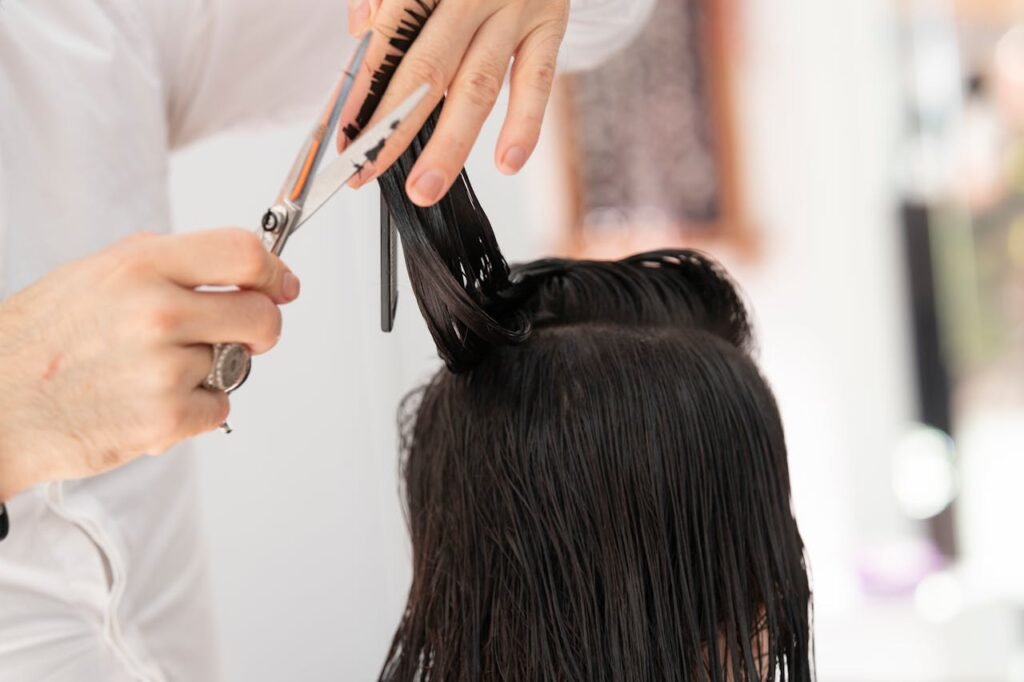
Comparative Analysis: Technique vs. Commitment
To help you decide which route is best for your lifestyle, we have compiled a comparison of the most popular low-maintenance techniques.
| Technique | Application Time | Maintenance Frequency | Growth Visibility | Best For |
|---|---|---|---|---|
| Balayage | 2 – 3 Hours | 3 – 5 Months | Low (Soft blend) | Brunettes wanting dimension |
| Root Smudge | 1.5 – 2 Hours | 2 – 3 Months | Very Low (Seamless) | Blondes who hate dark roots |
| Babylights | 3 – 4 Hours | 3 – 4 Months | Low (Fine weave) | Fine hair needing texture |
| All-Over Gloss | 45 Minutes | 6 – 8 Weeks | Medium (Fades out) | Adding shine/toning brass |
| Traditional Foil | 2 – 3 Hours | 4 – 6 Weeks | High (Hard line) | Maximum brightness (High maintenance) |
The Science of Hair Health: Keeping Color Vibrant
Low maintenance doesn’t mean no maintenance. To ensure your color lasts the full 4-5 months, you must maintain the integrity of the hair shaft.
Understanding Porosity and pH
Hair health is largely determined by the condition of the cuticle (the outer layer). Chemical processing can raise the cuticle, making hair more porous. High porosity hair absorbs water quickly but loses moisture—and color molecules—just as fast.
According to the National Center for Biotechnology Information (NCBI), maintaining a balanced pH is crucial for cuticle health. Using pH-balanced shampoos helps seal the cuticle, locking in color and preventing frizz.
UV Protection
Just as UV rays damage skin, they degrade hair proteins and oxidize color, turning cool brunettes red and icy blondes yellow. The Skin Cancer Foundation notes that hats and protective sprays are vital for preventing radiation damage to the scalp and hair shaft. For busy moms spending time at the park or sports games, a leave-in conditioner with UV filters is a non-negotiable.
Health and Safety: Pregnancy and Postpartum
A common concern for our clients is the safety of hair color during pregnancy and breastfeeding. The American Pregnancy Association states that most research indicates the chemicals found in both semi-permanent and permanent dyes are not highly toxic and are safe to use during pregnancy, though many doctors recommend waiting until the second trimester.
Postpartum Hair Loss:
Many moms experience Telogen Effluvium (postpartum shedding). During this phase, gentle techniques like Balayage are preferred over full bleaching, which can put extra stress on fragile follicles. For more on hair growth cycles, the American Academy of Dermatology (AAD) offers excellent resources on what to expect during shedding phases.
Home Maintenance Routine for the Busy Mom
You don’t have hours to spend on hair masks. Here is a streamlined, efficient routine to protect your investment:
- Wash Less, Wash Better: Frequent washing strips natural oils. Utilize a high-quality dry shampoo to extend styles. When you do wash, use lukewarm water; hot water opens the cuticle and releases color.
- Sulfate-Free is Key: Sulfates are detergents that strip moisture. Switch to sulfate-free options to preserve your natural scalp oils, which are essential for hydration.
- The 5-Minute Gloss: In between salon visits, use a color-depositing conditioner. These take 3-5 minutes in the shower and can neutralize brassiness, refreshing your tone without a trip to the salon.
- Silk Pillowcases: Friction causes breakage. A silk or satin pillowcase reduces friction, preserving your style overnight and reducing morning prep time.
Identifying Your Perfect Shade
When consulting with your stylist, bring photos, but also be realistic about your natural base. The lowest maintenance color is usually within 2-3 shades of your natural hair color.
- If you are a dark brunette: Ask for “mushroom brown” or caramel ribbons.
- If you are a natural blonde: Ask for “lived-in blonde” or “root melting.”
- If you have greys: Ask for “grey blending” rather than full coverage. This technique uses highlights to camouflage grey hair into the design, rather than trying to paint over every single strand, which results in a harsh skunk stripe in three weeks.
Resources like Healthline provide great guides on testing your hair type at home, which can help your stylist choose the right product formulation for your specific texture.
Conclusion
Choosing a low maintenance hair color for busy moms isn’t about giving up; it’s about leveling up your strategy. By utilizing techniques like balayage, root smudging, and efficient home care, you can maintain a high-end look that respects your limited time.
You deserve to feel vibrant and beautiful without being tethered to a salon chair every month. Prioritize techniques that grow out softly, protect your hair health, and allow you to focus on what matters most—your family and yourself.
Ready to reclaim your time and style? Book a consultation with our expert colorists today and discover the custom “lived-in” look that works as hard as you do.