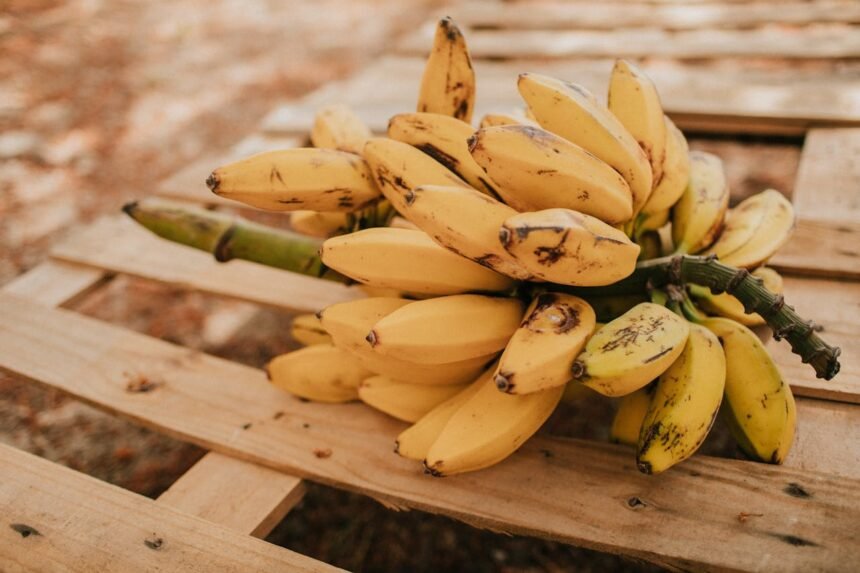
Bananas are undoubtedly one of the world’s most popular fruits. They are convenient, nutritious, and incredibly delicious. However, their relationship with digestive health has been the subject of confusion for decades.
If you have ever felt bloated or unable to pass a stool, you might have received conflicting advice regarding this yellow fruit. Some people swear that bananas are a natural laxative that keeps them regular. Others claim that bananas are the primary culprit behind their constipation.
It is entirely normal to feel confused by these mixed messages. The reality of how bananas affect your digestion is nuanced and depends largely on the ripeness of the fruit and your individual biology.
Understanding the specific nutritional composition of bananas at different stages of ripeness is key to unlocking their benefits without suffering from digestive discomfort.
In this article, we will explore the evidence to determine whether bananas cause constipation or relieve it, ensuring you can make the best choices for your gut health.
Overview: The Nutritional Profile
Before diving into the mechanics of digestion, it is essential to understand what makes a banana nutritionally unique. Bananas are rich in vitamins and minerals, particularly potassium, vitamin B6, and vitamin C. However, regarding digestion, the most critical component is fibre.
Fibre is the part of plant-based foods that your body cannot digest. Instead of being broken down, it passes relatively intact through your stomach, small intestine, and colon and out of your body.
According to the NHS, a diet rich in fibre is essential for maintaining a healthy digestive system. A medium-sized banana contains approximately 3 grams of fibre, making it a decent source of this vital nutrient.
However, not all fibre functions in the same way. The fibre content in bananas changes as the fruit ripens, altering how it interacts with your bowel movements. This variability is often why people experience different results when eating them.
Symptoms and Causes of Constipation
To understand if bananas are the villain, we must briefly define the problem. Constipation is generally defined as having fewer than three bowel movements a week, or having stools that are hard, dry, and difficult to pass.
Common causes include a lack of dietary fibre, dehydration, and a sedentary lifestyle.
It acts as a signal from your body that waste is moving too slowly through the digestive tract. When food moves slowly, the colon absorbs more water from the waste, making the stool hard and dry.
Interestingly, diet is a double-edged sword here; certain foods can alleviate these symptoms, while others can exacerbate them. This brings us to the complex role of the banana.
Do Bananas Cause Constipation? A Detailed Breakdown
The answer is not a simple yes or no. The effect a banana has on your bowels depends almost entirely on its colour. The ripeness of the banana dictates its starch and fibre composition, which dramatically changes its digestive impact.
The Role of Green (Unripe) Bananas
Green, unripe bananas are predominantly composed of resistant starch. Resistant starch is a complex carbohydrate that, as the name suggests, resists digestion in the small intestine.
Because your body cannot break it down easily, it functions similarly to insoluble fibre. For many people, this is beneficial. It feeds the friendly bacteria in your gut, acting as a prebiotic.
However, for some individuals, high amounts of resistant starch can slow down the digestive process. If you are already prone to a sluggish bowel, eating a large quantity of green bananas might exacerbate the issue.
Furthermore, resistant starch is highly effective at binding stools. This is why green bananas are often recommended for treating diarrhoea rather than constipation. If you are already constipated, the binding nature of resistant starch in green bananas may worsen the blockage.
The Role of Yellow (Ripe) Bananas
As a banana ripens and turns yellow, the resistant starch converts into simple sugars. This is why yellow bananas taste much sweeter than their green counterparts.
During this ripening process, the fibre composition also shifts. Ripe bananas contain higher levels of pectin, a type of water-soluble fibre.
Soluble fibre absorbs water and turns into a gel-like substance during digestion. This helps to soften stools and makes them easier to pass through the gut.
Therefore, fully ripe bananas are generally considered helpful for relieving constipation. They provide bulk without the intense binding effect of the resistant starch found in unripe fruit.
For a deeper dive into the relationship between fruit ripeness and digestion, you can read this comprehensive guide on Healthline.
The Impact on Infants and Toddlers
Parents often worry about bananas when weaning their babies. It is a valid concern. The digestive systems of infants are still developing and can be sensitive to dietary changes.
Historically, bananas have been part of the “BRAT” diet (Bananas, Rice, Applesauce, Toast), which was often prescribed for children recovering from stomach bugs to help firm up loose stools.
This reinforces the idea that bananas can be binding. If a toddler is consuming a large volume of bananas—especially if they are not fully ripe—and not drinking enough water, it could lead to constipation.
However, the British Nutrition Foundation suggests that a balanced intake of fruit is crucial for young children, and bananas should not be demonised but rather managed as part of a varied diet.
Comparison: Green vs. Yellow Bananas
The table below summarises the key differences between unripe and ripe bananas regarding digestion.
| Feature | Green Bananas (Unripe) | Yellow Bananas (Ripe) |
|---|---|---|
| Primary Carbohydrate | Resistant Starch | Simple Sugars |
| Fibre Type | Acts like Insoluble Fibre | High in Pectin (Soluble Fibre) |
| Digestibility | Harder to digest | Easy to digest |
| Stool Effect | Binds and firms stool | Softens and bulks stool |
| Best Used For | Managing diarrhoea | Relieving constipation |
| Prebiotic Effect | High (feeds gut bacteria) | Moderate |
Diagnosis and Treatment: When Diet Isn’t Enough
While adjusting your banana intake is a good first step, chronic constipation may require medical attention. If you find that removing green bananas and increasing water intake does not resolve the issue, other factors may be at play.
Diagnosis usually involves a physical exam and a review of your medical history. Treatment often starts with lifestyle changes, such as increasing overall fibre intake from diverse sources like whole grains, legumes, and vegetables.
Organisations like Guts UK provide excellent resources for understanding when constipation might signal a more significant underlying condition, such as Irritable Bowel Syndrome (IBS).
Tips for Management
If you love bananas but want to ensure they do not disrupt your digestion, consider these practical tips for management.
1. Choose the Right Ripeness
If you are struggling with constipation, avoid green bananas entirely. Opt for bananas that are fully yellow with brown spots. The brown spots indicate that the starch has largely converted to sugar and the pectin content is high, which will aid bowel movements.
2. Pair with Hydration
Fibre needs water to work effectively. If you eat high-fibre foods like bananas without drinking enough water, the fibre can actually cause constipation rather than cure it.
Ensure you are drinking plenty of fluids throughout the day. The British Dietetic Association recommends 6 to 8 glasses of fluid daily to keep the body hydrated and the bowels moving.
3. Monitor Your Intake
Moderation is key. Eating five bananas a day might overload your system with fibre and sugar. Sticking to one medium banana a day is a safe limit for most people.
4. Balance with Other Fibres
Do not rely solely on bananas for your fruit intake. Incorporate fruits known for their laxative properties, such as prunes, kiwis, and pears.
For example, Cancer Research UK highlights the importance of a varied high-fibre diet to maintain regular bowel function.
Frequently Asked Questions
Can bananas cause constipation in babies?
Yes, excessive consumption of bananas, particularly if they are unripe, can contribute to constipation in infants. Their digestive systems are still maturing. It is best to offer ripe, mashed bananas and ensure they are also getting plenty of fluids.
Do bananas help with diarrhoea?
Yes. Green or barely ripe bananas contain resistant starch and pectin, which absorb excess water in the bowel and help firm up loose stools. This makes them an excellent natural remedy for diarrhoea.
Are bananas low FODMAP?
Generally, firm, common bananas are considered low FODMAP. However, very ripe bananas can be high in oligo-fructans, which may trigger symptoms in people with IBS. Monash University provides detailed updates on FODMAP ratings for different stages of banana ripeness.
How much water should I drink when eating fibre?
Fibre absorbs water. If you increase your fibre intake without increasing fluids, you risk blockage. Aim to follow the NHS Eatwell Guide which emphasises fluid intake alongside fruit and vegetables.
The Bottom Line
Bananas are a nutritional powerhouse that can be a friend or a foe to your digestion, depending largely on their ripeness.
Unripe, green bananas are high in resistant starch and can be constipating or binding, making them ideal for treating diarrhoea but potentially problematic if you are already backed up.
Ripe, yellow bananas are rich in soluble fibre and natural sugars, which typically help to soften stools and promote regularity.
To maintain a healthy gut, consume ripe bananas in moderation and ensure you are drinking adequate water. If digestive issues persist despite dietary changes, consult a healthcare professional.
For more information on maintaining a balanced diet, visit GOV.UK’s health advice or speak to your GP.