In our modern, hyper-connected world, it is almost impossible to avoid screens. From the smartphone that wakes you up to the laptop you work on, and the television you watch to unwind, digital devices are woven into the fabric of daily life.
However, with this increase in screen time comes a rising concern: blue light. You have likely heard the warnings. Perhaps you have seen advertisements for glasses that promise to block it, or read headlines suggesting it could lead to permanent blindness.
It is natural to feel worried. After all, your vision is precious, and the sensation of tired, dry eyes after a long day is a very real experience for most of us. But does the blue light emitted from your devices actually cause physical damage to your eyeballs, or is it merely a source of temporary discomfort?
Separating the marketing hype from scientific fact is crucial for your peace of mind and your eye health. This article explores the latest evidence-based research to help you understand what blue light really does to your eyes and how you can manage your screen time safely.
What is blue light?
To understand the risk, we must first understand the spectrum. Visible light is much more complex than it appears. It consists of a range of different coloured rays, each possessing different amounts of energy.
Blue light is a portion of the visible light spectrum that has short wavelengths and high energy. It sits right next to ultraviolet (UV) light on the spectrum. Because of its high energy, it is often referred to as high-energy visible (HEV) light.
Here are the primary sources:
- The Sun: This is, by far, the largest source of blue light. It regulates our sleep-wake cycles and boosts alertness.
- Digital Screens: Smartphones, tablets, computers, and flat-screen TVs.
- Artificial Lighting: LED lighting and fluorescent bulbs.
While digital screens emit significant amounts of blue light, the intensity is a fraction of what is emitted by the sun. However, the concern arises from the proximity of these screens to our faces and the sheer duration of time we spend looking at them.
Does blue light cause permanent eye damage?
This is the most common question eye health professionals receive. The short answer, according to current consensus, is no—at least, not in the way many fear.
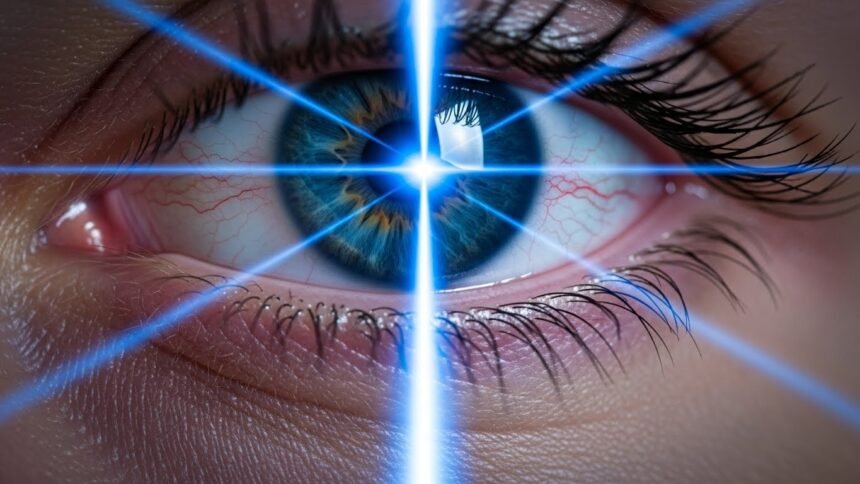
Much of the alarm stems from early studies conducted on animals or cells in petri dishes. These studies often exposed cells to incredibly intense blue light for prolonged periods, leading to damage in the retinal cells. This led to fears that blue light could accelerate age-related macular degeneration (AMD), a leading cause of vision loss.
However, experts caution against applying these results directly to humans using smartphones. The American Academy of Ophthalmology and other major bodies have stated that there is currently no scientific evidence that the blue light from digital devices causes damage to the human retina.
The distinction between damage and strain
It is vital to distinguish between pathological damage (disease) and physiological strain (discomfort). While your phone is unlikely to blind you, it is certainly capable of making your eyes feel sore, tired, and gritty. This is not due to blue light toxicity, but rather how we use the devices.
Digital Eye Strain: The real culprit
If blue light isn’t burning a hole in your retina, why do your eyes hurt? The answer lies in Computer Vision Syndrome, commonly known as digital eye strain.
When you stare at a screen, several things happen:
- Reduced Blink Rate: Research shows we blink significantly less when concentrating on digital screens—often dropping from 15 blinks a minute to just 5 or 7. This causes tears to evaporate, leading to dry eyes.
- Focus Fatigue: Screens consist of pixels. The eyes must constantly refocus to keep images sharp, which fatigues the ciliary muscles.
- Glare and Contrast: Poor lighting and screen glare force the eyes to work harder to interpret the image.
The NHS explains that while tired eyes are unpleasant, they usually do not lead to permanent damage. The symptoms are temporary and subside once you rest your eyes.
Blue light and sleep: A proven link
While the risk of retinal damage may be overstated, the impact of blue light on your circadian rhythm is well-documented and significant. This is arguably the most critical health impact of late-night scrolling.
Blue light suppresses the production of melatonin, the hormone that signals to your body that it is time to sleep. Because blue light mimics the high-energy light of the morning sun, using screens late at night tricks your brain into thinking it is still daytime.
According to Harvard Health, this can lead to:
- Difficulty falling asleep.
- Reduced REM sleep.
- Morning grogginess.
- Long-term metabolic issues associated with poor sleep.
Actionable tips to protect your eyes
You do not need to throw away your devices to protect your vision. Simple, evidence-based adjustments to your routine can significantly reduce strain and improve sleep.
1. Follow the 20-20-20 Rule
This is the gold standard for preventing digital eye strain. The premise is simple: Every 20 minutes, look at something 20 feet away for at least 20 seconds.
This brief break allows the focusing muscles in your eyes to relax. It is also a perfect opportunity to blink intentionally to remoisten the eye surface.
2. Optimise your workstation
Your environment plays a massive role in visual comfort. If you work in an office, you should be aware of the Health and Safety Executive (HSE) regulations regarding display screen equipment.
- Position: The top of your screen should be at or slightly below eye level.
- Distance: Keep the screen about an arm’s length (25 inches) away from your face.
- Lighting: Ensure your room lighting matches the brightness of your screen to reduce glare.
3. Use ‘Night Mode’ settings
Most modern smartphones and computers have built-in features (often called Night Shift or Eye Comfort Shield) that shift the screen’s colour temperature towards the warmer, red end of the spectrum in the evening. This reduces HEV light exposure before bed.
4. Consider lubricating eye drops
If you suffer from chronic dry eye due to screen use, preservative-free artificial tears can be a game-changer. They help replenish the moisture layer that evaporates when you forget to blink.
5. Be sceptical of blue light glasses
Are blue light blocking glasses necessary? The research is mixed. A recent Cochrane Review suggested that blue light filtering spectacles probably make no difference to eye strain compared to standard lenses. While they may help some individuals psychologically or by slightly increasing contrast, they are not a medical necessity for preventing eye disease.
Comparing Light Sources: A Breakdown
To put the risk into perspective, it helps to compare the intensity of blue light from various sources we encounter daily.
| Light Source | Intensity of Blue Light | Risk of Retinal Damage | Impact on Sleep |
|---|---|---|---|
| Direct Sunlight | Very High | High (if staring directly) | Regulates Rhythm |
| Cloudy Day | High | Low | Regulates Rhythm |
| Smartphone/Tablet | Low | Negligible | High (if used at night) |
| Laptop Screen | Low | Negligible | High (if used at night) |
| LED Household Bulb | Low/Moderate | Negligible | Moderate |
Frequently Asked Questions
Can blue light cause blindness?
No. According to the Association of Optometrists (AOP), there is no evidence that the levels of blue light from screens cause blindness or age-related macular degeneration.
Should children wear blue light glasses?
Children are sensitive to light, but limiting screen time is more effective than glasses. The College of Optometrists recommends focusing on outdoor play to prevent myopia (short-sightedness) rather than worrying about blue light toxicity.
Does blue light age your skin?
Some emerging dermatological research suggests high-intensity blue light might contribute to oxidative stress in the skin, potentially leading to premature ageing. However, standard screen exposure is unlikely to be a major factor compared to UV exposure from the sun.
The Bottom Line
Does blue light damage your eyes? The scientific consensus is that it does not cause physical damage to the retina or lead to blindness. The fear surrounding blue light is often exaggerated by marketing for protective products.
However, this does not mean screens are harmless. Digital eye strain is a genuine source of discomfort, and blue light exposure at night can severely disrupt your sleep patterns and overall health.
Rather than fearing the light itself, focus on healthy habits: take regular breaks, blink often, and put the phone away an hour before bed. If you continue to experience discomfort, consult a professional. You can find an optician or speak to your GP to rule out other underlying vision issues. Your eyes are resilient, but they still deserve a rest.