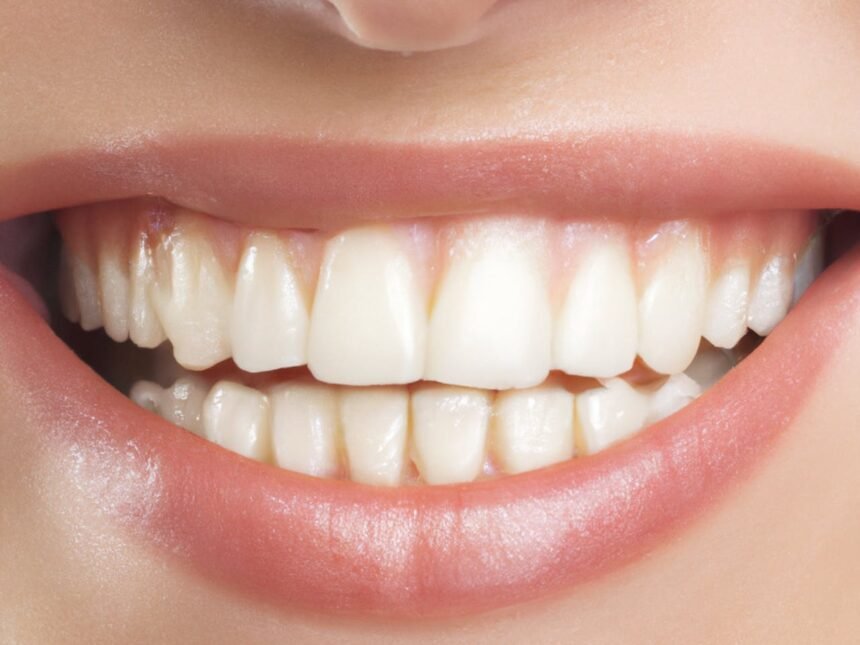
The quest for a brighter, Hollywood-style smile has led many of us down the path of natural remedies. In recent years, social media feeds have been inundated with videos of influencers brushing their teeth with a pitch-black paste, claiming it is the secret to pearly whites. This trend focuses heavily on coconut charcoal teeth whitening products.
It is understandable why this is appealing. Professional dental treatments can be costly, and the idea of using a natural, plant-based product feels safer and more holistic. But does scrubbing your teeth with charred coconut shells actually deliver results, or is it potentially damaging your dental health?
This article explores the science behind activated charcoal, its effectiveness for whitening, and the safety precautions you need to take.
What Is Coconut Charcoal?
Before diving into its efficacy, it is important to understand what this substance actually is. Activated charcoal is not the same as the briquettes you use on a barbecue. It is a fine grain powder made from wood, coconut shells, peat, coal, or olive pits.
To create coconut shell charcoal, the shells are oxidised under extreme heat. This process activates the charcoal, making it incredibly porous. These pores increase the surface area, allowing the charcoal to trap chemicals and toxins—a process known as adsorption.
Historically, activated charcoal has been used medically to treat certain types of poisoning because it prevents poison from being absorbed into the stomach. In the context of oral hygiene, the theory is that these activated carbon benefits extend to pulling stains, tartar, and bacteria from your teeth.
Can It Actually Whiten Teeth?
The short answer is: yes and no. It largely depends on the type of staining you have.
Removing Surface Stains
Coconut charcoal teeth products function primarily as a mild abrasive. When you brush with charcoal paste, the grainy texture helps in removing surface stains caused by coffee, tea, red wine, and tobacco. These are known as extrinsic stains.
Because the charcoal is porous, it may absorb some of the plaque and surface compounds that cause discolouration. Many users report their teeth feeling cleaner and looking brighter after use, much like they would after a professional polishing.
However, it is crucial to manage expectations. While it can buff away surface marks, there is limited scientific evidence to suggest that charcoal can change the natural colour of your teeth or tackle deep discolouration.
Intrinsic vs Extrinsic Stains
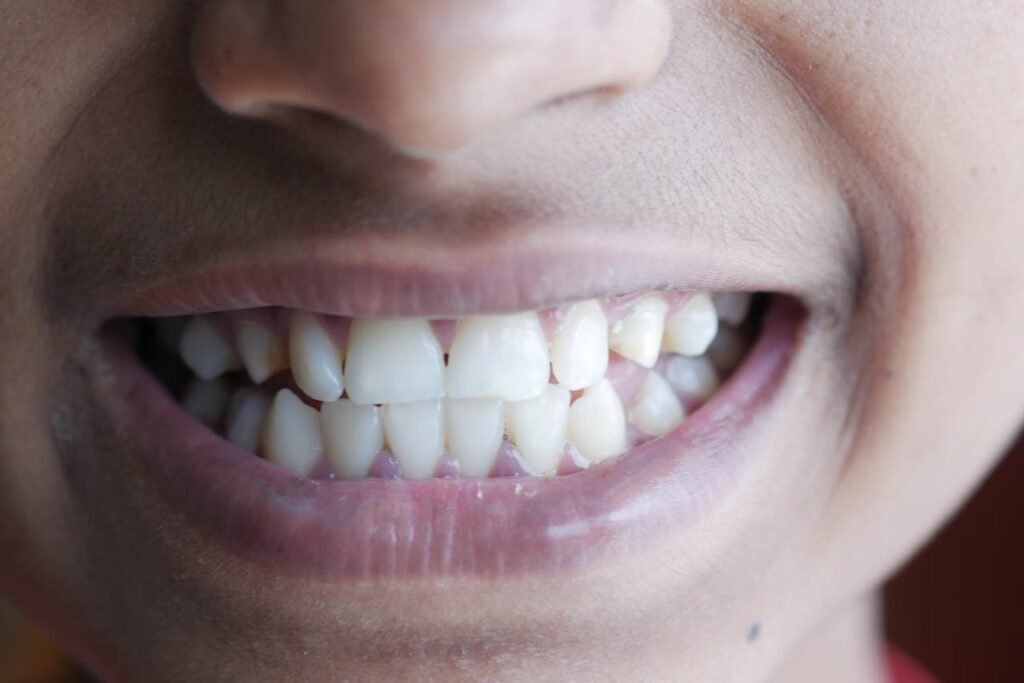
Understanding the difference between intrinsic vs extrinsic stains is vital. Extrinsic stains live on the enamel layer. Intrinsic stains, however, are located inside the tooth (in the dentin) and can be caused by medication, trauma, or genetics.
Activated charcoal cannot reach intrinsic stains. If your teeth are naturally yellowing due to thinning enamel (which reveals the yellow dentin underneath), scrubbing them with charcoal will not help. In fact, it might make the problem worse by wearing down the enamel further.
For a deeper understanding of how dietary choices affect your body and potentially your teeth, you might find our article on Is Coconut Sugar Keto Friendly? Everything You Need to Know helpful regarding sugar intake and oral health.
The Risks: Is It Safe for Your Enamel?
While the concept of natural teeth whitening methods is attractive, safety is a significant concern among dental professionals. The primary risk associated with coconut charcoal teeth whitening is tooth enamel erosion.
Enamel is the hardest substance in the human body, but it does not regenerate. Once it is gone, it is gone forever. Many charcoal powders available online are too abrasive for daily use. Scrubbing your teeth with them can act like sandpaper.
According to the American Dental Association (ADA), there is insufficient evidence to substantiate the safety and efficacy of charcoal dental products. Using abrasive dental products regularly can wear down the enamel, leading to increased sensitivity and actually making teeth look yellower as the dark dentin shows through.
Think of the abrasion in terms of durability. In gardening, we look for toughness, such as with The Strength and Durability of Coconut Fiber Rope in Gardening. However, you do not want that same level of friction applied to your delicate gum line or tooth enamel.
Impact on Gum Health and Restoration
Another concern is the physical effect of charcoal particles on your gums. Charcoal granules can lodge in the gum pockets, leading to inflammation or even grey tissue discolouration. If you are already suffering from gum issues, seeking gum sensitivity relief via charcoal might be counterproductive.
Furthermore, charcoal may disrupt the oral microbiome balance. Our mouths contain a complex ecosystem of good and bad bacteria. While charcoal adsorbs toxins, it is indiscriminate—it might also remove beneficial agents.
For those interested in maintaining a healthy bacterial balance naturally, you might look into dietary probiotics. Read more in our guide: A Guide to Making Probiotic-Rich Coconut Milk Kefir at Home.
Additionally, studies referenced by the National Institutes of Health (NIH) suggest that charcoal toothpastes often lack fluoride. Fluoride is essential for remineralising teeth and preventing decay. By swapping your regular toothpaste for a charcoal version, you may be increasing your risk of cavities.
How to Use It Safely
If you are determined to try coconut charcoal teeth whitening, proceed with caution and follow these guidelines to minimise DIY teeth whitening risks.
- Choose a Paste, Not a Powder: Pastes are generally less abrasive than raw powders. Look for products that have been formulated specifically for dental use rather than generic activated charcoal powder uses.
- Use Sporadically: Do not use it as your daily toothpaste. Treat it as an occasional treatment—perhaps once a week.
- Soft Touch: Use a soft-bristled toothbrush and apply very little pressure. Let the paste do the work.
- Rinse Thoroughly: Ensure all particles are washed away to prevent gum irritation.
- Consult Your Dentist: Always seek dental professional advice before starting any whitening regime, especially if you have crowns, veneers, or sensitive teeth.
Just as we explore safety in other personal care products, such as in our article Is Coconut Oil Lube Safe? A Natural Guide to Personal Lubricants, oral safety requires due diligence.
Alternative Natural Approaches
If you are hesitant about the abrasiveness of charcoal, there are other safe whitening alternatives and holistic methods to maintain a bright smile.
Oil Pulling
Oil pulling is an ancient Ayurvedic practice involving swishing oil in your mouth to remove bacteria. While it is not a bleaching agent, it promotes holistic dental care and gum health. Coconut oil is a popular choice for this due to its lauric acid content.
For a broader look at detoxification myths and realities, read Does a Coconut Oil Detox Really Help Cleanse Your Body?.
Diet and Hydration
Prevention is often better than cure. Acidic foods and drinks contribute to enamel erosion. If you consume acidic products, such as those discussed in Exploring the Health and Digestive Coconut Vinegar Benefits, rinse your mouth with water afterwards.
Staying hydrated helps produce saliva, which naturally cleanses the teeth. For hydration tips, check out The Ultimate Guide to Using Coconut Water Powder for Hydration.
Furthermore, be mindful of staining foods like soy sauce. You might consider alternatives; see our article on Finding the Best Coconut Aminos Substitute for Your Cooking for lighter options that might stain less.
Clinical Perspectives
According to the British Dental Association, whitening is a practice of dentistry and should only be carried out by regulated dental professionals. While over-the-counter products are available, their efficacy varies.
The NHS states that teeth whitening is safe when done by a dentist, but DIY kits carry risks of burning gums and destroying enamel. Professional bleaching uses hydrogen peroxide or carbamide peroxide, which permeates the enamel to change the intrinsic colour, something charcoal cannot do.
For more on general health and safety standards, the Centers for Disease Control and Prevention (CDC) and the Mayo Clinic offer extensive resources on oral hygiene best practices.
Sustainability and Byproducts
One valid reason consumers choose coconut charcoal teeth products is sustainability. Utilising coconut shells reduces waste. This aligns with a zero-waste lifestyle, similar to using the shells for household items.
If you are interested in how coconut byproducts are used sustainably elsewhere, read Sustainable Living: Why Every Kitchen Needs a Coconut Shell Bowl.
However, sustainability should not come at the cost of your health. Even natural products can have side effects. For instance, just as we monitor skin reactions in Managing Your Symptoms: Using Coconut Oil Psoriasis Treatments, we must monitor our gums for reactions to charcoal.
The Bottom Line
Coconut charcoal teeth whitening products have taken the market by storm, offering a natural, fluoride-free alternative for stain removal. They can be effective at removing surface stains and making teeth appear brighter temporarily.
However, charcoal toothpaste safety is a debated topic. The abrasive nature of charcoal poses a real risk of tooth enamel erosion if used incorrectly or too frequently. It cannot change the natural shade of your teeth or remove intrinsic stains.
Summary of Key Points:
- Charcoal removes extrinsic stains via abrasion, not bleaching.
- Overuse can permanently damage enamel and increase sensitivity.
- It often lacks fluoride, which is necessary for cavity prevention.
- Consult a dentist before replacing your regular toothpaste.
For those seeking a truly white smile, professional treatment remains the gold standard. If you prefer a natural approach, focus on a healthy diet, hydration, and gentle oral hygiene practices. Always look for scientific backing, such as reports from the Cochrane Library or the Oral Health Foundation, before following the latest wellness trend.
Even our pets require safe oral care, proving that natural isn’t always automatically safe without knowledge—a topic touched upon in The Surprising Benefits of Using Coconut Oil Dogs Can Enjoy.
Treat your teeth with care; you only get one adult set. If you choose to use charcoal, do so sparingly and with full awareness of the risks involved. Check sources like Healthline and WebMD for continued updates on dental trends.