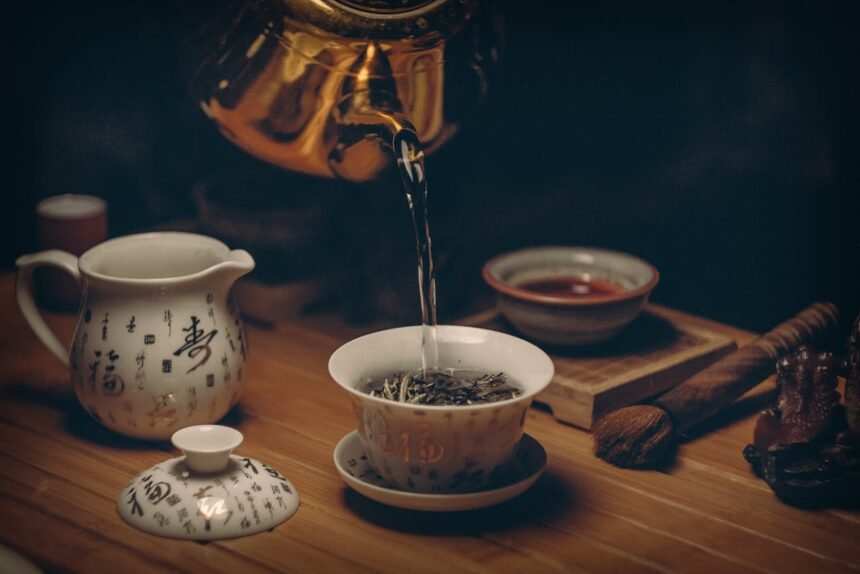
Abdominal bloating is a common and uncomfortable complaint. Whether it stems from eating too quickly, food intolerances, or simply a heavy meal, the sensation of a tight, swollen belly can ruin your day. While there are many pharmaceutical options available, many people prefer natural alternatives. One of the most popular and time-honoured remedies is peppermint tea.
But does peppermint tea help with bloating effectively? The short answer is yes. This refreshing herbal infusion has been used for centuries to soothe digestive woes.
In this article, we will analyse the science behind peppermint tea, how to use it for maximum benefit, and the specific situations where you might need to avoid it.
The Science: How Peppermint Tea Aids Digestion
Peppermint (Mentha piperita) is more than just a pleasant flavouring for toothpaste and chewing gum. It contains bioactive compounds that interact directly with your digestive system. The primary active ingredient responsible for its health benefits is menthol.
1. Muscle Relaxation (Antispasmodic Effects)
The most significant way peppermint tea combats bloating is by acting as an antispasmodic. The muscles in your gastrointestinal tract can sometimes contract too tightly or spasm, trapping gas and causing pain. Menthol has a relaxing effect on these smooth muscles, allowing the body to release trapped gas more easily.
According to the National Center for Complementary and Integrative Health, peppermint oil has been shown to be effective in treating symptoms of Irritable Bowel Syndrome (IBS), including pain and bloating. While tea is less concentrated than the oil, it offers a gentler version of these benefits.
2. Improving Bile Flow
Efficient digestion relies on bile, a fluid produced by the liver that helps break down fats. Peppermint tea may stimulate the gallbladder to release bile, which helps your body digest fatty foods more efficiently. By speeding up the digestive process, food spends less time fermenting in your gut, which can naturally reduce stomach swelling.
> Did You Know? Peppermint tea is naturally caffeine-free. Unlike black tea or coffee, it won’t dehydrate you or make you jittery, making it an excellent choice for evening relaxation.
Peppermint Tea vs. Peppermint Oil
It is important to distinguish between brewing a cup of tea and taking peppermint oil capsules.
Peppermint Tea:** Made by steeping fresh or dried leaves in hot water. It provides a soothing, mild dose of menthol. It is excellent for general *peppermint tea bloating relief after a large meal.
* Peppermint Oil: Highly concentrated. It is often used in enteric-coated capsules for treating chronic conditions like IBS. As noted by the NHS, these capsules are specifically designed to release the oil in the intestines rather than the stomach.
For occasional bloating, tea is usually sufficient and more enjoyable to consume.
How to Brew the Perfect Cup for Bloating Relief
To maximise the digestive benefits of menthol, you must brew your tea correctly. Weak tea may taste nice, but it might not contain enough active compounds to help.
Ingredients
* 1 tablespoon of fresh peppermint leaves (or 1 high-quality organic teabag)
* 250ml of freshly boiled water
* Optional: A slice of lemon or teaspoon of honey
Instructions
- Prepare the Leaves: If using fresh leaves, bruise them slightly with a spoon to release the oils.
- Pour and Cover:* Pour the hot water over the leaves in a mug. *Crucially, cover the mug with a saucer. Peppermint oils are volatile and can evaporate in the steam. Covering the mug keeps the beneficial oils in your drink.
- Steep Time: Let it infuse for 10 to 15 minutes. This is longer than regular tea, but necessary for medicinal strength.
- Strain and Sip: Remove the leaves or bag. Drink slowly whilst it is warm.
If you are wondering about fresh mint tea vs teabags, fresh leaves often contain more potent oils, but high-quality bagged tea is a convenient and effective alternative.
When is the Best Time to Drink Peppermint Tea?
Timing matters when trying to settle your stomach.
Post-Meal:** The *best time to drink peppermint tea for bloating is about 30 minutes after a meal. This helps your digestion process the food you have just eaten.
* Mid-Afternoon: If you experience the “3pm slump” and bloating from lunch, a cup can rehydrate you and settle your gut.
* Before Bed: Since it contains no caffeine, it aids relaxation and can help prevent overnight indigestion, leading to better sleep.
Other Natural Ways to Reduce Bloating
While peppermint tea is powerful, combining it with other lifestyle changes helps improve gut health naturally.
- Check Your Diet:* Identify *foods that cause inflammation or gas, such as beans, lentils, and cruciferous vegetables (broccoli, cabbage).
- Movement:* Gentle exercise can help move gas through the digestive tract. Try a short walk or specific *yoga poses for digestion, such as ‘Child’s Pose’ or ‘Knees-to-Chest’.
- Probiotics:* These support a healthy bacterial balance. *Signs of a healthy gut microbiome include regular bowel movements and minimal gas.
- Hydration: Drink plenty of water. Sometimes, what feels like bloating is actually water retention caused by dehydration and high salt intake.
For those interested in other herbal remedies, ginger tea is another top contender. It is often cited as the best tea for trapped wind if peppermint isn’t to your taste.

Important Precaution: Who Should Avoid Peppermint Tea?
Despite its benefits, peppermint tea is not suitable for everyone.
If you suffer from Gastro-oesophageal Reflux Disease (GERD) or severe acid reflux, peppermint can actually make your symptoms worse. The same muscle-relaxing property that helps with bloating also relaxes the Lower Oesophageal Sphincter (the valve between your stomach and throat).
When this valve relaxes too much, stomach acid can flow back up, causing heartburn. As Johns Hopkins Medicine advises, peppermint is one of the key foods to avoid with acid reflux for this reason.
Additionally, if you have a hiatal hernia or kidney stones, consult your GP before drinking large amounts of peppermint tea.
Frequently Asked Questions (FAQ)
1. How long does it take for peppermint tea to work for bloating?
Most people feel relief within 30 to 60 minutes of finishing their cup. The warmth of the liquid combined with the menthol works relatively quickly to relax the stomach muscles.
2. Can I drink peppermint tea every day?
Yes, for most people, drinking 1–3 cups a day is safe and beneficial. However, monitor how your body reacts, especially regarding heartburn.
3. Does peppermint tea help with constipation?
It can help indirectly. By relaxing the gut muscles and improving bile flow, it may help things move along. However, for severe constipation, you might need high-fibre foods or other stomach bloating remedies UK doctors recommend.
4. Is peppermint tea safe during pregnancy?
Generally, one or two cups are considered safe, but you should always check with your midwife or GP. It can help with morning sickness, but high doses should be avoided.
5. What if peppermint tea makes my bloating worse?
If you feel worse after drinking it, you may have acid reflux rather than simple gas. Stop drinking it immediately and try ginger tea or chamomile instead, which are gentler soothing herbal teas for digestion.
Conclusion
So, does peppermint tea help with bloating? Absolutely. It is a natural, effective, and scientifically supported remedy for relieving trapped gas and abdominal pressure. By relaxing the digestive muscles and encouraging bile flow, it targets the root cause of discomfort.
However, always listen to your body. If you suffer from acid reflux, steer clear. For everyone else, keeping a box of peppermint tea in the cupboard is a simple way to how to reduce bloating fast and keep your digestive system happy.
*
References and Further Reading:
* NHS: Peppermint Oil
* NCCIH: Peppermint Oil and IBS
* Mount Sinai: Peppermint (Herb)
* Johns Hopkins: GERD Diet
* Cleveland Clinic: Bloating 101
* Mayo Clinic: Irritable Bowel Syndrome
* Harvard Health: Understanding Bloating
* Medical News Today: Benefits of Peppermint Tea
* WebMD: Peppermint Oil Interactions
* Healthline: Teas for Bloating
* Verywell Health: Peppermint Tea Benefits
* Winchester Hospital: Peppermint