Watermelon is the quintessential summer fruit, beloved for its sweet, hydrating red flesh. However, most of us unknowingly discard a nutritional powerhouse every time we slice one open: the rind.
While the bright pink flesh gets all the attention, the firm white layer between the flesh and the distinct green skin is entirely edible. In fact, discarding it means missing out on significant health benefits.
Historically, various cultures—particularly in the Southern United States and across Asia—have utilised the rind in pickling and stir-fries. Yet, in modern Western diets, it is frequently relegated to the compost bin.
This is a missed opportunity for both your health and the environment. The rind contains distinct compounds not found in high concentrations in the flesh, specifically a potent amino acid called citrulline.
By reconsidering what we classify as waste, we can unlock a cost-effective superfood that supports heart health, improves circulation, and boosts immunity.
This article explores the science-backed benefits of watermelon rind, its nutritional profile, and practical ways to include it in your diet.
Overview: What Is Watermelon Rind?
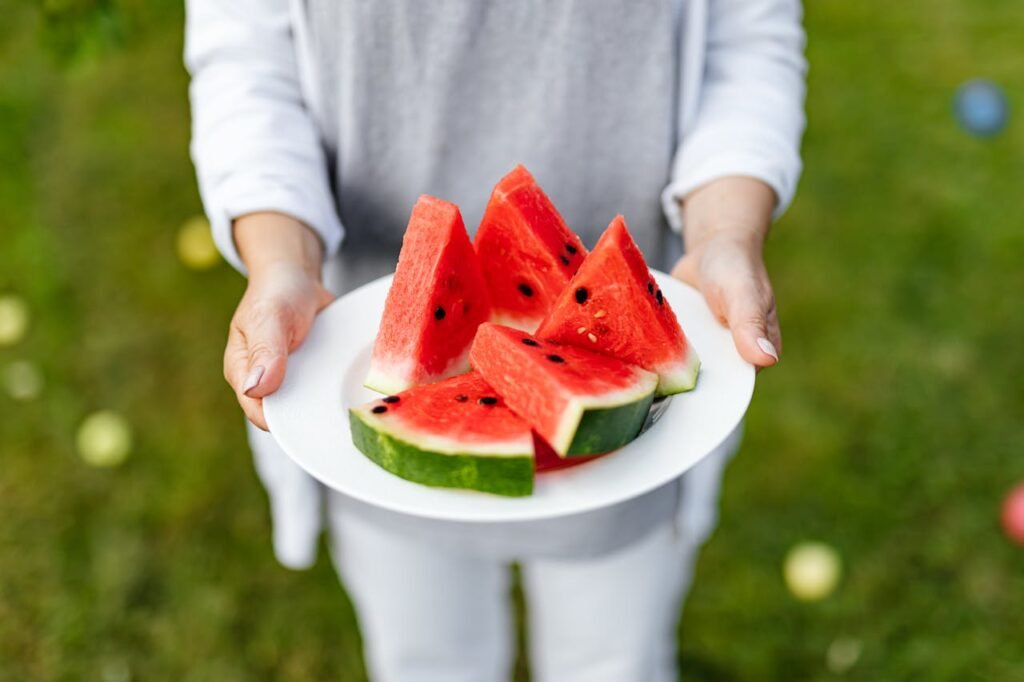
When you slice a watermelon, you typically see three distinct layers. There is the hard, green exterior skin (exocarp), the sweet pink or red flesh (endocarp), and the firm, pale white layer in between.
That white layer is the rind.
Biologically, watermelons belong to the Cucurbitaceae family, making them cousins to cucumbers, pumpkins, and squash. This relationship explains the rind’s texture; it is crunchy and mild, very similar to a raw cucumber.
While the red flesh is composed mostly of water and sugar, the rind is denser in fibre and lower in sugar. It contains a wealth of micronutrients, including Vitamin C, Vitamin B6, and Vitamin A, alongside zinc and potassium.
Crucially, the rind is the fruit’s most concentrated source of citrulline, an amino acid that plays a vital role in the body’s urea cycle and cardiovascular system.
Nutritional Profile and Benefits
Discarding the rind means throwing away valuable nutrition. The health benefits of the rind are distinct from the flesh, offering unique advantages for blood pressure, athletic performance, and metabolic health.
A Rich Source of Citrulline
The most significant compound in watermelon rind is citrulline. While the flesh contains some, the rind contains a much higher concentration.
Once ingested, your kidneys convert citrulline into another amino acid called arginine. Arginine is a precursor to nitric oxide, a molecule that signals your blood vessels to relax and dilate.
This vasodilation improves blood flow, which is why researchers link the amino acid citrulline to improved cardiovascular health.
Lowers Blood Pressure
Because citrulline helps widen blood vessels, it reduces the resistance against which your heart must pump. This mechanism can lead to lowered blood pressure readings.
Hypertension (high blood pressure) puts a strain on your heart and arteries. By naturally supporting nitric oxide production, watermelon rind acts as a gentle, food-based vasodilator.
Organisations like the British Heart Foundation emphasise the importance of diet in blood pressure management, and including nitrate-rich or citrulline-rich foods is a recognised strategy.
Enhances Athletic Performance
Athletes often use citrulline supplements to improve endurance and reduce muscle soreness. The mechanism remains the same: better blood flow means more oxygen is delivered to working muscles.
Furthermore, citrulline aids in the removal of ammonia and other toxins from the body, potentially delaying muscle fatigue during high-intensity exercise.
Evidence suggests that consuming citrulline can improve athletic performance, helping you train harder and recover faster.
Supports Sexual Health
Watermelon is sometimes playfully referred to as “nature’s Viagra.” This claim is rooted in science.
The same nitric oxide pathway that lowers blood pressure also improves blood flow to sexual organs. For men with mild erectile dysfunction, the boost in arginine derived from the rind may improve circulation necessary for function.
While it is not a replacement for medical treatment, it serves as a supportive dietary addition for libido.
High in Fibre, Low in Sugar
Unlike the sweet flesh, the rind is low in natural sugars. This makes it an excellent volume food for those monitoring their blood glucose levels.
It is also a source of dietary fibre. Fibre is essential for maintaining a healthy digestive system, regulating bowel movements, and lowering cholesterol levels.
According to the NHS, most adults do not meet the recommended dietary fibre intake of 30g per day. Eating the rind is an easy way to boost this number without adding significant calories.
Nutritional Comparison Data
Understanding the difference between the flesh and the rind helps in realising why consuming both is beneficial. The table below highlights the functional differences.
| Nutrient / Feature | Watermelon Flesh (Red) | Watermelon Rind (White) |
|---|---|---|
| Primary Texture | Soft, juicy, crisp | Firm, crunchy, dense |
| Flavour Profile | Sweet, high water content | Mild, vegetal, cucumber-like |
| Sugar Content | Moderate to High | Very Low |
| Fibre Content | Low | Moderate to High |
| Key Compound | Lycopene (Antioxidant) | Citrulline (Amino Acid) |
| Best Culinary Use | Raw snacking, salads, juice | Pickles, stir-fries, smoothies |
| Glycaemic Load | Medium | Low |
Preparation and Usage
Since the rind has a mild flavour and a hard texture, it requires different preparation methods than the flesh. It absorbs flavours readily, making it versatile in savoury dishes.
Pickled Watermelon Rind
This is the most traditional way to consume the rind. The acidity of the vinegar softens the tough fibers.
- Remove the green skin with a vegetable peeler.
- Cube the white rind.
- Boil a brine of vinegar, sugar (or sweetener), salt, and spices like cloves or cinnamon.
- Simmer the rind until translucent.
You can find excellent recipes for pickled watermelon rind from reputable culinary sources.
Smoothies and Juices
If you have a high-powered blender, you can blend the rind raw.
- Wash the fruit thoroughly.
- Cut chunks that include the red flesh and the white rind.
- Blend with mint and lime.
This method ensures you get the citrulline without noticing the fibrous texture. It helps reduce food waste while maximizing nutrition.
Stir-Fries and Curries
Treat the rind exactly as you would a courgette or bamboo shoot.
- Slice it into thin strips.
- Sauté with garlic, ginger, and soy sauce.
- The rind stays crunchy even after cooking, adding texture to Asian-inspired dishes.
This is a fantastic way to manage blood sugar levels by adding bulk to a meal without spiking insulin.
Safety and Selection
While generally safe, there are a few tips to ensure you consume the rind safely.
Pesticides and Hygiene
Because the rind is on the exterior of the fruit, it may carry pesticide residues or bacteria from the soil.
If you plan to eat the rind (even if you peel the green skin), you must wash the whole melon thoroughly under running water with a produce brush before cutting.
Ideally, opt for organic watermelons if you intend to consume the rind, though thorough washing is effective for conventional fruit.
Digestive Sensitivity
The rind is significantly higher in fibre than the flesh. If your body is not accustomed to a high-fibre diet, consuming large amounts of rind quickly may cause gas or bloating.
Start with small amounts to allow your digestive system to adjust.
Allergies
Though rare, allergies to watermelon do exist. They are often associated with pollen-food syndrome (oral allergy syndrome). If you are allergic to ragweed or latex, you may experience an itchy mouth when eating watermelon.
For more information on the general health benefits of watermelon, refer to comprehensive health guides.
Frequently Asked Questions
Can I eat the green skin?
Technically yes, but it is very tough and difficult to chew or digest. It is usually best to peel the green layer off and eat the white rind beneath, unless you are using a high-powered juicer.
Does watermelon rind taste sweet?
No. It has a flavour profile very similar to cucumber. It is crisp, fresh, and mild. It is not sweet like the red flesh, which is why it works so well in savoury salads (like slaw) or pickles.
Is it safe for people with diabetes?
Yes. In fact, the rind is safer than the flesh for blood sugar management because it contains less sugar and more fibre. However, be careful with pickled versions, as the brine often contains added sugar.
How much citrulline is in the rind?
Estimates vary, but studies suggest the rind contains more citrulline by dry weight than the flesh. To get a therapeutic dose for boost libido or athletic performance, you would need to consume a significant amount, which is why it is a healthy addition rather than a medical cure.
Does cooking destroy the nutrients?
Citrulline is relatively heat stable, so stir-frying or pickling preserves most of the amino acid content. However, water-soluble vitamins like vitamin C may degrade slightly during prolonged boiling.
The Bottom Line
Watermelon rind is a surprising, overlooked ingredient that offers substantial health benefits. By saving the rind from the bin, you gain access to a rich source of citrulline, fibre, and antioxidants.
Its ability to support heart health, lower blood pressure, and improve blood flow makes it more than just a leftover. Whether you pickle it, blend it into a smoothie, or toss it into a stir-fry, the rind is a versatile vegetable-like addition to your diet.
Next time you slice a melon, remember: the white part is just as good for you as the red. Embracing the whole fruit is a simple step toward better health and a more sustainable kitchen.