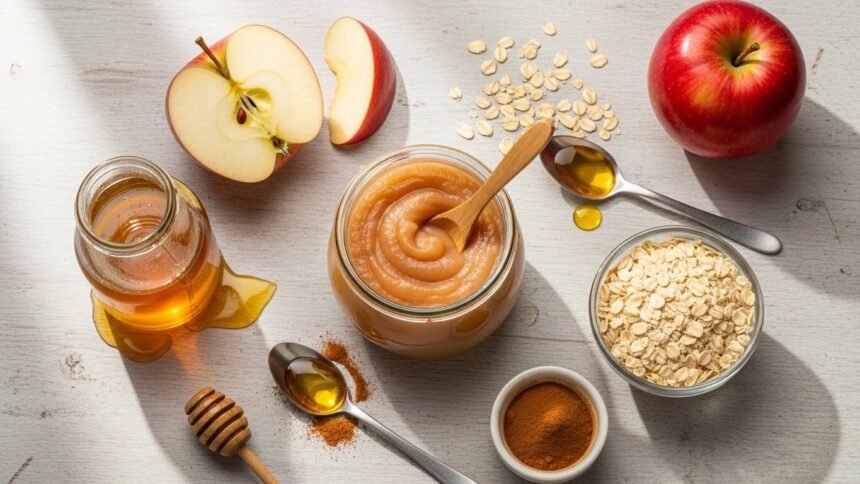
There is an age-old adage that says, “An apple a day keeps the doctor away.” However, in the world of dermatology and organic beauty, we are discovering that an apple a day might also keep the esthetician away. While consuming apples provides systemic health benefits, applying them topically in the form of a homemade apple puree face mask can be a game-changer for your skincare routine.
From brightening dull complexions to combating acne-causing bacteria, the humble apple is a powerhouse of nutrients. In this comprehensive guide, we will explore the science behind apple-based skincare, provide detailed recipes for various skin types, and discuss how to safely incorporate these natural treatments into your regimen.
The Science Behind the Fruit: Why Apples?
Before diving into the recipes, it is essential to understand why apples are so effective for the skin. It isn’t just folk wisdom; it is chemistry. Apples are rich in phytochemicals, antioxidants, and naturally occurring acids that mimic high-end skincare ingredients.
1. Malic Acid (Natural AHA)
Apples are a primary source of Malic Acid, a type of Alpha Hydroxy Acid (AHA). Unlike harsh physical scrubs that can tear the skin, AHAs work by dissolving the bonds between dead skin cells, promoting gentle exfoliation. According to the FDA, AHAs are proven to improve skin texture and reduce the appearance of surface lines.
2. Vitamin C Content
Ascorbic acid, or Vitamin C, is crucial for collagen synthesis. Apples contain significant amounts of this vitamin, which helps repair skin cells and protect against environmental damage. The Linus Pauling Institute highlights that Vitamin C is a potent antioxidant that can neutralize free radicals caused by UV exposure.
3. Quercetin and Antioxidants
The skin of the apple contains quercetin, a flavonoid with strong anti-inflammatory properties. This makes apple masks particularly useful for reducing redness and calming irritated skin.
Preparing Your Base: The Perfect Apple Puree
To create an effective homemade apple puree face mask, the quality of your base ingredient is paramount. Commercial applesauce often contains added sugars and preservatives that can clog pores. Always make your puree fresh.
The Process:
- Select Organic: Apples often appear on the “Dirty Dozen” list for pesticide residue. Use organic apples to ensure you aren’t massaging toxins into your pores.
- Core and Chop: Remove the seeds, as they contain trace amounts of amygdalin. Keep the skin on if you want the extra quercetin, or peel it for a smoother texture.
- Blend: Blitz the apple cubes in a blender. If the mixture is too dry, add a teaspoon of distilled water or rose water. Do not cook the apples, as heat can degrade the Vitamin C.
Nutrient Profile of Common Apples
Different apples serve different purposes. Below is a comparison to help you choose the right variety for your skin concern.
| Apple Variety | Acidity (Malic Acid) | Sugar Content | Best For | Benefit |
|---|---|---|---|---|
| Granny Smith | High | Low | Oily/Acne-Prone Skin | Strong exfoliation and oil control |
| Red Delicious | Low | High | Dry/Mature Skin | Hydration and antioxidant protection |
| Fuji | Medium | High | Sensitive Skin | Gentle brightening without irritation |
| Gala | Medium | Medium | Normal/Combination | Balanced toning and softening |
Data interpreted from general USDA nutritional profiles and horticultural acidity charts.
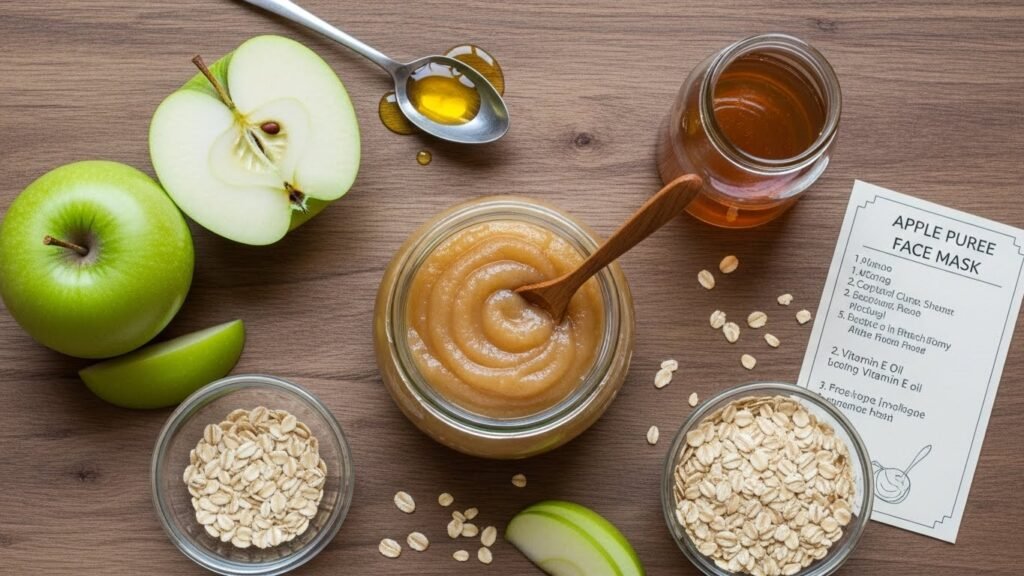
5 Homemade Apple Puree Face Mask Recipes
Here are five curated recipes designed to target specific skin issues. Ensure your face is cleansed and makeup-free before application.
1. The Hydration Hero (For Dry Skin)
Ingredients:
- 2 tbsp Apple Puree (Red Delicious)
- 1 tbsp Raw Honey
- 1 tbsp Colloidal Oatmeal
Why it works: Honey is a natural humectant, meaning it draws moisture into the skin. Research published by the NCBI confirms honey’s therapeutic and conditioning properties. Combined with colloidal oatmeal, which soothes itching and dryness, this mask restores the moisture barrier.
Instructions: Mix ingredients into a thick paste. Apply for 20 minutes. Rinse with lukewarm water.
2. The Acne Fighter (For Oily/Blemish-Prone Skin)
Ingredients:
- 2 tbsp Apple Puree (Granny Smith)
- 1 tsp Fresh Lemon Juice
- 1 tbsp Plain Greek Yogurt
Why it works: The high malic acid content in Granny Smith apples acts as an astringent. The probiotics found in yogurt can help calm inflammation and balance the skin’s microbiome, a benefit noted by Harvard Health. Lemon provides an extra dose of citric acid to dry out excess sebum.
Instructions: Apply to T-zone or acne-prone areas. Leave for 10-15 minutes. Note: Avoid lemon if you have open wounds.
3. The Glow Getter (For Dull Skin)
Ingredients:
- 2 tbsp Apple Puree
- 1 tsp Turmeric Powder
- 1 tsp Milk (Dairy or Almond)
Why it works: Turmeric is renowned for its ability to brighten skin and reduce dark spots. The lactic acid in milk works synergistically with the apple’s malic acid for a double-exfoliation effect that reveals fresh, glowing skin.
Instructions: Apply carefully (turmeric can stain clothing). Leave for 15 minutes. Rinse thoroughly.
4. The Anti-Aging Elixir (For Mature Skin)
Ingredients:
- 2 tbsp Apple Puree
- 1 Egg White
- 1 tsp Grapeseed Oil
Why it works: Egg whites provide a temporary tightening effect, while grapeseed oil delivers Vitamin E. This combination helps firm the skin and reduce the appearance of fine lines.
Instructions: Whisk the egg white until frothy before folding in the apple puree. Apply and let dry until you feel a tightening sensation. Rinse gently.
5. The Soothing Salve (For Sensitive Skin)
Ingredients:
- 2 tbsp Apple Puree (Fuji or Gala)
- 1 tbsp Cucumber Puree
- 1 tsp Aloe Vera Gel
Why it works: Sensitive skin requires a gentle touch. According to the American Academy of Dermatology, avoiding harsh chemicals is key for sensitive types. Cucumber and Aloe Vera are cooling agents that reduce redness, while the sweet apple provides mild nourishment without the sting of high acidity.
Instructions: Blend apple and cucumber together. Mix in Aloe. Apply for 15-20 minutes.
Safety First: Precautions and Tips
While natural ingredients are generally safer than synthetic chemicals, they are not void of risks. Here is how to use your homemade apple puree face mask safely.
- The Patch Test: Before applying any mask to your face, perform a patch test on your inner forearm. Wait 24 hours to ensure no allergic reaction occurs.
- Photosensitivity: Masks containing citrus (like the Acne Fighter recipe) can increase photosensitivity. Always apply sunscreen if you are going outside after using these treatments.
- Oxidation: Apples brown quickly due to oxidation. Use the mask immediately after preparation. Do not store leftovers for more than 24 hours in the refrigerator.
- Frequency: Do not over-exfoliate. Using an AHA-rich apple mask 1-2 times a week is sufficient. Overuse can damage the skin barrier.
Conclusion
Achieving radiant skin doesn’t always require a trip to the luxury cosmetics counter. With a few simple ingredients from your kitchen, you can harness the power of nature to rejuvenate your complexion. A homemade apple puree face mask offers a versatile, cost-effective, and chemical-free alternative to commercial products, providing your skin with the essential vitamins and acids it craves.
Whether you are looking to hydrate, exfoliate, or brighten, there is an apple recipe for you. So, the next time you pick up a crisp apple, set one aside for your self-care routine—your skin will thank you for it.
Ready to transform your skincare routine? Try one of these recipes tonight and share your glow with us on social media!