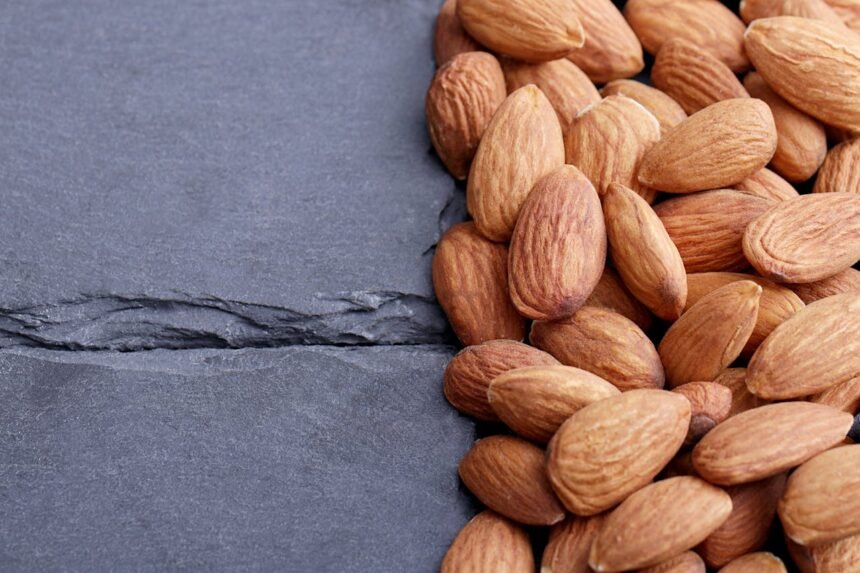
Almonds are among the world’s most popular tree nuts, celebrated for their impressive nutrient profile and versatility in the kitchen. Whether consumed as a quick snack, blended into milk, or ground into flour, they are a staple in many heart-healthy diets. However, a common debate persists regarding their preparation: should you eat the skin or peel it off?
Commercially, almonds are available in two primary forms: raw (with the brown skin intact) and blanched (skin removed). While the creamy white interior of a blanched almond offers a smoother texture and a milder flavor preferred for certain baked goods like macarons, removing the skin may strip the nut of specific health-promoting compounds. Conversely, some individuals worry about antinutrients like phytic acid found in the skin, which can interfere with mineral absorption.
This article explores the nutritional differences between unpeeled and blanched almonds, analyzes the impact of the skin on gut health and antioxidant capacity, and provides an evidence-based verdict on how best to consume them.
Quick Facts
- Nutrient Density: Almond skins contain a high concentration of fiber and phenolic compounds.
- Antioxidants: The skin is rich in flavonoids that may work synergistically with Vitamin E to prevent cholesterol oxidation.
- Digestibility: The skin contains phytic acid, which can slightly inhibit mineral absorption, though this is rarely an issue for those with a balanced diet.
- Culinary Use: Blanched almonds are preferred for texture in baking, while raw almonds are superior for snacking and fiber intake.
- Gut Health: Components in the skin act as prebiotics, feeding beneficial gut bacteria.
The Nutritional Profile of Almond Skins
To understand the value of the skin, one must look at what is lost during the blanching process. Blanching involves scalding the almonds in boiling water to loosen the skin, which is then peeled away. While the macronutrient profile (fat, protein, and carbohydrates) remains largely similar between raw and blanched nuts, the micronutrient and phytochemical content shifts significantly.
According to the USDA National Nutrient Database, almonds are a powerhouse of healthy monounsaturated fats, protein, and magnesium. However, the brown skin is where a significant portion of the total dietary fiber resides. Removing the skin can slightly reduce the total fiber content, which is essential for maintaining regular digestion and blood sugar control.
For a deeper dive into fiber’s role in the body, read our guide on fiber-rich foods and how they impact satiety.
Antioxidants and Polyphenols
The most compelling argument for eating almond skins lies in their antioxidant content. The brown skin is rich in polyphenols, specifically flavonoids, which are plant compounds that help protect cells from oxidative damage. These include catechin, epicatechin, kaempferol, and isorhamnetin—compounds also found in green tea and broccoli.
Research published in the Journal of Nutrition suggests that there is a synergistic effect between the flavonoids in almond skin and the Vitamin E found in the meat of the nut. Together, they have been shown to prevent the oxidation of LDL (bad) cholesterol more effectively than Vitamin E alone. Oxidized LDL is a key risk factor for heart disease, making this combination a potent tool for cardiovascular health.
If you are interested in boosting your intake of protective compounds, check out our article on how antioxidants fight free radicals.
Gut Health and Prebiotic Potential
Emerging research indicates that almond skins may play a vital role in microbiome health. The human gut is home to trillions of bacteria, and the balance between “good” and “bad” microbes influences everything from immunity to mood. The fiber and polyphenols in almond skins function as prebiotics—fuel for beneficial bacteria.
A study conducted by the Institute of Food Technologists found that consuming almonds with their skins significantly increased the populations of Bifidobacteria and Lactobacillus in the gut. These bacterial strains are associated with improved digestion and a stronger immune system. By peeling the almonds, you remove the very substrate that these beneficial microbes thrive on.
For those struggling with digestive issues, understanding gut health essentials is crucial for long-term wellness.
The Antinutrient Debate: Phytic Acid
Despite the benefits, some health enthusiasts advocate for removing the skin to reduce antinutrients, specifically phytic acid (phytate). Phytic acid is a substance found in plant seeds that impairs the absorption of iron, zinc, and calcium. It creates a barrier that can make these minerals less bioavailable to the body.
However, for the majority of people eating a varied diet, the phytic acid in almonds is not a cause for concern. The National Institutes of Health (NIH) notes that while phytates reduce absorption during that specific meal, they do not cause nutrient deficiencies unless the diet relies heavily on nutrient-poor grains and legumes without variety.
Furthermore, phytic acid acts as an antioxidant in its own right and may have protective effects against kidney stones and calcification. Unless you have a specific mineral deficiency or a highly restrictive diet, the pros of the skin usually outweigh the cons. For more on managing dietary inhibitors, read about soaking nuts to reduce phytates.
Pesticides and Contaminants
Another consideration regarding the skin is the presence of pesticide residues. Because the skin is the outermost layer, it is the first line of defense against environmental sprays. Conventionally grown almonds may carry traces of pesticides on their skins.
The Environmental Working Group (EWG) monitors pesticide levels in produce. While almonds generally do not top the “Dirty Dozen” list due to their hard outer shell (the hull) which is removed during harvest, the skin can still retain some residue. If this is a concern, opting for certified organic almonds is a safer choice. This allows you to consume the nutrient-dense skin without the chemical load.
Learn more about making cleaner food choices in our guide to reducing pesticide exposure in your diet.
Culinary Considerations: Texture and Flavor
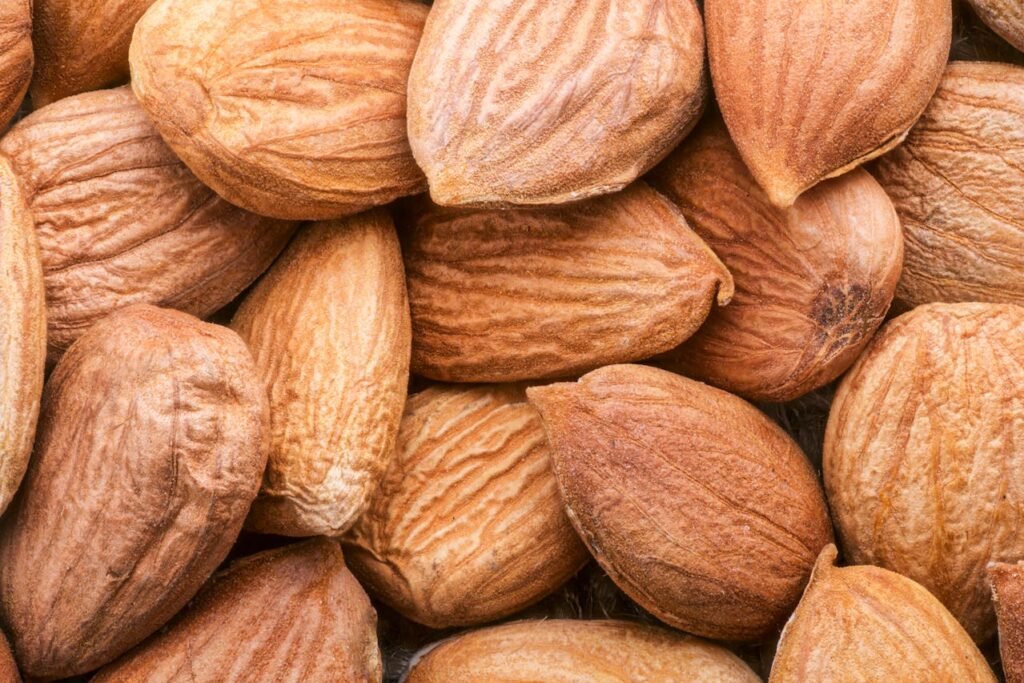
From a culinary standpoint, the decision to peel often comes down to texture and aesthetics rather than nutrition. The skin has a slight bitterness and a fibrous texture that can be undesirable in delicate desserts.
When to Use Blanched Almonds
- Almond Flour: For light, fluffy cakes, “super-fine” almond flour made from blanched almonds is necessary. Almond meal (made from unpeeled nuts) is heavier. See our comparison of almond flour vs. coconut flour for baking tips.
- Almond Milk: While you can make milk with raw almonds, blanched almonds produce a whiter, smoother milk without the grit of the skin.
- Digestion Sensitivity: For individuals with gastroparesis or severe IBS, the fibrous skin might be difficult to digest. In these cases, prioritizing digestive comfort via blanched nuts is appropriate.
When to Keep the Skin
- Snacking: Roasted or raw almonds with skin offer a satisfying crunch and higher satiety.
- Nut Butters: Leaving the skin on creates a rustic almond butter with a deeper flavor profile.
- Smoothies: High-speed blenders can pulverize the skin, allowing you to keep the nutrients without noticing the texture.
Antimicrobial Properties
Interestingly, almond skins may offer defense mechanisms beyond antioxidants. Research highlighted by the American Society for Microbiology suggests that natural chemicals in almond skins may stimulate the immune system’s response to viral infections. While this research is still developing, it points to the skin being a biologically active component of the nut, rather than just a protective wrapper.
To support your body’s natural defenses, consider incorporating other immune-boosting foods alongside your daily serving of nuts.
How to Remove Almond Skins (If You Must)
If you decide that blanched almonds are better suited for your recipe or digestive needs, you can remove the skins at home without buying pre-processed versions, which are often more expensive.
- Boil Water: Bring a small pot of water to a rolling boil.
- Blanch: Add raw almonds to the water for exactly 60 seconds. Do not leave them longer, or they will soften.
- Cool: Drain immediately and rinse under cold water to stop the cooking process.
- Peel: Squeeze the almond; the skin should slip right off.
- Dry: Let them air dry completely before roasting or grinding.
If you enjoy preparing your own healthy snacks, check out our list of easy homemade snack ideas.
Comparative Analysis of Almond Forms
It is helpful to view the almond not just as a calorie source, but as a complex matrix of nutrients. The World Health Organization (WHO) recommends nut consumption as part of a healthy diet to combat noncommunicable diseases. Whether the almond is peeled or not, it remains a healthy food, but the skin optimizes its potential.
High levels of Vitamin E are critical for skin and eye health. While the meat provides the Vitamin E, the skin protects it. You can read more about top sources of Vitamin E to ensure you are meeting your daily requirements.
A study in the Mayo Clinic Proceedings emphasizes that tree nut consumption is inversely associated with obesity. The fiber in the skin contributes to this by slowing gastric emptying. If you are focused on weight management, omitting the skin might slightly reduce the satiating effect of the snack.
The Bottom Line
So, should you peel your almonds or eat them as nature intended?
For the vast majority of people, eating almonds with the skin on is the superior choice. The skin is a dense source of fiber, antioxidants, and antimicrobial compounds that work synergistically with the nutrients inside the nut to bolster heart health and immunity. The potential downsides of phytic acid are minimal for those with a balanced diet, and the prebiotic benefits for the gut microbiome are significant.
However, if you require a specific texture for baking, have a sensitive digestive tract, or are strictly limiting dietary phytates due to mineral deficiencies, blanched almonds remain a highly nutritious option. They still deliver healthy fats, protein, and magnesium.
Ultimately, the “best” almond is the one you enjoy and eat consistently. Whether raw, roasted, or blanched, almonds are a smart addition to a wellness-focused lifestyle. For more tips on integrating nuts into a balanced diet, explore our guide on the comprehensive benefits of almonds.
Always consult with a healthcare professional or dietitian before making significant changes to your diet, especially if you have kidney concerns or a history of oxalate stones. For authoritative guidance on dietary guidelines, visit the CDC Nutrition website or the American Heart Association.