If you have ever spent the night staring at the ceiling, counting sheep, or constantly adjusting your pillows, you understand the sheer frustration of insomnia. Sleep deprivation affects every aspect of your life, from your mood and concentration to your immune system and physical health.
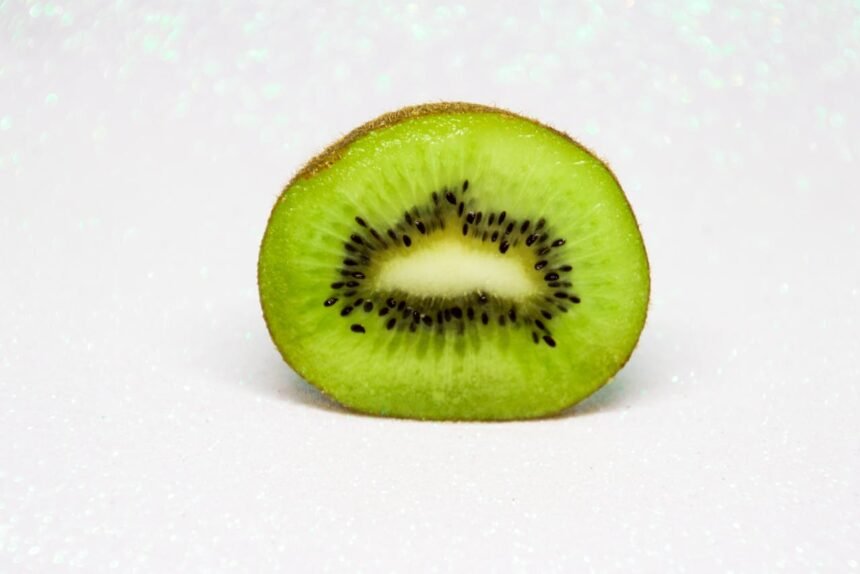
While many people turn to over-the-counter medications or supplements like melatonin, there is a growing interest in natural, food-based remedies. You might have heard about warm milk or chamomile tea, but there is a fuzzy, green contender gaining significant attention in the scientific community: the kiwifruit.
Surprisingly, eating kiwi before bed is emerging as a legitimate, science-backed strategy for better rest. It sounds almost too simple to be true, yet early research is incredibly promising for those struggling to drift off.
In this article, we analyse the nutritional properties of kiwifruit, the scientific evidence supporting its sleep benefits, and how you can incorporate it into your nightly routine to finally get the rest you deserve.
The Science Behind Kiwifruit and Sleep
For years, kiwifruit has been celebrated for its impressive vitamin C content and digestive benefits. However, its potential as a sleep aid is a relatively newer discovery that has piqued the interest of sleep researchers globally.
The most cited research regarding kiwis and sleep comes from a study conducted by Taipei Medical University. Researchers found that participants who consumed two kiwifruits one hour before bedtime for four weeks saw significant improvements in their sleep quality.
According to the National Library of Medicine, the study participants fell asleep 42% faster than they did prior to the experiment. Furthermore, their total sleep time increased by 13%, and their sleep efficiency improved by 5%. While more extensive research is always needed, these statistics are compelling for anyone seeking a natural solution to sleep disturbances.
The Role of Serotonin
To understand why eating kiwi before bed helps, we must look at brain chemistry. Kiwifruit is naturally rich in serotonin.
Serotonin is a critical neurotransmitter often referred to as the ‘happy chemical’ because it helps regulate mood. However, it also plays a vital role in the sleep-wake cycle. Serotonin is a precursor to melatonin, the hormone that signals to your body that it is time to sleep.
Low levels of serotonin can lead to insomnia and fragmented sleep. By consuming foods high in serotonin, like kiwis, you may be naturally boosting your body’s ability to produce melatonin at the right time.
Antioxidants and Inflammation
There is a strong link between oxidative stress and sleep disorders. High levels of inflammation in the body can disrupt sleep patterns, making it difficult to fall asleep or stay asleep.
Kiwis are packed with antioxidants, specifically vitamin C and vitamin E. In fact, a single kiwi contains more vitamin C than an orange. These antioxidants help combat free radicals and reduce inflammation.
Research highlighted by Medical News Today suggests that anti-inflammatory diets are often associated with better sleep quality. The theory is that by reducing oxidative stress, you create a more favourable internal environment for restorative rest.
Folate Deficiency and Insomnia
Another nutrient found in abundance in kiwis is folate (vitamin B9). While often associated with pregnancy, folate is essential for brain health.
According to the NHS, a deficiency in folate can lead to fatigue and has been linked to restless legs syndrome, a common barrier to quality sleep. Ensuring adequate folate intake can prevent these issues, promoting a calmer physical state before bed.
Diagnosis and Treatment: When to Eat Kiwi
While kiwifruit is not a medical ‘treatment’ for chronic insomnia in the pharmaceutical sense, it can be an effective part of a dietary approach to sleep management.
If you are diagnosing your own sleep issues, it is important to rule out underlying conditions like sleep apnoea. However, for general sleep latency (trouble falling asleep), dietary adjustments are a safe first step.
The Optimal Timing
Timing is crucial when using food as a sleep aid. Eating a heavy meal right before bed can cause indigestion, which keeps you awake. However, a light, nutrient-dense snack is different.
The study mentioned earlier suggests that the sweet spot is one hour before bedtime. This gives your body enough time to digest the fruit and begin absorbing the necessary nutrients without causing acid reflux or bloating.
Recommended Dosage
The standard recommendation based on current research is two medium-sized kiwis. This portion provides a potent dose of serotonin and antioxidants without overloading your system with sugar or fibre immediately before lying down.

Nutritional Breakdown of Kiwifruit
Understanding exactly what you are putting into your body can help you appreciate why this fruit is a powerhouse for sleep. Below is a breakdown of the key sleep-supporting nutrients found in a standard serving of two kiwifruits.
| Nutrient | Approx. Amount (2 Kiwis) | Benefit for Sleep |
|---|---|---|
| Serotonin | 6 µg/g (concentration) | Precursor to melatonin; regulates sleep cycle. |
| Vitamin C | 130-150 mg | Reduces oxidative stress; improves sleep duration. |
| Folate | 60 mcg | Prevents restlessness; supports brain function. |
| Potassium | 430 mg | Helps muscle relaxation; reduces cramping. |
| Fibre | 4-5 g | Promotes steady blood sugar, preventing wake-ups. |
Tips for Management: Creating a Sleep-Friendly Routine
Simply eating kiwi before bed may not be a magic bullet if your overall sleep hygiene is poor. To maximise the benefits of this fruit, you should integrate it into a broader sleep management plan.
1. Pair with Other Sleep-Inducing Foods
While kiwi is powerful, you can enhance its effects by pairing it with other magnesium-rich or tryptophan-rich foods. For example, eating your kiwi alongside a handful of almonds or a small glass of warm milk can create a synergistic effect.
The Sleep Foundation notes that magnesium helps relax muscles, which complements the serotonin boost from the kiwi.
2. Monitor Your Sugar Intake
Kiwis contain natural fructose. While they are low on the glycaemic index compared to other fruits, if you are extremely sensitive to sugar or have diabetes, you should monitor your blood glucose response.
A sudden spike and drop in blood sugar can wake you up in the middle of the night. Eating the skin of the kiwi (which is edible!) adds extra fibre, which slows down sugar absorption.
3. Consistency is Key
Natural remedies rarely work overnight. In the Taipei Medical University study, participants ate kiwis nightly for four weeks before the full benefits were recorded.
Commit to the routine for at least a month. Make it a ritual. The psychological act of preparing your pre-bed snack can also signal to your brain that the day is over.
4. Improve Your Environment
Diet is only one piece of the puzzle. Ensure your bedroom is cool, dark, and quiet. The British Heart Foundation recommends keeping devices out of the bedroom to avoid blue light exposure, which can counteract the melatonin production you are trying to support with your diet.
Frequently Asked Questions
Q: Can I eat the skin of the kiwi?
A: Yes, absolutely. The skin is rich in fibre and antioxidants. Just ensure you wash the fruit thoroughly to remove any pesticides or debris. Some people find the texture fuzzy, so you can brush it or choose ‘Gold’ varieties which have smoother skin.
Q: Is Gold or Green kiwi better for sleep?
A: Both varieties are excellent, but green kiwis tend to have slightly higher serotonin concentrations and more fibre. Gold kiwis are higher in Vitamin C. For sleep specifically, green kiwis are often the preferred choice in studies.
Q: Are there any risks to eating kiwi before bed?
A: For most people, it is very safe. However, kiwifruit is a common allergen. If you experience itching in the mouth or throat, stop immediately. Additionally, if you suffer from severe acid reflux, the acidity of the fruit might aggravate it if eaten right before lying flat.
Q: Can I drink kiwi juice instead?
A: Whole fruit is always superior due to the fibre content. Juice causes a faster blood sugar spike, which might lead to a crash later in the night. Stick to the whole fruit if possible.
Q: How does kiwi compare to tart cherry juice?
A: Tart cherry juice is another well-researched sleep aid. As per Healthline, both are effective. Kiwi is often cheaper, easier to find, and provides fibre that juice lacks.
The Bottom Line
Sleep is the foundation of good health, and struggling to get enough of it can be debilitating. While medical interventions are necessary for severe sleep disorders, dietary changes offer a safe, natural, and accessible way to improve your rest.
Eating kiwi before bed is more than just an old wives’ tale. Backed by scientific studies, the unique combination of serotonin, antioxidants, and folate found in this fruit makes it a potent tool for improving sleep onset and duration.
If you are looking for a simple habit to add to your evening routine, try eating two kiwis an hour before sleep tonight. It is a small change that could make a massive difference to your energy, mood, and long-term health.
For more advice on healthy living and diet, you can always consult resources like GOV.UK or speak to your GP about persistent sleep issues.
Always consult with a healthcare professional before making drastic changes to your diet, especially if you have pre-existing conditions or are taking medication.