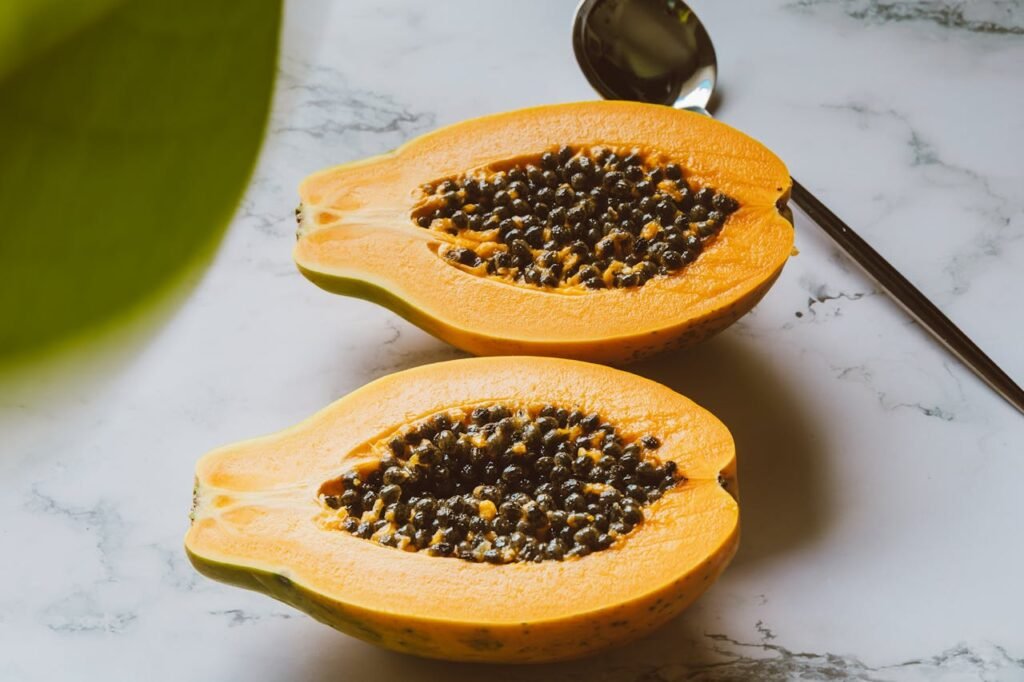
Starting your day with a nutritious meal sets the tone for your energy levels, mood, and digestion. For many, the quest for the perfect morning routine involves warm lemon water, oats, or smoothies. However, eating papaya on an empty stomach has gained popularity as a powerful way to kickstart digestive health and boost immunity.
This tropical fruit, known for its vibrant orange colour and sweet, buttery texture, is more than just a delicious treat. It is a nutritional powerhouse packed with vitamins, minerals, and unique enzymes. But is consuming it first thing in the morning truly beneficial, or is it better saved for dessert? The timing of fruit consumption is a topic often debated in wellness circles.
Advocates suggest that eating papaya before other foods allows for optimal absorption of its nutrients and enzymes. By understanding the specific interactions between the bioactive compounds in papaya and your digestive system, you can make informed choices about your diet. In this article, we explore the science behind this practice, its potential benefits, and important safety considerations.
Nutritional Power of Papaya
Before diving into the timing of consumption, it is essential to understand what you are putting into your body. Papaya, scientifically known as Carica papaya, is rich in essential nutrients that support overall health. A single serving provides a significant amount of your daily requirement for Vitamin C, Vitamin A, and folate.
Moreover, papaya is celebrated for its enzyme content. The most notable enzyme is papain. This proteolytic enzyme helps break down proteins into smaller protein fragments called peptides and amino acids. This mechanism is why papaya is often used as a natural meat tenderiser. When consumed, these enzymes can assist the body’s natural digestive processes, potentially reducing symptoms of bloating and constipation.
According to the NHS Live Well guide, fresh fruit is a vital component of a balanced diet. Incorporating nutrient-dense options like papaya can contribute significantly to your 5 A Day. The fruit is also high in water content and fibre, which are crucial for maintaining hydration and bowel regularity.
Potential Benefits of Morning Consumption
Eating papaya on an empty stomach may amplify its health benefits. When the stomach is empty, the digestive system can process the fruit more rapidly, allowing for quicker absorption of sugars and vitamins. Here are the primary benefits associated with this morning habit.
1. Improved Digestion and Reduced Bloating
One of the most compelling reasons to eat papaya in the morning is its impact on digestion. The enzyme papain acts swiftly to break down proteins from your previous meals or the breakfast that follows. Research published in PubMed Central indicates that papaya preparations can significantly improve constipation and bloating in people with gastrointestinal dysfunction.
Starting the day with papaya may help clear the digestive tract. The high fibre content adds bulk to stools, promoting regular bowel movements. For those who struggle with sluggish digestion in the morning, this fruit can act as a gentle, natural laxative.
2. Boosted Immune System
Your immune system relies heavily on adequate Vitamin C intake. Surprisingly, papaya contains more Vitamin C than oranges. Consuming it first thing in the morning ensures your body receives a potent dose of antioxidants early in the day. These antioxidants combat free radicals, reducing oxidative stress and lowering inflammation.
As highlighted by Healthline, the combination of Vitamin C and Vitamin A makes papaya an excellent choice for immune support. This is particularly beneficial during colder months or flu season.
3. Blood Sugar Regulation
Despite its sweet taste, papaya has a medium Glycaemic Index (GI). The fibre in the fruit helps slow the absorption of sugar into the bloodstream. For individuals monitoring their blood glucose, moderate consumption of fresh papaya can be a safe choice compared to other high-sugar breakfast items like pastries or cereals.
Information from Diabetes UK suggests that managing portion sizes is key, but whole fruits are generally encouraged over fruit juices due to their fibre content. Eating it on an empty stomach prevents the insulin spikes associated with refined sugars.
4. Skin Health and Anti-Ageing
The nutrients in papaya do not just work internally; they manifest externally as well. The high levels of Vitamin C and lycopene in papaya protect the skin and may reduce signs of ageing. Lycopene is a carotenoid that defends the skin against damage from visible light and improves skin elasticity.
A study referenced in the British Journal of Nutrition has shown that dietary carotenoids contribute to skin defence. Starting your day with these nutrients ensures your skin cells are nourished from the inside out.
Comparison: Papaya vs. Other Breakfast Fruits
To help you decide if papaya is the right morning choice for you, we have compared it with other common breakfast fruits based on key digestive factors.
| Feature | Papaya | Banana | Green Apple | Orange |
|---|---|---|---|---|
| Primary Enzyme | Papain (Protein digestion) | Amylase (Starch digestion) | Pectin (Fibre) | Citric Acid |
| Acidity Level | Low to Medium | Low | Medium | High |
| Sugar Content | Moderate | High | Moderate | Moderate |
| Best For | Bloating & Constipation | Energy Boost | Weight Management | Vitamin C Boost |
| Empty Stomach? | Excellent | Good (but high sugar) | Good | Caution (Acid reflux) |
Important Considerations and Risks
While papaya is beneficial for most, it is not suitable for everyone. Certain conditions require caution, particularly when consuming the fruit on an empty stomach when its effects might be more pronounced.
Latex Allergies
Papayas contain chitinases, which are associated with the latex-fruit allergy syndrome. If you are allergic to latex, you may experience a cross-reaction when eating papaya. Symptoms can range from mild itching in the mouth to more severe anaphylaxis. If you have a known latex allergy, consult a GP before adding papaya to your diet.
Pregnancy and Unripe Papaya
This is a critical safety note. Fully ripe papaya is generally considered safe during pregnancy. However, unripe or semi-ripe papaya contains a high concentration of latex. This latex can induce uterine contractions, potentially leading to early labour or miscarriage.
The NHS advises pregnant women to be cautious with certain foods. Whilst ripe papaya is not explicitly banned, it is vital to ensure the fruit is fully yellow and devoid of green skin. To be safe, many women choose to avoid it entirely during pregnancy.
Gastrointestinal Sensitivity
Although papaya aids digestion, the high fibre and fructose content can trigger issues for those with Irritable Bowel Syndrome (IBS). According to the British Nutrition Foundation, sudden increases in fibre intake can temporarily cause gas and cramping. Introduce it slowly into your morning routine.
Tips for Selecting and Preparing Papaya
To maximise the benefits, you must select the right fruit. Here is how to ensure quality and safety:
- Look for Colour: A ready-to-eat papaya should have skin that is turning from green to yellow. The skin should yield slightly to pressure, similar to a ripe avocado.
- Check the Scent: Ripe papayas have a sweet, musky aroma near the stem. If it has no smell, it is likely unripe. If it smells fermented, it is overripe.
- Preparation: Wash the fruit thoroughly under running water. Cut it lengthwise and scoop out the seeds. While the seeds are edible and have a peppery taste, they are potent and should be eaten in moderation.
- Serving: Squeeze a little lime juice over the flesh. This not only enhances the flavour but also adds an extra kick of Vitamin C and aids alkalisation.
For further reading on maintaining a balanced diet, the GOV.UK Eatwell Guide offers comprehensive advice on fruit and vegetable consumption.
Frequently Asked Questions
Can I drink water immediately after eating papaya?
It is generally recommended to wait 30 minutes after eating fruit before drinking water. Drinking water immediately may dilute digestive enzymes and gastric juices, potentially slowing down the digestion process.
Is papaya good for weight loss?
Yes. Papaya is low in calories and high in fibre. This combination promotes satiety, helping you feel fuller for longer, which can prevent overeating later in the day. It is a smart swap for calorie-dense breakfast foods.
Are papaya seeds safe to eat?
Yes, but in small quantities. They contain varying levels of toxins and are very high in fibre. They have a strong, bitter, peppery flavour. Some studies suggest they have anti-parasitic properties, but more research is needed.
How much papaya should I eat?
A standard portion is roughly one cup of cubed fruit or one medium slice. The British Heart Foundation reminds us that portion control is essential, even with healthy foods, to manage sugar intake.
The Bottom Line
Eating papaya on an empty stomach is a scientifically supported habit that can improve digestion, reduce bloating, and provide a substantial boost to your immune system. The enzyme papain serves as a powerful digestive aid, making your morning routine more efficient.
However, it is crucial to listen to your body. If you have a latex allergy or are pregnant, proceed with caution or consult a healthcare professional. For the majority of people, incorporating a slice of ripe papaya into their morning ritual is a refreshing, low-calorie way to support overall health.
Always prioritise variety in your diet. While papaya is excellent, rotating it with other fruits like berries or apples ensures a broader intake of phytonutrients. If you are unsure about dietary changes, resources like BBC Good Food offer excellent nutritional breakdowns to guide you.