For many of us, the way we live is defined by our commitment to sustainability. From reducing plastic waste to eating plant-based meals, we strive to minimise our environmental impact. However, have you ever considered the carbon footprint of your final departure? An eco burial, often referred to as a green funeral, offers a gentle, restorative alternative to traditional practices, ensuring that your legacy is one of environmental stewardship.
Traditional burial and cremation methods can be resource-intensive and involve chemicals that disrupt local ecosystems. In contrast, an eco burial focuses on simplicity, using biodegradable materials to allow the body to return to the earth naturally. This movement is gaining momentum across the UK as more people seek a return to nature that aligns with their lifelong values.
What Exactly is an Eco Burial?
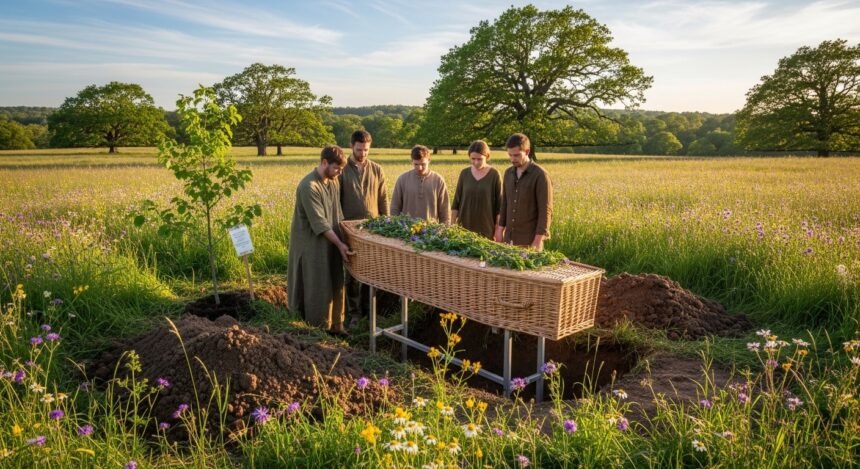
An eco burial is a method of interment designed to have the least possible impact on the environment. This typically means forgoing the standard embalming process, which utilises formaldehyde and other harsh chemicals. Instead, the body is prepared in a chemical-free manner and placed in a biodegradable casket or a simple shroud burial.
These ceremonies often take place in natural burial grounds, such as wildflower meadows or protected woodlands. Rather than a granite headstone, graves are often marked by memorial trees or simple, flat stones that blend into the landscape. This approach supports sustainable deathcare by preserving land and encouraging local biodiversity.
Key Elements of a Green Funeral
- No Embalming: Avoiding toxic fluids that can leach into the soil.
- Natural Materials: Using a wicker coffin, bamboo, or recycled cardboard.
- Conservation Focus: Choosing sites that contribute to conservation burial efforts.
- Local Sourcing: Selecting flowers and materials from the immediate area to reduce transport emissions.
The Environmental Impact: Why Make the Switch?
The traditional funeral industry has a significant ecological cost. According to environmental studies, traditional burials in the UK use thousands of tonnes of steel, concrete, and precious hardwoods every year. Furthermore, cremation—though often thought of as “greener”—requires a vast amount of energy and releases carbon dioxide and mercury into the atmosphere.
By opting for a forest cemetery or a meadow site, you are participating in a cycle of renewal. Research shared by the Mayo Clinic suggests that connecting with nature can also provide profound psychological comfort to grieving families, making the process of saying goodbye feel more peaceful and grounded.
| Feature | Traditional Burial | Eco Burial |
|---|---|---|
| Casket Material | Hardwood, metal, or veneer | Wicker, wool, or cardboard |
| Embalming | Commonly used (Formaldehyde) | Prohibited (Chemical-free) |
| Grave Marker | Polished stone headstone | Native tree or natural stone |
| Land Use | Manicured lawns (Resource heavy) | Nature reserves (Supports wildlife) |
Innovative Cremation Alternatives
While many prefer the idea of being buried in a forest cemetery, others look for cremation alternatives that are kinder to the planet. One emerging technology is aquamation (alkaline hydrolysis), which uses water and alkalinity to accelerate natural decomposition. This process has a significantly lower carbon footprint than flame-based cremation.
Another fascinating development is the mushroom suit (or infinity burial suit). This garment is infused with fungal spores that help decompose the body and neutralise toxins, turning remains into nutrient-rich soil. These options represent the cutting edge of environmentally friendly deathcare.
How to Plan an Eco-Friendly Farewell
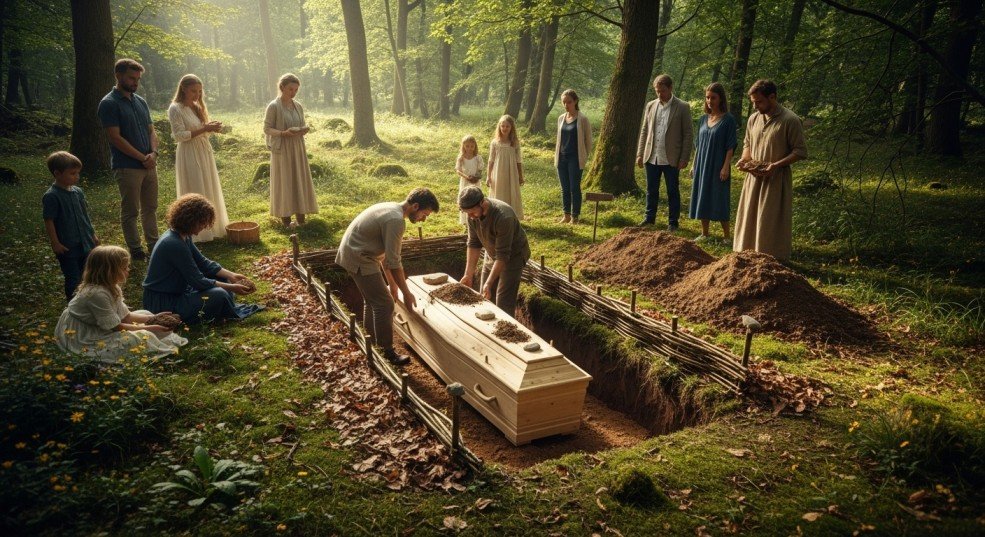
Organising an eco burial requires a bit more research than a standard service, but the results are incredibly personal and rewarding. Here is a step-by-step guide to help you through the process:
- Find a Natural Burial Ground: Use resources like the Woodland Trust or the National Trust to find sites that offer green interments.
- Choose a Biodegradable Vessel: Look for a wicker coffin or a shroud made from organic cotton or silk. Check that it meets the standards set by the Green Burial Council.
- Skip the Embalming: Inform your funeral director early that you wish to avoid chemical preservation. Most NHS end-of-life care advisors can guide you toward compassionate providers who respect these wishes.
- Keep it Simple: Opt for digital invitations and ask for donations to environmental charities instead of cut flowers, which often involve pesticides and plastic packaging.
Legal and Practical Considerations in the UK
In the UK, the law is surprisingly flexible regarding how we are buried. According to government guidelines, you do not actually need a coffin for burial, provided the body is properly covered. However, natural burial grounds usually have their own specific rules to protect the local flora and fauna.
It is important to ensure that the chosen site has the correct planning permission and is managed sustainably. Many sites are overseen by the Natural Burial Association, ensuring they remain protected green spaces for generations to come. This helps prevent the land from being repurposed for development, effectively acting as a permanent wildlife sanctuary.
Finding Peace in Nature
Choosing an eco burial isn’t just about environmental statistics; it is about the emotional and spiritual connection to the world around us. Experts at Psychology Today note that the “living memorial” of a growing tree or a field of flowers can offer a more positive focus for grieving families than a traditional graveyard.
Whether you are interested in a shroud burial beneath an oak tree or exploring the latest in aquamation, your choice contributes to a healthier planet. By embracing sustainable deathcare, we ensure that our final act on Earth is one of healing and growth.
Frequently Asked Questions (FAQs)
Is an eco burial more expensive than a traditional one?
Generally, an eco burial can be more cost-effective. Because you are avoiding expensive materials like hardwood, lead linings, and chemical embalming, the overall cost is often lower. However, prices vary depending on the location of the natural burial grounds and the type of biodegradable casket chosen.
Can I have a religious ceremony with a green funeral?
Absolutely. Most green burial sites are non-denominational and welcome all faiths or secular services. You can work with your religious leader to ensure the ceremony respects both your spiritual traditions and your environmental values. For more on spiritual support, visit The Church of England or your local community centre.
Will my body decompose safely in the soil?
Yes. When a body is buried at a shallower depth (as is common in conservation burial), there is more oxygen and microbial activity in the soil, which facilitates natural decomposition. According to the Environmental Protection Agency, when done correctly, this process is safe and poses no risk to groundwater or public health.
Can I plant any tree I want as a memorial?
Usually, natural burial grounds have a list of approved native species, such as oak, birch, or rowan. This ensures that the memorial trees support the local ecosystem and don’t introduce invasive species. Check with the Royal Horticultural Society for advice on native UK plants that thrive in different soil types.
What happens to the land in the future?
Most reputable green burial sites have legal protections in place to ensure the land remains a nature reserve or woodland indefinitely. This is a core part of the sustainable deathcare movement, ensuring your final resting place contributes to long-term carbon sequestration and habitat preservation.