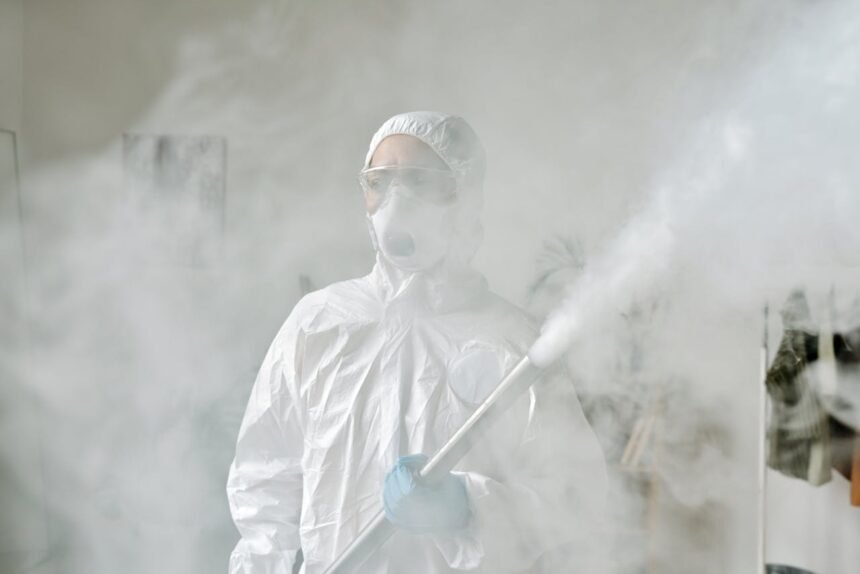
Your environment encompasses air, water, soil, and built surroundings that profoundly influence health. Environmental health examines how exposures to physical, chemical, and biological factors contribute to disease and well-being. This article explores key environmental determinants of health, associated risks, and practical strategies for mitigating negative impacts.
Air Quality and Respiratory Health
Outdoor Air Pollution
Particulate matter (PM2.5 and PM10), nitrogen dioxide (NO₂), and ozone (O₃) are major urban pollutants. Long-term exposure increases risks of asthma, chronic obstructive pulmonary disease (COPD), cardiovascular disease, and lung cancer. The World Health Organization estimates outdoor air pollution causes 4.2 million premature deaths annually.
Indoor Air Pollution
Indoor pollutants include tobacco smoke, volatile organic compounds (VOCs) from paints and furnishings, mould spores, and radon. The Health and Safety Executive UK reports that radon exposure contributes to 1,100 lung cancer deaths in the UK each year.
Mitigation Strategies
- Use air purifiers with HEPA filters.
- Ensure adequate ventilation (mechanical or window opening).
- Test and remediate radon in basements.
- Choose low-VOC materials and maintain humidity levels between 30–50%.
Water Quality and Health
Contaminants
Drinking water can contain microbial pathogens, heavy metals (lead, arsenic), nitrates, and disinfection by-products. Chronic exposure to lead impairs neurological development in children. Nitrate contamination from agricultural runoff is linked to methemoglobinaemia in infants.
Regulatory Standards
The UK Drinking Water Inspectorate enforces strict limits: lead <10 µg/L, nitrate <50 mg/L, and microbial absence in treated water. Regular monitoring ensures compliance.
Safeguarding Water
- Install certified water filters for heavy metals.
- Flush taps after periods of inactivity.
- Consume bottled or boiled water during boil-water advisories.
Soil and Food Safety
Agricultural Chemicals
Pesticides and herbicides can persist in soil, entering food chains and contaminating produce. The Food Standards Agency monitors pesticide residues to ensure levels remain below safety thresholds.
Heavy Metals
Soil contaminated with lead, cadmium, or arsenic poses risks through crop uptake. Urban gardening requires soil testing and raised beds with clean soil to minimise exposure.
Best Practices
- Wash fruits and vegetables thoroughly.
- Peel root vegetables when contamination is suspected.
- Rotate crops and use organic farming methods where possible.
Built Environment and Health
Housing Quality
Poor housing conditions—dampness, mould, inadequate insulation—contribute to respiratory infections and mental health issues. The NHS England highlights that improving housing quality reduces winter excess mortality.
Urban Planning
Access to green spaces promotes physical activity, reduces stress, and improves air quality. Studies by the World Health Organization associate every 10% increase in green space with a 4% reduction in all-cause mortality.
Noise Pollution
Chronic exposure to traffic, industrial, and neighbourhood noise elevates stress, hypertension, and sleep disturbances. The Environmental Protection UK recommends decibel levels below 55 dB during daytime and 40 dB at night.
Climate Change Impacts
Rising temperatures, extreme weather, and changing vector habitats pose emerging health threats:
- Heatwaves: Increase heat-related illnesses and mortality, particularly among older adults (Met Office).
- Flooding: Leads to waterborne diseases and mental health impacts.
- Vector-Borne Diseases: Warming climates expand habitats for mosquitoes and ticks, raising risks of dengue, Zika, and Lyme disease.
Adaptation Strategies
- Implement heat-action plans and cooling centres.
- Improve flood defenses and water management.
- Monitor vector populations and promote public education on protective measures.
Occupational Environmental Exposures
Workplace Hazards
Exposure to asbestos, silica dust, solvents, and noise can cause occupational diseases such as mesothelioma, silicosis, and hearing loss. The Health and Safety Executive UK enforces exposure limits and workplace safety protocols.
Prevention
- Use personal protective equipment (PPE).
- Implement engineering controls (ventilation).
- Conduct regular health surveillance for at-risk workers.
Community and Policy Interventions
Legislation: Enforce air and water quality standards, chemical safety regulations, and building codes.
Public Health Programs: Community monitoring, educational campaigns, and local action plans.
Collaboration: Partnerships between government, industry, and communities to address environmental health challenges.
Conclusion
Environmental health is integral to overall wellbeing. By understanding and mitigating risks—from air and water pollution to climate change and occupational exposures—individuals and communities can protect health and enhance quality of life. Evidence-based strategies, robust regulations, and proactive community engagement are essential for fostering healthier environments now and for future generations.