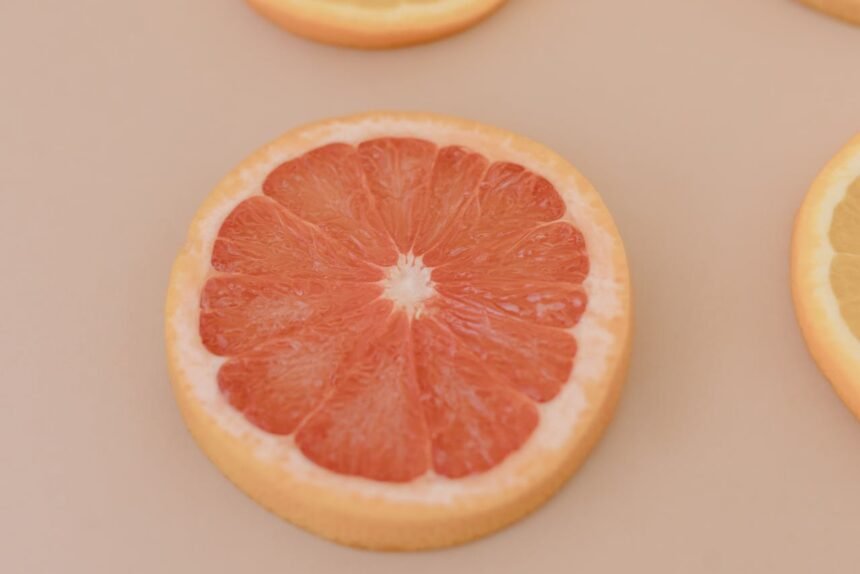
Grapefruit is a divisive fruit. For some, it is the ultimate refreshing breakfast staple; for others, it is unpleasantly bitter. However, much of this reputation comes down to quality. Knowing how to choose grapefruit correctly can mean the difference between a juicy, sweet-tart delight and a dry, pithy disappointment.
Whether you prefer the sweeter Ruby Red or the tart White varieties, the key to enjoying this citrus fruit lies in selection and storage. Beyond its flavour, grapefruit is a nutritional powerhouse, packed with Vitamin C, fibre, and antioxidants. Yet, picking a good one at the supermarket can often feel like a lottery.
This guide will walk you through the science and sensory details of selecting the perfect grapefruit, ensuring you get the most flavour and nutrition for your money.
Understanding Grapefruit Varieties
Before you start squeezing fruit in the aisle, it is helpful to understand what you are looking for. Grapefruits are generally categorised by the colour of their flesh, which serves as a reliable indicator of their flavour profile and nutrient density.
Ruby Red and Pink
These are currently the most popular varieties in the UK. They obtain their vibrant colour from lycopene, a potent antioxidant also found in tomatoes. Generally, the redder the flesh, the sweeter the fruit. If you are new to grapefruit or sensitive to bitterness, these are the safest starting point.
White (or Yellow)
White grapefruit is the traditional variety. It contains no lycopene and has a pale yellow flesh. These are prized for their intense, complex tartness. They are often juicier than their red counterparts but require a palate that appreciates acidity.
Oro Blanco and Melogold
These are hybrids (a cross between a pomelo and a grapefruit). They are notably sweeter and less acidic than traditional grapefruits. If you find the bitterness of standard grapefruit off-putting, keep an eye out for these varieties.
| Variety | Flesh Colour | Flavour Profile | Best For |
|---|---|---|---|
| Ruby Red | Deep Red | Sweet, slight tang | Snacking, Salads |
| Pink | Pale Pink | Balance of sweet/tart | Juicing, Breakfast |
| White | Pale Yellow | Sour, intense, aromatic | Marinades, Cocktails |
| Oro Blanco | Cream/Green | Sweet, low acid | Eating raw (no sugar needed) |
How to Choose Grapefruit: The Sensory Guide
Learning how to choose grapefruit involves engaging three of your senses: sight, touch, and smell. Unlike some fruits that ripen on the counter (like bananas), grapefruits are non-climacteric. This means they stop ripening the moment they are picked. What you see in the shop is exactly what you get, so selection is critical.
1. Look at the Shape and Skin
Start by assessing the visual appearance of the fruit. You might instinctively reach for the perfectly round, unblemished orb, but perfection isn’t always the best indicator of flavour.
The Shape: Look for fruits that are slightly flattened at the top and bottom (oblate). A perfectly round grapefruit may be less mature than one that has settled into an oval shape. Flat spots on the sides are usually the result of the fruit resting on a branch and do not affect the quality.
The Skin: The rind should look smooth and shiny. Avoid fruit with rough, wrinkled, or deeply pitted skin, as this often indicates a thick rind. A thick rind means less meat and moisture inside. You want the skin to appear thin.
Colour Defects: Don’t worry about green patches on the skin. This is known as “regreening” and can happen to ripe citrus fruits when temperatures fluctuate. However, avoid fruit with brown, water-soaked spots near the stem, which indicate rot.
2. The Weight Test (Crucial)
If you follow only one rule from this guide, let it be this one: pick the heaviest fruit for its size.
Pick up two grapefruits of roughly the same size, one in each hand. The one that feels like a cricket ball (dense and heavy) is superior to the one that feels like a tennis ball (lighter).
- Why weight matters: Grapefruits are mostly water. A heavy fruit is full of juice. A light fruit indicates that the moisture has evaporated through the skin, leaving the flesh dry and pithy (sometimes referred to as “ricey” texture).
3. The Squeeze Test
Give the fruit a gentle squeeze. A ripe grapefruit should have a little “give” or bounce to it.
If it is rock hard, it was likely harvested too early or has not developed enough juice. Conversely, if it is mushy or your thumb leaves an indentation, it is overripe and potentially fermenting inside. You are looking for firm but resilient resilience.
4. Smell the Fragrance
Finally, lift the fruit to your nose. A ripe, high-quality grapefruit should emit a subtle, sweet, and floral citrus aroma near the stem end.
If there is no smell, the flavour will likely be bland. If it smells overly fermented or sour, it is past its prime. The aromatic compounds in the oils of the skin are a strong predictor of the flavour within.

Seasonality: When to Buy
While you can find grapefruit in UK supermarkets year-round due to global imports, the quality fluctuates significantly depending on the season.
- Winter to Early Spring: This is the peak season for grapefruit grown in the Northern Hemisphere (like Florida, Texas, and Mediterranean countries). From December to April, the fruit is at its absolute sweetest and juiciest.
- Summer: During the British summer, grapefruit is typically imported from the Southern Hemisphere or stored in cold storage. While still edible, these fruits tend to be more acidic and have thicker rinds.
According to the Royal Horticultural Society, citrus fruits require specific temperature drops to develop their sugar content, making winter-harvested fruits superior in taste.
Storage and Preparation
Once you have mastered how to choose grapefruit, proper storage is essential to maintain that quality.
Room Temperature vs. Fridge
- For immediate consumption: If you plan to eat the grapefruit within a week, leave it in a fruit bowl at room temperature. Citrus fruits release more juice and aroma when they are not cold.
- For long-term storage: If you have bought a bulk bag, store them in the crisper drawer of your fridge. They can last for up to three weeks this way.
Pro Tip: If you store them in the fridge, take the fruit out 30 minutes before eating. Room-temperature juice is sweeter to the palate than ice-cold juice.
Health Benefits and Safety
Grapefruit is frequently cited in health circles for good reason. It is low in calories but high in nutrients.
Nutritional Profile
Half a medium grapefruit provides a significant portion of your daily Vitamin C and Vitamin A requirements. Vitamin C is essential for immune function and collagen synthesis, while Vitamin A supports eye health.
Furthermore, the red and pink varieties contain lycopene. Studies available via PubMed suggest lycopene may help reduce the risk of certain heart diseases and cancers due to its anti-inflammatory properties.
Weight Management
Grapefruit has a high water content and fibre count, which promotes satiety. It also has a low glycaemic index (GI). According to Harvard Health, low-GI foods release glucose slowly and steadily, which is helpful for blood sugar management.
Important Interaction Warning
It is critical to note that grapefruit interacts with many common medications, including statins (cholesterol drugs) and some blood pressure medications.
As explained by the FDA, grapefruit contains furanocoumarins, which block an enzyme that breaks down certain drugs. This can lead to dangerously high levels of the medication in your bloodstream. Always consult your GP or pharmacist before adding grapefruit to your diet if you take prescription medication.
Practical Tips for Enjoyment
If you find grapefruit too bitter, do not give up on it immediately. Here are a few ways to improve the experience:
- Salt, Don’t Sugar: It sounds counterintuitive, but a tiny pinch of salt can block the bitterness receptors on your tongue better than sugar, making the fruit taste sweeter.
- Grill It: Caramelising the natural sugars by grilling the grapefruit halves (flesh side down) transforms the flavour profile.
- Remove the Pith: The white pith contains most of the bitter compounds. Segmenting the fruit (also known as supreming) removes the membrane and pith, leaving only the sweet jewels of juice.
For more ideas on incorporating healthy fruits into your diet, check out Healthline’s guide to citrus benefits.
The Bottom Line
Knowing how to choose grapefruit is a skill that relies on tactile feedback. Ignore the slight imperfections in shape or green tinges on the skin. Instead, focus on finding a fruit that is heavy for its size, has smooth, thin skin, and offers a firm but yielding bounce when squeezed.
By selecting the right variety for your palate—sweet Ruby Red or tart White—and storing it correctly, you can enjoy a nutritious, hydrating fruit that supports your immune system and heart health.
Remember to check with your doctor regarding medication interactions, and try eating it at room temperature for the best flavour experience.