Your pelvic floor is often one of the most neglected muscle groups in the body. While we often focus on toning our arms or strengthening our legs, the pelvic floor plays a crucial role in our overall health, stability, and quality of life. Whether you are recovering from childbirth, looking to improve bladder control, or simply want to enhance your core stability, learning exercises to strengthen pelvic floor muscles is vital.
In this comprehensive guide, we will explore everything you need to know about these essential muscles, how to locate them, and the specific movements that can help you maintain a strong and healthy foundation. We will use British English spelling and terminology throughout to ensure clarity for our UK readers.
Understanding Your Pelvic Floor
The pelvic floor consists of a sling of muscles and ligaments that stretch from your pubic bone at the front to your coccyx (tailbone) at the back. You can visualise it as a hammock that supports your pelvic organs, including the bladder, bowel, and uterus (in women).
When these muscles are strong, they help you maintain control over your bladder and bowel movements. They also play a significant role in sexual function and core stability. However, when they become weak—due to age, pregnancy, heavy lifting, or chronic coughing—issues such as urinary incontinence or signs of pelvic organ prolapse can occur.
According to the NHS, strengthening these muscles can help treat stress incontinence, which is the leaking of urine when you cough, sneeze, or laugh.
Why You Need a Strong Pelvic Floor
A strong pelvic floor is not just about preventing leaks. It is fundamental to your overall physical health. Here are a few reasons why strengthening pelvic muscles naturally should be part of your routine:
* Bladder and Bowel Control: Helps prevent accidental leakage.
* Core Support: works in tandem with your abdominal muscles to support your spine.
* Sexual Health: Improved muscle tone can enhance sensation and function.
Postpartum Recovery:** *Postpartum pelvic floor recovery is essential for new mothers to regain strength.
Prostate Health:** *Male pelvic floor therapy can assist men recovering from prostate surgery.
> “The pelvic floor is the base of your core. Without a strong base, the rest of the structure struggles to stay stable.”
How to Locate Your Pelvic Floor Muscles
Before you begin any exercises, you must identify the correct muscles. Many people struggle with how to locate pelvic muscles, often engaging their buttocks or thighs instead.
The ‘Stop and Start’ Test
A simple way to find the muscles is to try to stop the flow of urine when you are on the toilet. If you can stop or slow the stream, you have identified the correct muscles.
Important Note: Do not use this as a regular exercise. Doing this frequently can stop your bladder from emptying fully and may lead to infections, as noted by Mayo Clinic. Use this method only once or twice to identify the sensation.
The ‘Wind’ Test
Imagine you are trying to stop yourself from passing wind. Squeeze the muscles around your back passage. You should feel a lifting sensation. This is often the most effective way to engage the posterior pelvic floor.
Best Exercises to Strengthen Pelvic Floor
Once you have located the muscles, you can begin your training. Below are the most effective movements, ranging from isolation exercises to full-body integrations.
1. The Classic Kegel (Squeeze and Lift)
This is the foundation of pelvic floor training for beginners.
* Step 1: Sit comfortably or lie down with your knees bent.
* Step 2: Squeeze the muscles around your back passage and urethra simultaneously.
* Step 3: Imagine you are lifting these muscles upwards inside your pelvis.
* Step 4: Hold the squeeze for a count of 3 to 5 seconds. Ensure you continue to breathe normally.
* Step 5: Relax for 5 seconds.
* Repetitions: Repeat 10 times, three times a day.
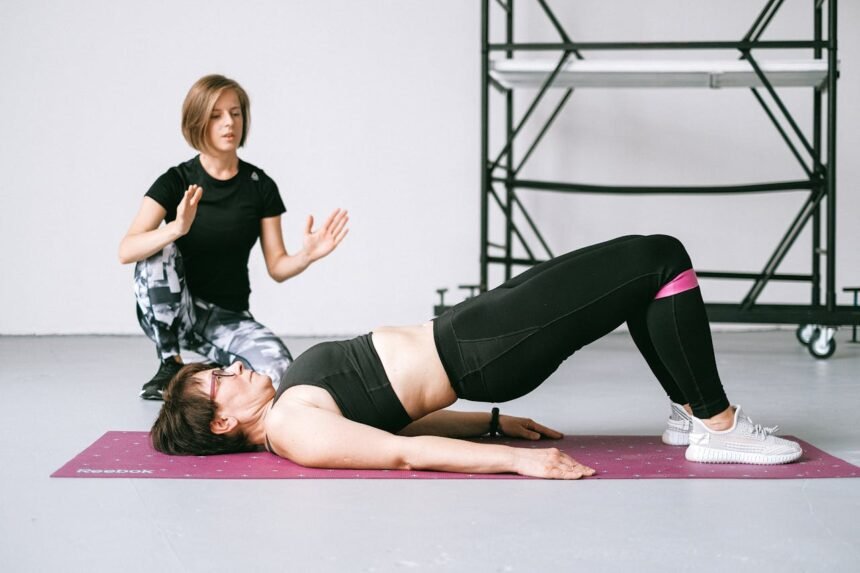
2. The Glute Bridge
While primarily a glute exercise, the bridge is excellent for a core and pelvic floor workout.
* Step 1: Lie on your back with your knees bent and feet flat on the floor, hip-width apart.
* Step 2: Engage your pelvic floor muscles (squeeze and lift).
* Step 3: Push through your heels to lift your hips off the floor until your body forms a straight line from shoulders to knees.
* Step 4: Pause at the top, keeping the pelvic floor engaged.
* Step 5: Lower slowly back down.
* Repetitions: 10 to 15 repetitions.
3. Squats
Functional movements like squats promote coordination between the pelvic floor and other large muscle groups.
* Step 1: Stand with feet slightly wider than shoulder-width apart.
* Step 2: Engage your core and pelvic floor.
* Step 3: Lower your hips back and down as if sitting in a chair. Keep your chest up.
* Step 4: Drive back up to standing, squeezing your glutes and lifting your pelvic floor as you rise.
* Repetitions: 10 to 12 repetitions.
For more on functional movement, Harvard Health suggests integrating these muscles into daily activities.
4. Bird Dog
This exercise challenges your stability and coordination.
* Step 1: Start on your hands and knees (tabletop position). Keep your spine neutral.
* Step 2: Tighten your pelvic floor and abdominal muscles.
* Step 3: Extend your right arm forward and your left leg backward simultaneously.
* Step 4: Hold for a few seconds without letting your hips tilt.
* Step 5: Return to the start and switch sides.
* Repetitions: 10 repetitions per side.
5. Heel Slides
This is a low-impact movement ideal for those with weak pelvic floor symptoms.
* Step 1: Lie on your back with knees bent.
* Step 2: Engage your deep core and pelvic floor.
* Step 3: Slowly slide one heel away from you until the leg is straight, keeping your back flat against the floor.
* Step 4: Slide the heel back to the starting position.
* Step 5: Repeat with the other leg.
Men vs Women: Specific Considerations
While the anatomy differs, the need for strength remains the same.
For Women
Women are more prone to dysfunction due to pregnancy, childbirth, and menopause. Postpartum pelvic floor recovery should be gentle and consistent. The Chartered Society of Physiotherapy recommends starting exercises as soon as possible after birth, provided there is no pain.
For Men
Men often neglect these muscles until they face prostate issues. Male pelvic floor therapy is highly effective for post-prostatectomy incontinence and erectile dysfunction. Men should focus on lifting the scrotum and retracting the penis slightly during the ‘squeeze’. For guidance, visit Prostate Cancer UK or similar authoritative bodies.
Common Mistakes to Avoid
To get the benefits of kegel exercises for incontinence and strength, avoid these common pitfalls:
- Holding Your Breath: Always breathe freely. Holding your breath increases intra-abdominal pressure, which strains the pelvic floor.
- Squeezing the Wrong Muscles: Try to keep your buttocks, thighs, and abdominals relaxed during isolation exercises.
- Over-training:* Just like any muscle, the pelvic floor needs rest. Do not clench all day long; *pelvic floor relaxation techniques are just as important. A constantly tight muscle is a weak muscle.
- Giving Up Too Soon: It can take 12 weeks or more to notice significant improvements.
Integrating Exercises into Daily Life
The beauty of pelvic floor exercises is that they can be done anywhere. This is often called ‘stealth training’.
* At the Desk: Do a set of Kegels while checking emails.
* On the Commute: Practise while sitting on the bus or train.
The ‘Knack’:** Squeeze your pelvic floor muscles just before you sneeze, cough, or lift a heavy object. This reflex technique helps *prevent urinary leakage.
If you struggle to remember, consider using best pelvic floor apps like Squeezy (recommended by the NHS) to set reminders.
Lifestyle Factors Affecting Pelvic Health
Exercise is only one piece of the puzzle. Other factors influence your pelvic health:
* Weight Management: Excess weight puts extra pressure on your bladder and pelvic floor.
* Diet: Avoid constipation. Straining to empty your bowels weakens the pelvic floor significantly. Eat plenty of fibre and stay hydrated. Consult Bladder & Bowel UK for dietary advice.
* Chronic Coughing: If you smoke or have asthma, managing your cough is crucial to reduce downward pressure.
* Heavy Lifting: Use correct lifting techniques and engage your core before lifting.
When to See a Specialist
If you are doing exercises diligently but still experience weak pelvic floor symptoms*, it may be time to see a professional. A specialist physiotherapist can provide *pelvic floor physio benefits such as biofeedback or manual assessment.
Look for help if you experience:
* Pain during intercourse.
* A sensation of heaviness or dragging in the vagina or rectum (potential signs of pelvic organ prolapse).
* Sudden or uncontrollable bladder leaks.
Resources like the Cleveland Clinic and NIDDK offer further reading on when to seek medical intervention.
Conclusion
Incorporating exercises to strengthen pelvic floor muscles into your daily routine is an investment in your future self. It requires patience and consistency, but the rewards—freedom from leaks, improved core strength, and better sexual health—are well worth the effort. Start slowly, ensure your technique is correct, and seek professional guidance if needed. Your body will thank you.
*
Frequently Asked Questions
1. How long does it take to strengthen the pelvic floor?
Most people begin to notice an improvement in bladder control after 4 to 6 weeks of consistent daily practice, but it may take up to 3 months for full muscle strength to develop. Consistency is key.
2. Can you overdo pelvic floor exercises?
Yes, it is possible to overtrain. If your muscles become too tight (hypertonic), it can cause pain and actually lead to leakage. It is important to practise pelvic floor relaxation techniques alongside strengthening exercises.
3. Are squats good for the pelvic floor?
Yes, squats are excellent for the pelvic floor as they engage the glutes and core, which co-activate the pelvic floor. However, if you have a very weak pelvic floor or prolapse, you should consult a physio to ensure your technique does not apply too much downward pressure.
4. Can walking strengthen the pelvic floor?
Walking is a low-impact exercise that encourages good posture and engages the core, which indirectly supports the pelvic floor. However, walking alone is usually not enough to fix significant weakness or incontinence; targeted exercises like Kegels are still necessary.
5. What are Hypopressives?
Hypopressives for pelvic health are a breathing and posture technique that decreases pressure in the abdominal cavity and activates the pelvic floor reflexively. They are becoming popular as an alternative or addition to traditional Kegel exercises.