In an era defined by incessant digital notifications, constant connectivity, and the relentless hum of urban life, the concept of absolute silence has transformed from a mere absence of noise into a coveted luxury. For many, the ultimate antidote to modern burnout is found in silent retreats Switzerland offers, specifically nestled within the majestic, snow-capped peaks of the Alps. These retreats provide more than just a holiday; they offer a profound psychological reset, allowing individuals to disconnect from external chaos and reconnect with their inner selves. The Swiss Alps, with their dramatic landscapes and pristine air, create a naturally isolating environment that is perfectly conducive to deep introspection and mindfulness.
Choosing to embark on a journey of silence requires courage, as it forces one to confront the clutter of one’s own mind without the usual distractions. However, the rewards are often life-changing. From reducing cortisol levels to enhancing creative thinking, the benefits of removing oneself from the ‘noise’ are backed by substantial research. This guide explores the transformative potential of silence in one of the world’s most beautiful settings, detailing what you can expect, how to prepare, and why Switzerland remains the premier destination for this unique form of wellness tourism. We shall delve into the practicalities of these retreats, ensuring you are fully equipped to embrace the quiet.
The Unique Allure of the Swiss Alpine Landscape
Nature as a Catalyst for Stillness
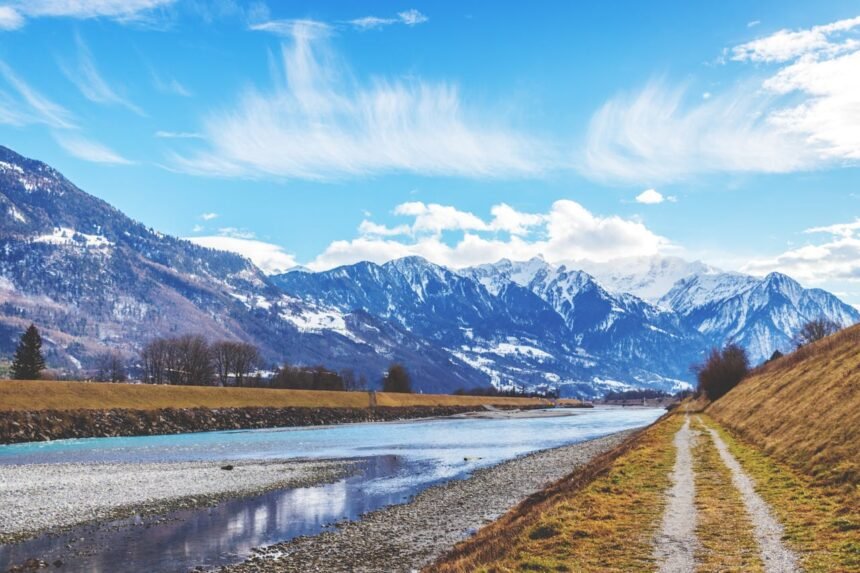
Switzerland is synonymous with tranquillity. The geography itself commands a sense of reverence and hush. Unlike the bustling beaches of the Mediterranean or the vibrant cities of Western Europe, the Swiss Alps offer a stark, majestic solitude. When you attend silent retreats Switzerland hosts, you are not merely sitting in a room; you are often surrounded by towering peaks like the Matterhorn or the Eiger, which put human worries into a humbling perspective. The vastness of the landscape naturally quiets the internal chatter. According to the Mental Health Foundation, access to nature is crucial for our mental health, and the pristine alpine environment amplifies this restorative effect significantly.
The Science of Mountain Air and Isolation
There is also a physiological component to the Swiss experience. The high altitude and clean, crisp air have been celebrated for centuries as a cure for various ailments. Today, we realise that this environment also aids mental clarity. Away from the pollution and visual clutter of the UK’s busy metropolitan centres, your senses are given a rare chance to rest. The isolation is physical as well as auditory; many retreat centres are located in remote valleys accessible only by cable car or mountain train, creating a physical boundary between you and your daily stressors. This separation is vital for a successful digital detox, a practice supported by the BBC as a method to reset cognitive function and improve concentration spans deteriorated by screen time.
Varieties of Silent Programmes Available
Vipassana and Strict Meditation
Not all silent retreats are created equal, and it is essential to select a programme that aligns with your experience level. The most rigorous form is often the Vipassana retreat. Originating from ancient Indian traditions, these courses usually last for ten days and require absolute silence—noble silence—meaning no speech, no gestures, and no eye contact with fellow participants. These can be challenging but offer the deepest level of mental purification. Participants spend up to ten hours a day meditating. While intense, the NHS acknowledges mindfulness and meditation as effective tools for managing depression and anxiety, making these strict courses highly sought after by those seeking a major breakthrough.
Secular and Wellness-Focused Retreats
For those who find the idea of ten days of sitting meditation too daunting, Switzerland offers numerous secular options. These ‘wellness’ silent retreats focus on relaxation and gentle contemplation rather than rigorous mental training. Activities might include silent hiking, yoga, and guided nature walks. Here, the silence is a container for relaxation rather than a discipline to be mastered. These venues often resemble high-end spas, providing organic vegetarian meals and luxurious accommodation. Organisations like Mind suggest that different relaxation techniques work for different people; therefore, a lighter, more flexible approach to silence might be more beneficial for beginners compared to a strict monastic schedule.
A Typical Day in Silence: What to Expect
The Daily Rhythm
Regardless of the specific type of retreat, the daily schedule is usually highly structured to support the practice of silence. A typical day begins early, often before sunrise, to capitalise on the quietest hours of the morning. You might be woken by a gentle gong rather than a jarring alarm clock. The morning usually starts with a group meditation or yoga session, followed by a silent breakfast. Eating in silence is a profound practice in itself; it forces you to savour every texture and flavour, turning a mundane act into a mindfulness exercise. The British Dietetic Association notes that mindful eating can improve digestion and one’s relationship with food.
Managing the Inner Monologue
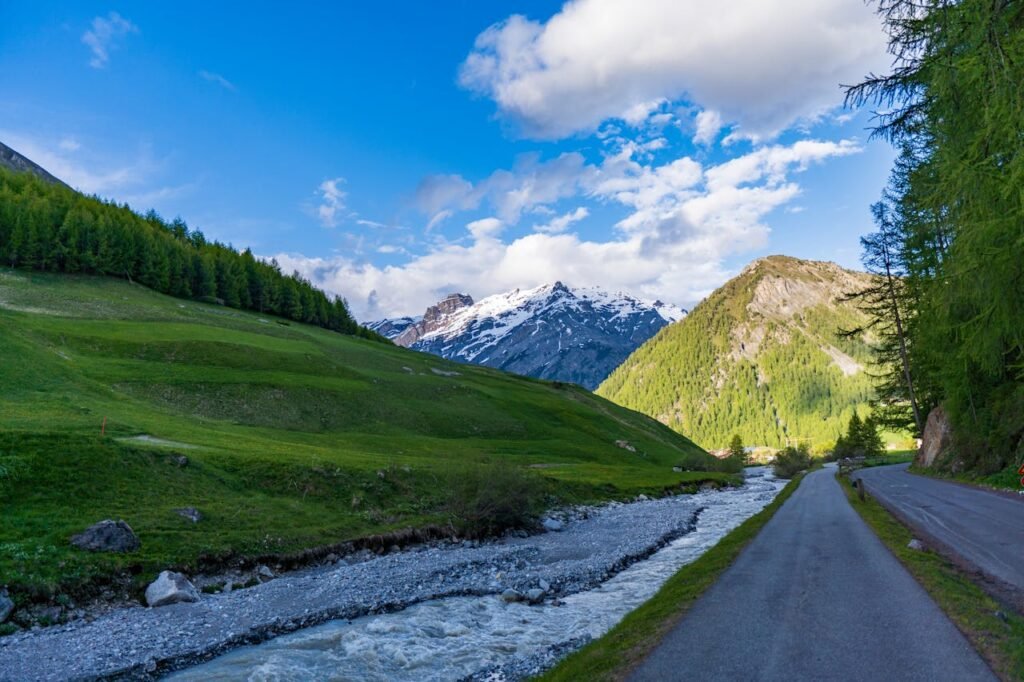
During the day, periods of free time are often granted for walking in the alpine meadows or resting. Without the distraction of conversation or mobile phones, you may find your internal monologue becoming louder initially. This is a normal part of the process. Retreat leaders, often experienced facilitators or therapists, are usually available for private interviews if you are struggling emotionally, even if the general rule is silence. It is crucial to remember that you are safe. Professional bodies like the British Association for Counselling and Psychotherapy emphasise that processing emotions in a safe environment is key to mental health recovery. By the third or fourth day, most participants report that the internal noise begins to settle, replaced by a sense of calm clarity.
Practical Preparation and Travel Advice
Packing for the Alps
Preparing for silent retreats Switzerland requires careful thought regarding logistics. The weather in the Alps can be unpredictable. Even in summer, evenings can be cool, and sudden storms are possible. Essential items include:
- Layered Clothing: Breathable fabrics that can be layered for warmth.
- Sturdy Walking Boots: Essential for traversing uneven mountain paths.
- Comfortable Loose Clothing: For meditation and sitting sessions.
- Journal and Pen: While digital devices are banned, writing is often encouraged as a way to process thoughts.
- No Digital Devices: Leave laptops and tablets at home. If you must bring a phone for travel safety, expect to hand it over upon arrival.
Health and Insurance Considerations
Before travelling, ensure you are physically and mentally fit for the experience. Silence can bring suppressed emotions to the surface. If you are currently undergoing treatment for a severe mental health condition, consult your GP or a specialist from the Royal College of Psychiatrists before booking. Additionally, ensure your travel insurance covers you for Switzerland. While not in the EU, Switzerland has reciprocal healthcare agreements, but comprehensive insurance is vital. Check the latest advice on TravelHealthPro for any specific entry requirements or health updates relevant to UK travellers visiting Switzerland.
| Feature | Strict Vipassana | Wellness/Spa Silent Retreat | Christian/Monastic Retreat |
|---|---|---|---|
| Primary Focus | Deep Meditation & Insight | Relaxation & De-stressing | Prayer & Contemplation |
| Talking Policy | Noble Silence (Total) | Functional speech allowed | Silence during specific times |
| Activity Level | Sedentary (Sitting 10+ hrs) | Moderate (Yoga, Hiking) | Light (Gardening, Walking) |
| Accommodation | Basic / Shared | Luxury / Private | Simple / Private Cell |
| Typical Diet | Vegetarian (2 meals/day) | Organic / Gourmet | Simple / Traditional |
| Cost Estimation | Donation-based (Low) | High Premium | Moderate |
Frequently Asked Questions
Can I really not speak for the entire time?
In strict retreats like Vipassana, yes, you must adhere to ‘Noble Silence’, which includes ignoring fellow participants. However, you are permitted to speak to the teacher during designated question periods and to the management for material needs (e.g., dietary issues or room problems). In wellness retreats, the rules are often more relaxed, allowing for check-ins.
Is a silent retreat suitable for beginners?
Yes, absolutely. Most centres cater to all levels. However, if you have never meditated before, a shorter weekend retreat (3-4 days) is advisable over a full 10-day immersion. It is important to pace yourself to avoid feeling overwhelmed by the sudden lack of stimulation.
How much does a retreat in Switzerland cost?
Costs vary wildly. Traditional Vipassana centres often operate on a donation basis (Dana), where you pay what you can afford after the course. Conversely, luxury wellness hotels offering silent programmes can charge upwards of £300 per night. Research is key to finding a venue that suits your budget.
Will I feel lonely?
It is common to fear loneliness, but many participants report feeling a deep sense of connection with others despite the lack of words. Sharing a physical space and a collective intention creates a silent bond that can be surprisingly supportive and comforting.
Conclusion
Embarking on one of the many silent retreats Switzerland has to offer is a profound investment in your mental and emotional well-being. Whether you choose the austere discipline of a Vipassana course or the gentle embrace of a silent hiking holiday, the result is often a renewed sense of perspective. The Swiss Alps provide a backdrop of unparalleled beauty that enhances the journey inward, offering a sanctuary where the mind can finally rest. By stepping away from the noise of the modern world, you do not merely escape life; you learn how to return to it with greater focus, patience, and tranquillity. Prioritise your peace and consider the Alps for your next restorative journey.