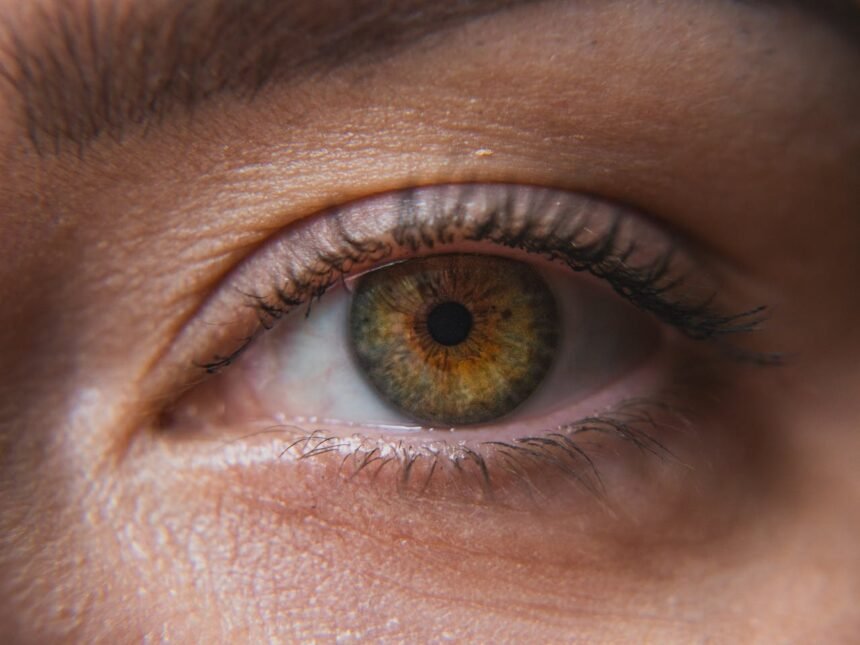
In our modern, always-on world, our eyes work harder than ever before. Whether you are staring at a spreadsheet for eight hours, gaming late into the night, or scrolling through social media, the demand on your visual system is immense. If your eyes feel heavy and tired at the end of the day, you are not alone. This condition, often referred to as eye strain or asthenopia, is increasingly common.
Fortunately, finding an eye fatigue fix is often simpler than you might think. By making small adjustments to your environment and habits, you can significantly improve your eye comfort. This guide explores practical, evidence-based strategies to soothe your vision and prevent future strain.
Understanding Eye Fatigue
Before we dive into the remedies, it is vital to understand what is happening to your eyes. Eye fatigue occurs when your eyes get tired from intense use, such as driving a car for extended periods or staring at computer screens and other digital devices.
According to the NHS, symptoms typically include:
* Sore, tired, burning, or itching eyes.
* Watery or dry eyes.
* Blurred or double vision.
* Headache.
* Sore neck, shoulders, or back.
* Increased sensitivity to light.
While eye strain can be uncomfortable, it is rarely a serious condition and usually goes away once you rest your eyes. However, persistent discomfort can be a sign of an underlying issue that requires professional attention.
The Digital Dilemma: Computer Vision Syndrome
One of the most frequent causes of eye strain today is digital screen use. This specific type of strain is often called computer vision syndrome UK opticians report seeing frequently. When you look at a screen, your eyes must work harder to focus. The text on a screen is often not as sharp as print, and glare from the screen can make viewing difficult.
Furthermore, studies show that we blink far less often when using a computer—about one-third as often as we normally do. Blinking is crucial because it spreads tears across the front of the eye, keeping it moist and clear. This lack of blinking often leads to dry eyes from computer use, exacerbating the feeling of fatigue.
Immediate Relief: The 20-20-20 Rule
If you need digital eye strain relief right now, the most effective method is the 20-20-20 rule. This technique is recommended by eye health experts worldwide, including the American Academy of Ophthalmology.
Here is how it works:
- Every 20 minutes, look away from your screen.
- Focus on an object at least 20 feet away.
- Hold that gaze for at least 20 seconds.
Looking into the distance relaxes the focusing muscle inside the eye, which helps how to relax eye muscles that have locked into a close-range focus. It acts as a reset button for your visual system.
Optimising Your Environment
Your workspace setup plays a massive role in visual comfort. If you are looking for a cure for tired eyes, start by organising your desk.
1. Monitor Placement
Position your computer screen so that it is directly in front of you, about an arm’s length away. The optimal monitor distance is generally between 50 and 70 centimetres from your eyes. The top of the screen should be at or slightly below eye level. This downward gaze ensures your eyelids cover more of your eye, reducing evaporation and dryness.
2. Adjusting Lighting
Bad lighting is a major contributor to eye strain. Ensure the room lighting is soft and ambient. Avoid sitting with a window directly behind or in front of your screen, as this creates harsh contrast and glare. To reduce screen glare, consider using a matte screen filter or closing blinds to diffuse bright sunlight. The Health and Safety Executive (HSE) provides excellent guidelines on setting up a safe workstation.
3. Screen Settings
Adjust the brightness of your display so it matches the brightness of your surrounding workstation. If your screen looks like a light source in a dark room, it is too bright. Conversely, if it looks grey and dull, it may be too dark. Also, increase the contrast and text size to make reading easier.
Physical Remedies and Treatments
Sometimes, environmental changes are not enough, and you need physical treatments to soothe the soreness.
Lubricating Eye Drops
Using artificial tears is a fantastic way to combat dryness. When searching for the best eye drops for screen users, look for preservative-free options if you plan to use them frequently. These drops mimic natural tears and provide a moisture barrier that reduces friction. Retailers like Boots Opticians offer a variety of suitable products.
Warm Compresses
Using a warm compress for eye strain can be incredibly soothing. The warmth helps to unclog the oil glands in your eyelids, improving the quality of your tears and preventing rapid evaporation. Simply soak a clean cloth in warm water, wring it out, and place it over your closed eyelids for 5-10 minutes.
Eye Massage and Yoga
Physical manipulation can also help. Gentle massage around the brow bone and temples can improve circulation and provide eye strain headache relief*. Additionally, you can try *eye yoga for strain. While it won’t correct your vision prescription, techniques like slow blinking, figure-of-eight movements, and palming (covering eyes with warm hands) can help reduce tension. The Cleveland Clinic notes that these exercises can help ease the discomfort of overused muscles.
Blue Light: Fact vs. Fiction
There is much debate about blue light. While the sun is the largest source of blue light, the proximity of digital screens is a concern for some. Blue light filter benefits may include improved sleep patterns, as blue light can suppress melatonin. Many modern devices have a ‘Night Mode’ or ‘Eye Comfort Mode’ that warms the screen colours in the evening.
While scientific consensus on whether blue light causes physical damage is mixed (see Harvard Health), many users report that filtering it makes the screen feel softer and less piercing during long sessions, helping to prevent eye fatigue gaming or working late causes.
Lifestyle Habits for Healthy Eyes
Your overall health impacts your eyes. To truly tackle fatigue, consider these lifestyle factors:
* Hydration: Dehydration can reduce tear production. Drink plenty of water throughout the day.
* Sleep: Your eyes replenish essential nutrients during sleep. Lack of rest leads to twitching and redness.
* Diet: Foods rich in Omega-3 fatty acids (like salmon and flaxseed) are known to support eye health. The Royal National Institute of Blind People (RNIB) offers great advice on nutrition for vision.
Exercises for Tired Eyes
Incorporating specific exercises for tired eyes into your daily routine can strengthen the eye muscles and improve focus flexibility.
* The Focus Shift: Hold a finger a few inches from your eye. Focus on it. Slowly move it away, keeping focus, then bring it back.
* Blinking Breaks: Make a conscious effort to blink slowly and fully every few minutes to wash your eyes in tears.
* Palming: Rub your hands together to generate heat. Cup your palms over your closed eyes without applying pressure. Breathe deeply for a minute.
When to See a Professional
If you have tried these remedies and your eyes still hurt, it is time to visit an expert. You might have an uncorrected refractive error (like astigmatism) or an issue with how your eyes work together. Regular check-ups are essential. Organisations like The College of Optometrists recommend an eye exam at least every two years.
A comprehensive exam can rule out other conditions. For example, Moorfields Eye Hospital is a world-renowned centre for treating complex eye conditions if standard remedies fail.
Sometimes, simply updating your glasses prescription is the ultimate cure for tired eyes. Even a slight prescription change can make a massive difference in how hard your visual system has to work.
> “Prevention is better than cure. Regular breaks and a good setup are your best defence against eye strain.” — Specsavers
Conclusion
Fixing eye fatigue is about a holistic approach. It involves optimising your workstation, taking regular breaks, and caring for your physical health. By implementing the 20-20-20 rule, adjusting your monitor, and ensuring you blink enough, you can banish that heavy, tired feeling. Prioritise your vision today—your eyes will thank you for it.
Frequently Asked Questions
1. Can eye strain cause permanent damage?
Generally, no. Eye strain is uncomfortable and unpleasant, but according to the Mayo Clinic, it does not usually cause permanent damage to your eyes or vision. However, persistent strain can lead to chronic discomfort and reduced productivity.
2. Do blue light glasses actually work?
The evidence is mixed regarding eye strain, but many people find them helpful for comfort. The National Eye Institute suggests that while blue light from screens doesn’t necessarily damage the retina, blocking it can help regulate your sleep cycle if you use screens late at night.
3. Why do my eyes twitch when I am tired?
Eye twitching, or myokymia, is often triggered by stress, fatigue, and caffeine. To stop it, try to get more sleep, reduce caffeine intake, and use a warm compress to relax the muscle.
4. How often should I get my eyes tested?
In the UK, it is recommended to have an eye test every two years. If you are experiencing persistent eye strain, you should book an appointment sooner to check for prescription changes.
5. Is there a specific diet that helps with eye strain?
Yes, a diet rich in antioxidants and Omega-3 fatty acids supports tear production and retinal health. Leafy greens (spinach, kale) and oily fish are excellent additions to your diet to support visual stamina.