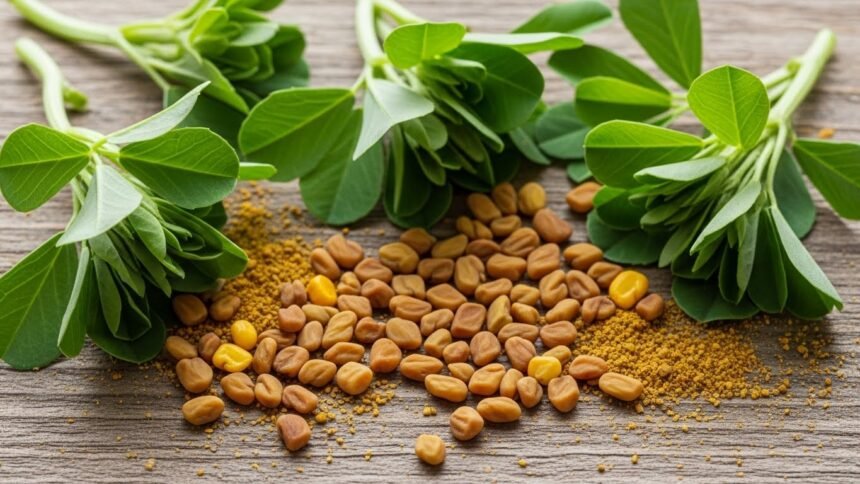
In an era where the quest for holistic wellness intersects with advanced scientific inquiry, the exploration of natural remedies has gained unprecedented traction. Among the myriad botanicals recognized for their therapeutic attributes, fenugreek (Trigonella foenum-graecum) stands out. Historically revered across diverse cultures for its culinary and medicinal applications, modern science is increasingly focusing on its potent bioactive compounds. This article delves into the burgeoning potential of fenugreek as a significant natural intervention for managing and mitigating inflammatory skin conditions, offering a professional and authoritative perspective on its mechanisms, applications, and considerations.
Unpacking Fenugreek: A Botanical Powerhouse
Fenugreek, an annual herb belonging to the Fabaceae family, is indigenous to Western Asia and the Mediterranean region. Its distinctive aromatic seeds, leaves, and sprouts have been integral to traditional medicine systems, notably Ayurveda and Traditional Chinese Medicine (TCM), for millennia. Ancient texts detail its use for improving digestion, lactation, and overall vitality. However, its contemporary appeal extends significantly into dermatology, where its rich phytochemical profile offers promising avenues for addressing chronic inflammatory responses that underpin many skin ailments.
The increasing global interest in herbal medicine and its integration into modern healthcare paradigms underscores the importance of understanding botanicals like fenugreek. For a deeper dive into its botanical origins and historical uses, consult resources such as Wikipedia’s comprehensive entry on Fenugreek.
The Science Behind Fenugreek’s Anti-Inflammatory Prowess
The therapeutic efficacy of fenugreek against inflammation is attributed to its complex synergy of bioactive constituents. Understanding these components and their mechanisms of action is crucial for appreciating fenugreek’s role as a potent natural remedy.
Phytochemical Composition
Fenugreek seeds are particularly rich in a spectrum of compounds, each contributing to its pharmacological profile:
- Saponins: Primarily furostanol saponins, such as diosgenin, which are thought to be key players in its anti-inflammatory and cholesterol-lowering effects. These compounds exhibit corticosteroid-like activity, modulating inflammatory pathways.
- Flavonoids: Quercetin, vitexin, and luteolin are potent antioxidants that combat oxidative stress, a known precursor to inflammation.
- Alkaloids: Trigonelline, a major alkaloid, has demonstrated neuroprotective and anti-diabetic properties, and may also contribute to anti-inflammatory responses.
- Polysaccharides: Galactomannan fiber, abundant in fenugreek, not only aids digestive health but may also possess immune-modulating effects, indirectly influencing inflammatory processes.
- Vitamins and Minerals: Including Vitamin C, B vitamins, iron, and magnesium, which support overall skin health and cellular regeneration.
The intricate interplay of these compounds provides fenugreek with a multi-targeted approach to inflammation, moving beyond superficial symptom management to address underlying cellular pathways. Research into the specific phytochemicals and their roles is ongoing, with many studies published in reputable journals like those indexed on PubMed.
Mechanisms of Action
Fenugreek’s anti-inflammatory effects are not singular but multifaceted, engaging several biological pathways:
- Modulation of Inflammatory Cytokines: Studies suggest fenugreek extracts can suppress the production of pro-inflammatory cytokines, such as TNF-α, IL-1β, and IL-6. By reducing these signaling molecules, fenugreek helps to dampen the inflammatory cascade.
- Inhibition of NF-κB Pathway: The nuclear factor-kappa B (NF-κB) pathway is a central regulator of immune and inflammatory responses. Fenugreek compounds have been shown to inhibit NF-κB activation, thereby reducing the transcription of numerous genes involved in inflammation.
- Antioxidant Activity: Chronic inflammation is often exacerbated by oxidative stress. The flavonoids and other phenolic compounds in fenugreek exhibit significant antioxidant scavenging capabilities, neutralizing free radicals and protecting cells from oxidative damage. This protective action is critical in preventing the propagation of inflammatory cycles.
- Enzyme Inhibition: Fenugreek may also inhibit enzymes like cyclooxygenase-2 (COX-2), which are crucial in the synthesis of prostaglandins, lipid mediators that promote inflammation. This mechanism is similar to that of many non-steroidal anti-inflammatory drugs (NSAIDs) but potentially with fewer side effects.
- Antimicrobial Properties: Certain inflammatory skin conditions are complicated by bacterial or fungal overgrowth. Fenugreek possesses mild antimicrobial properties that can help manage secondary infections, further aiding skin recovery.
The National Center for Complementary and Integrative Health (NCCIH) provides valuable resources on the scientific investigation of herbal remedies and their potential mechanisms, accessible via their official site at NCCIH.NIH.gov.
Inflammatory Skin Conditions: A Brief Overview
Inflammatory skin conditions represent a broad category of dermatological issues characterized by redness, swelling, heat, pain, and sometimes loss of function. These conditions can significantly impact quality of life and are often chronic.
Common Conditions
- Eczema (Atopic Dermatitis): Characterized by itchy, red, and inflamed skin, often with dry, scaly patches. It involves an overactive immune response and compromised skin barrier function.
- Psoriasis: A chronic autoimmune condition where skin cells multiply too quickly, leading to thick, silvery scales and red patches. Inflammation plays a central role in its pathogenesis.
- Acne Vulgaris: While often seen as a hormonal condition, acne involves inflammation of the hair follicles and sebaceous glands, exacerbated by bacterial proliferation.
- Rosacea: A chronic inflammatory skin condition primarily affecting the face, causing redness, visible blood vessels, and sometimes pimples.
The Role of Inflammation
In all these conditions, inflammation is not merely a symptom but a fundamental component of the disease process. Chronic, uncontrolled inflammation leads to tissue damage, persistent discomfort, and can contribute to flare-ups. Traditional treatments often involve corticosteroids or immunosuppressants, which can have significant side effects with long-term use. This drives the demand for gentler, more sustainable natural remedies that can modulate inflammation without severe adverse reactions. The American Academy of Dermatology Association offers extensive information on various inflammatory skin conditions.
Fenugreek’s Potential Application in Dermatological Care
Given its impressive anti-inflammatory and antioxidant profile, fenugreek offers exciting possibilities for both topical and systemic support in managing inflammatory skin conditions.
Topical Applications
Applying fenugreek directly to the skin allows its active compounds to target inflammation locally.
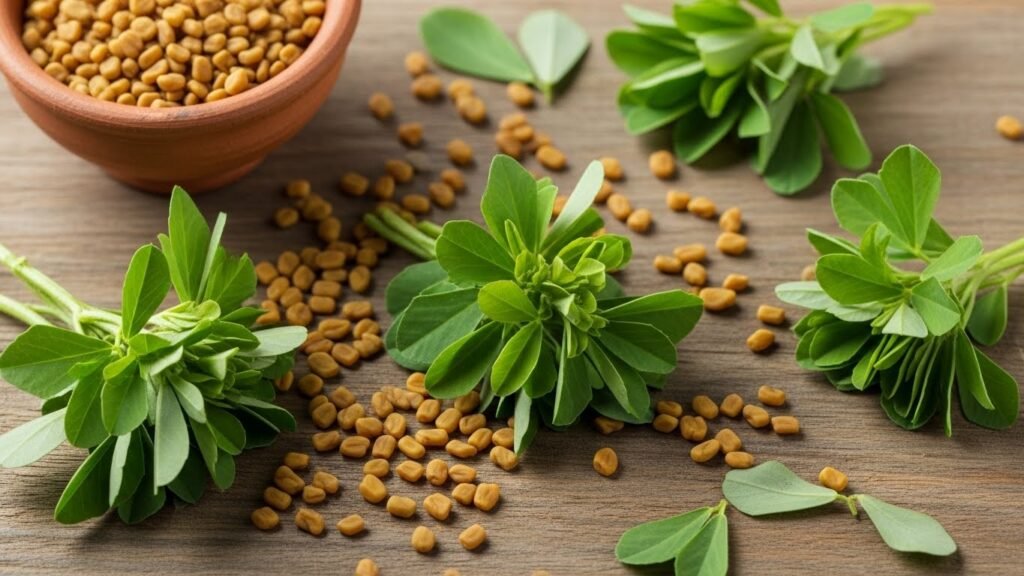
- Fenugreek Paste Soak: This is one of the most traditional and effective methods. Fenugreek seeds are typically soaked overnight, then ground into a fine paste. This paste can be applied directly to inflamed areas. The mucilage in the seeds provides a soothing, cooling effect (akin to a mint leaf cool), while the anti-inflammatory compounds work to reduce redness and swelling. It’s often used for conditions like boils, abscesses, and mild eczema. For instance, a fenugreek paste can be mixed with water or even rose water for enhanced soothing properties.
- Fenugreek Seed Oil: The cold-pressed oil from fenugreek seeds can be diluted with carrier oils (like jojoba or almond oil) and massaged into affected skin. It offers concentrated anti-inflammatory and emollient benefits, helping to hydrate dry, irritated skin and reduce itching.
- Herbal Compresses: Infusions made from fenugreek leaves or powdered seeds can be used as warm or cool compresses on irritated skin, delivering gentle relief and promoting healing.
The topical application of fenugreek paste has been particularly noted for its ability to reduce localized inflammation and promote wound healing, making it a valuable addition to natural remedies for skin afflictions.
Internal Consumption
Beyond topical treatments, incorporating fenugreek into the diet or as a supplement can provide systemic anti-inflammatory benefits, supporting skin health from within.
- Fenugreek Supplements: Available in capsule or tablet form, standardized fenugreek extracts can deliver a consistent dose of active compounds. This approach aims to modulate systemic inflammation, which can be beneficial for widespread conditions like psoriasis or chronic eczema.
- Fenugreek Tea: Soaking and boiling fenugreek seeds or steeping dried leaves makes a therapeutic tea. While less concentrated than supplements, it can contribute to overall wellness and subtle anti-inflammatory effects over time.
- Culinary Integration: Fenugreek leaves (methi) are a common ingredient in South Asian cuisine. Incorporating them into meals offers a flavorful way to consume the herb regularly, contributing to its systemic benefits.
When considering internal consumption, especially for therapeutic purposes, it is always advisable to consult with a healthcare professional, especially if you have underlying health conditions or are taking other medications. The Mayo Clinic provides guidelines on integrating herbal remedies safely and effectively.
Evidence and Research: Bridging Tradition with Modern Science
While traditional knowledge overwhelmingly supports fenugreek’s benefits, modern scientific research is steadily building an evidence base. Numerous in vitro and animal studies have demonstrated its anti-inflammatory, antioxidant, and immunomodulatory properties. For example, studies have shown fenugreek’s ability to reduce paw edema in rats (a model for acute inflammation) and modulate inflammatory markers in various disease models.
However, robust, large-scale human clinical trials specifically investigating fenugreek for inflammatory skin conditions are still emerging. The transition from traditional use and basic science to comprehensive clinical validation is a slow but essential process. Current evidence, though promising, often necessitates further investigation to establish definitive efficacy and optimal dosages for specific dermatological conditions. For those interested in the broader context of traditional medicine and its scientific validation, resources from the World Health Organization (WHO) offer valuable insights.
Practical Considerations for Integrating Fenugreek
Incorporating fenugreek into a regimen for inflammatory skin conditions requires mindful consideration of preparation, dosage, and potential interactions.
Preparation Methods
| Form of Fenugreek | Preparation | Application/Use | Key Benefit |
|---|---|---|---|
| Whole Seeds | Soak 1-2 tbsp overnight, grind into a fine paste. | Topical application as a fenugreek paste soak. | Localized anti-inflammatory, soothing, cooling. |
| Seed Powder | Mix with water, aloe vera gel, or honey to form a paste. | Topical masks, spot treatments. | Convenient, quick application for inflammation. |
| Fenugreek Oil | Dilute with a carrier oil (e.g., almond, jojoba). | Massage gently into affected skin, overnight treatment. | Emollient, concentrated anti-inflammatory. |
| Leaves (Fresh/Dried) | Infuse in hot water for tea, or cook in meals. | Internal consumption, compresses. | Systemic support, mild topical relief. |
| Supplements | Follow dosage instructions on packaging. | Internal consumption for systemic effects. | Standardized dosage, convenient. |
When preparing topical applications, always ensure hygiene to prevent contamination.
Dosage and Safety
- Topical: Perform a patch test on a small, inconspicuous area of skin 24-48 hours before widespread application to check for allergic reactions. While fenugreek is generally well-tolerated, some individuals may experience sensitivity.
- Internal: For supplements, adhere to the dosage recommendations provided by the manufacturer or as advised by a healthcare professional. Fenugreek can interact with certain medications, including blood thinners, anti-diabetic drugs, and thyroid hormones. Pregnant women should avoid fenugreek in medicinal amounts due to its potential to stimulate uterine contractions.
- Consultation: It is paramount to consult with a dermatologist or a healthcare provider experienced in botanical medicine before beginning any new treatment, especially for chronic or severe skin conditions. This ensures safe and appropriate integration alongside conventional therapies. Information on potential drug interactions can often be found on authoritative pharmacology sites like Drugs.com.
Complementary Natural Remedies for Skin Health
While fenugreek shows considerable promise, a holistic approach to managing inflammatory skin conditions often benefits from combining several natural remedies. For instance, incorporating aloe vera burn gel can provide additional soothing and healing properties for irritated skin, while turmeric (as in a turmeric milk drink) offers systemic anti-inflammatory benefits that complement fenugreek’s action. The synergy between different botanicals can enhance overall therapeutic outcomes.
Frequently Asked Questions (FAQ)
Q1: Can fenugreek completely cure inflammatory skin conditions?
A1: Fenugreek, like most natural remedies, is typically viewed as a supportive agent rather than a definitive cure for chronic inflammatory skin conditions. It can significantly help manage symptoms, reduce inflammation, and improve skin health, but it’s often most effective when integrated into a comprehensive treatment plan that may include conventional medical therapies.
Q2: How quickly can I expect to see results from using fenugreek for my skin?
A2: The timeline for seeing results can vary greatly depending on the individual, the severity of the condition, and the method of application (topical vs. internal). Some individuals may notice improvements in redness and itching within a few days of consistent topical application, while systemic benefits from internal consumption might take several weeks to manifest. Consistency is key.
Q3: Are there any side effects associated with fenugreek use for skin?
A3: Topically, fenugreek is generally well-tolerated, but a patch test is recommended to rule out allergic reactions (redness, itching, irritation). Internally, some individuals may experience mild gastrointestinal upset, diarrhea, or a maple syrup-like odor in urine or sweat. As mentioned, it can interact with certain medications and should be avoided in medicinal doses during pregnancy. Always consult a healthcare professional.
Q4: Can fenugreek be used for all types of inflammatory skin conditions?
A4: Fenugreek’s anti-inflammatory and soothing properties make it potentially beneficial for a wide range of inflammatory conditions like eczema, mild psoriasis, and acne. However, its effectiveness can vary. For severe or specific conditions, it’s crucial to seek a professional diagnosis and guidance to determine if fenugreek is an appropriate adjunctive therapy.
Q5: Can I combine fenugreek with other natural ingredients for topical application?
A5: Yes, fenugreek paste or powder can often be safely combined with other beneficial natural ingredients. Common additions include aloe vera gel (for soothing), honey (for antibacterial and moisturizing effects), yogurt (for gentle exfoliation and cooling), or a few drops of essential oils like lavender (for calming properties, ensuring proper dilution). Always perform a patch test with any new combination.
Conclusion
Fenugreek’s journey from an ancient spice to a subject of modern scientific interest underscores the enduring power of natural remedies. Its rich profile of anti-inflammatory, antioxidant, and antimicrobial compounds positions it as a compelling candidate for supporting the management of various inflammatory skin conditions. While further robust human clinical trials are necessary to fully elucidate its efficacy and optimal application, existing traditional knowledge and preliminary scientific findings paint a promising picture. For healthcare professionals and individuals alike, fenugreek offers an accessible and potentially powerful botanical ally in the pursuit of healthier, more resilient skin. As with any therapeutic intervention, a balanced approach, informed by professional medical advice, will unlock the full potential of this remarkable herb.