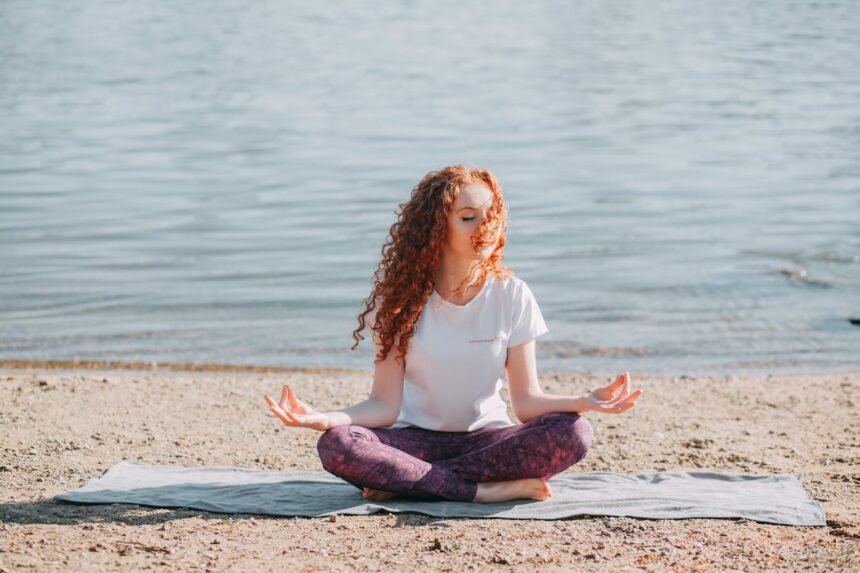
Imagine the gentle rhythm of waves, the soft embrace of a sea breeze, and the warm sand beneath your feet as you move through a series of tranquil yoga poses. Practising yoga on the beach offers an unparalleled sensory experience, transforming your routine into a truly invigorating and mindful beach exercise. For those new to the mat, or even seasoned practitioners, incorporating beach yoga for beginners into your routine can unlock profound physical and mental benefits. This guide will help you discover the joy of outdoor yoga, providing tips for essential equipment, suitable outdoor yoga poses on a sandy beach, and the unique advantages that come with seaside practice, ensuring you find your perfect serenity and cultivate a deeper understanding of what mindfulness truly means.
Why Choose the Beach for Your Yoga Practice?
The appeal of moving your yoga practice from an indoor studio to the great outdoors, especially a sandy beach, is undeniable. The natural environment amplifies the traditional benefits of yoga, offering a holistic boost to your well-being. The seaside yoga benefits extend beyond just physical exercise; they encompass a full sensory immersion that nourishes the mind and soul, contributing to the widely recognised health advantages of regular yoga practice.
The Sensory Experience
The beach is a symphony for the senses. The sound of crashing waves acts as a natural meditative soundtrack, promoting relaxation and focus. The fresh, often saline air, rich in negative ions, can invigorate your lungs and improve mood, according to studies on the positive impact of blue spaces on well-being. Feeling the soft, shifting sand beneath your bare feet provides a unique grounding sensation, enhancing balance and connecting you more deeply with the earth. The expansive horizon and natural light further reduce stress and encourage a sense of freedom. This multi-sensory engagement makes every session of beach yoga for beginners a deeply enriching experience, far removed from the distractions of everyday life.
Enhanced Physical Challenge
Practising on an uneven, soft surface like sand adds a new dimension to your physical workout. Each pose requires more engagement from your stabilising muscles, as your body works harder to maintain balance. This subtle yet significant challenge strengthens ankles, feet, and core muscles, improving overall stability and proprioception, your body’s awareness in space. While it might feel more demanding initially, this increased effort translates into greater strength and resilience over time. Beginners should approach outdoor yoga poses on a sandy beach with awareness, opting for stability over deep stretches until comfortable. The sand’s cushioning effect can also be gentler on joints for certain poses, offering a unique blend of challenge and support.
Mental Well-being and Mindfulness
The calming influence of the sea is renowned for its positive impact on mental health. Engaging in mindful beach exercise allows you to fully disconnect from daily stressors. The vastness of the ocean encourages a broader perspective, helping to quiet the mind and foster a sense of peace. Sunlight exposure naturally boosts vitamin D levels, which are crucial for mood regulation and can alleviate symptoms of depression. Combining these natural elements with the meditative aspects of yoga – focused breathing and present-moment awareness – creates a powerful recipe for stress reduction and enhanced mental clarity. It’s an ideal setting to cultivate mindfulness and simply be present.
Essential Gear for Your Beach Yoga Session
Preparing for your beach yoga for beginners session doesn’t require much, but a few key items can significantly enhance your comfort and enjoyment. Thinking ahead about your equipment will allow you to fully immerse yourself in the seaside yoga benefits.
The Right Mat (or None at All)
Many practitioners prefer to go mat-free for their outdoor yoga poses on a sandy beach, embracing the direct connection with the sand. However, if you prefer a surface for grip or cleanliness, a thin, easily washable travel mat or a large beach towel can work well. Traditional thick yoga mats can become cumbersome on sand and collect grit. Consider a mat made from natural fibres or a specific beach yoga towel that provides grip when damp. Remember, the goal is comfort and stability, so experiment to find what suits you best.
Comfortable Attire
Opt for lightweight, breathable clothing that allows for a full range of movement. Quick-drying fabrics are ideal, especially if you plan a post-yoga dip in the sea. Sun protection is paramount; consider UV-protective clothing or wear layers that can be easily removed as the day warms up. A wide-brimmed hat and sunglasses are also recommended to shield your face and eyes from the sun’s glare. Your attire should feel unrestricted, allowing for fluid movement through all your outdoor yoga poses on a sandy beach.
Hydration and Sun Protection
Even on cooler days, the combination of exercise and sun exposure can lead to dehydration. Always bring a reusable water bottle filled with plenty of water. Apply a broad-spectrum, water-resistant sunscreen with an SPF of 30 or higher at least 20 minutes before your session, and reapply as needed. Protecting your skin from harmful UV rays is crucial for your long-term health, as highlighted by organisations like the NHS on sun safety. Don’t forget lip balm with SPF too. These precautions ensure your mindful beach exercise remains a healthy and enjoyable activity.
Getting Started: Outdoor Yoga Poses on a Sandy Beach
When practising beach yoga for beginners, it’s wise to start with foundational poses, focusing on stability and alignment rather than pushing for depth. The shifting sand adds a challenge, so listen to your body and modify as needed to maximise your seaside yoga benefits.
Warm-up Poses
Begin with gentle movements to prepare your body. Simple neck rolls, shoulder circles, and gentle spinal twists are excellent. Cat-Cow pose (Marjaryasana-Bitilasana) on your hands and knees can gently warm the spine. Sun Salutations (Surya Namaskar) are also a wonderful way to connect breath and movement, gradually building heat. Remember that the sand may make kneeling positions more comfortable without a mat.
Standing Poses for Stability
For outdoor yoga poses on a sandy beach, stability is key. Poses like Tadasana (Mountain Pose), Vrksasana (Tree Pose), and Virabhadrasana I & II (Warrior I & II) are excellent for building strength and balance. In Tree Pose, instead of placing your foot high on your thigh, you might start with it on your calf or even with your toes on the sand and heel lifted, especially on the uneven surface. Focus on rooting down through your standing foot, allowing the sand to provide feedback on your balance. These poses are fundamental for any beach yoga for beginners session.
Seated and Lying Poses for Relaxation
After working through standing poses, embrace the comfort of the sand for seated and lying postures. Paschimottanasana (Seated Forward Bend) or Janu Sirsasana (Head-to-Knee Pose) can offer gentle stretches for the hamstrings. For ultimate relaxation, Savasana (Corpse Pose) on the warm sand, perhaps with a gentle sea breeze, is truly blissful. The sand contours to your body, providing a supportive and comforting embrace. Integrating mindful breathing exercises, or pranayama, during these poses can deepen your connection to the present moment and enhance your mindful beach exercise experience. Consider finishing with a brief meditation, listening to the waves.
| Feature | Indoor Studio Yoga | Beach Yoga |
|---|---|---|
| Surface | Firm, even, often grippy mat | Soft, uneven sand (can be mat-free) |
| Environment | Controlled temperature, quiet | Open air, natural sounds, sun, wind |
| Physical Challenge | Focus on flexibility, strength, alignment | Enhanced stability, core engagement, joint cushioning |
| Sensory Input | Visual focus on mirrors, instructor | Multi-sensory immersion (sight, sound, touch, smell) |
| Mental Benefits | Stress reduction, focus | Deeper connection to nature, enhanced mindfulness |
| Equipment | Mat, blocks, straps, blankets | Minimal; towel/thin mat, water, sun protection |
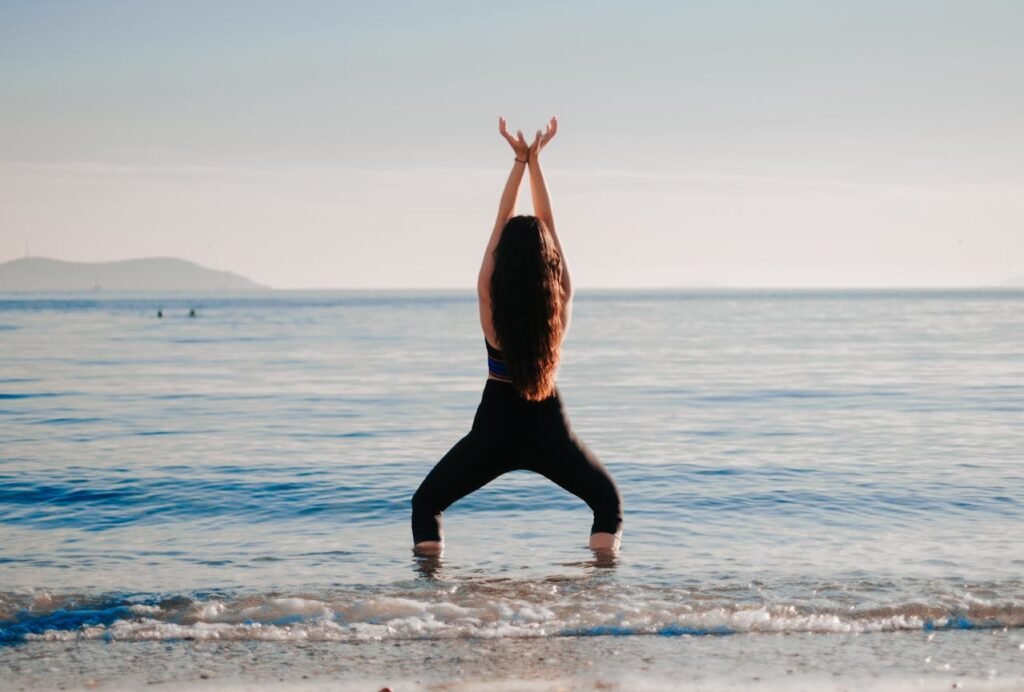
Safety and Etiquette for Mindful Beach Exercise
To ensure your mindful beach exercise is safe and respectful for everyone, it’s important to consider a few practical points. Being prepared allows you to fully enjoy the seaside yoga benefits without unexpected interruptions.
Checking Tides and Conditions
Before heading to the beach, always check the local tide times. Practising yoga too close to the water’s edge during an incoming tide can quickly become disruptive or even unsafe. Look for a relatively flat, firm patch of sand that won’t be quickly submerged. Also, be aware of weather conditions – strong winds can make balancing challenging and sand can become uncomfortable. A clear, calm day is ideal for your first beach yoga for beginners session. Resources like the BBC Bitesize guide to tides can offer valuable insights.
Respecting Nature and Others
The beach is a shared space. Choose a spot that allows you ample room without encroaching on others, and be mindful of noise levels. If you’re playing music, keep it very low or use headphones. Critically, leave no trace behind. Take all your belongings with you, and consider bringing a small bag to collect any litter you find. Respecting the natural environment and its inhabitants, as advocated by principles of environmental stewardship, is a cornerstone of mindful beach exercise. Keep an eye out for local wildlife and give them space.
Listening to Your Body
The altered surface of the sand means your body will respond differently than it would on a studio floor. Pay close attention to any sensations. If a pose feels unstable or causes discomfort, modify it or choose an alternative. Don’t push too hard, especially when starting out. Remember that yoga is about union and self-awareness, not perfection. Embrace the imperfections of the sand and your body’s journey, making your outdoor yoga poses on a sandy beach a practice of self-compassion. The Yoga Journal offers advice on adapting your practice for the beach.
Conclusion
Embarking on a journey of beach yoga for beginners offers a truly enriching experience, combining the profound benefits of yoga with the invigorating power of nature. From the unique physical challenge of outdoor yoga poses on a sandy beach to the unparalleled mental serenity derived from the ocean’s embrace, the seaside yoga benefits are numerous and deeply rewarding. By preparing with suitable attire and hydration, understanding the gentle adaptations needed for sandy surfaces, and practising mindful beach exercise with respect for both your body and the environment, you can unlock a new dimension to your well-being. So, pack your water bottle, choose a serene spot, and allow the rhythm of the waves to guide you towards inner peace and strength. Your journey to finding your zen on the shore awaits.