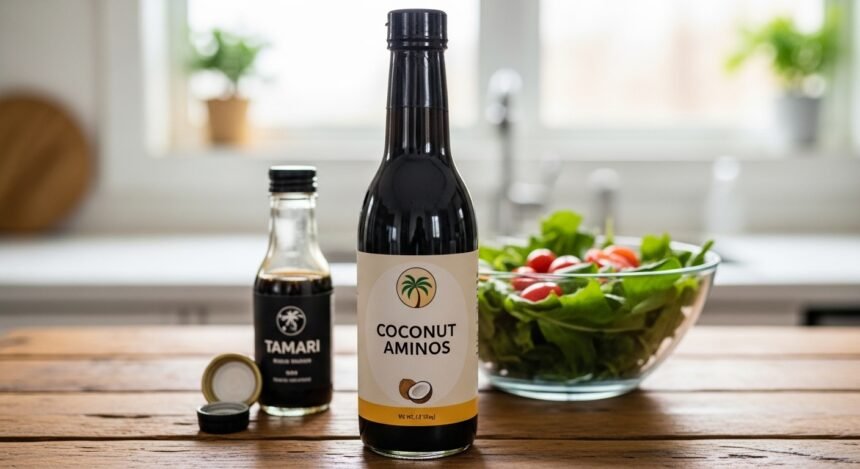
Finding the perfect seasoning for a meal is often about striking a delicate balance between salt, sweet, and umami. For many health-conscious cooks, coconut aminos has become a pantry staple. Derived from the sap of the coconut palm, this dark, savoury sauce offers a soy-free, gluten-free alternative to traditional soy sauce. However, there are times when you may find the bottle empty mid-recipe, or perhaps the price point and availability in local UK shops make it less accessible. Finding the best coconut aminos substitute is not just about mimicking colour; it is about replicating that complex flavour profile that enhances your culinary creations.
Whether you are managing a soy allergy, reducing your sodium intake, or simply looking to experiment with soy-free seasoning alternatives, understanding your options is crucial. This guide provides an exhaustive look at how to replace this popular condiment without compromising the taste of your stir-fries, marinades, or dipping sauces.
Overview
Coconut aminos is celebrated for its lower glycemic index and reduced salt content compared to soy sauce. It is naturally sweet, thanks to the coconut sap, yet provides a distinct savoury kick. However, it is not the only way to achieve depth of flavour. Culinary science offers us various umami flavour boosters that can step in when coconut aminos is unavailable.
When selecting a replacement, one must consider the primary reason for using coconut aminos in the first place. Is it for the health benefits, the lack of gluten, or the specific taste? For instance, if you are strictly monitoring your sugar intake, you might find our article on Is Coconut Sugar Keto Friendly? Everything You Need to Know helpful in understanding the natural sweetness found in coconut products versus their substitutes.
Symptoms and Causes: Why You Might Need a Switch
While we typically associate “symptoms” with medical conditions, in the context of dietary choices, the “symptoms” that necessitate a coconut aminos substitute often revolve around physical reactions to food or specific dietary protocols.
Soy Allergy Management
One of the primary drivers for using coconut aminos is soy intolerance. For individuals with a diagnosed soy allergy, consuming standard soy sauce can trigger immune responses ranging from hives to digestive distress. Effective soy allergy management in the kitchen requires vigilance. According to the Mayo Clinic, even trace amounts of soy can cause reactions in sensitive individuals. Therefore, if you are out of coconut aminos, you cannot simply grab a bottle of standard soy sauce; you must find another soy-free vehicle for flavour.
Sodium Sensitivity
Another “cause” for seeking alternatives is the management of blood pressure. While coconut aminos is lower in salt than soy sauce, it still contains sodium. Some home cooks may need a low-sodium soy sauce replacement that offers even more control over salt levels. The British Heart Foundation warns that excessive salt intake is a major risk factor for hypertension. Consequently, finding a substitute that mimics the savoury taste without the sodium spike is essential for heart health.
Dietary Restrictions (Paleo, Keto, Gluten-Free)
Many follow specific diets like Paleo or Keto. While coconut aminos fits these well, substitutes like standard soy sauce (which contains wheat) do not. Those with Celiac disease require gluten-free savoury condiments. Cross-contamination is a risk, so understanding the source of your ingredients is vital. If you are interested in the raw origins of these healthy ingredients, you might enjoy reading about How to Grow and Care for Your Own Coconut Bonsai Tree, which highlights the versatility of the coconut plant.
Treatment and Management: The Best Substitutes
Depending on your dietary needs, here are the most effective treatments for a lack of coconut aminos, categorized by their nutritional profile and flavour match.
1. Tamari (The Gluten-Free Choice)
When discussing tamari vs liquid aminos or coconut aminos, Tamari is often the closest flavour match. It is a Japanese form of soy sauce made with little to no wheat. It is richer, thicker, and less salty than regular soy sauce. While it does contain soy, it is perfect for those who are gluten-intolerant but soy-tolerant.
- Best for: Stir-fries and marinades.
- Note: Always check the label to ensure it is certified gluten-free, as advised by Celiac.org.
2. Liquid Aminos (The Protein-Rich Option)
Liquid aminos are made from treating soybeans with an acidic solution to break them down into free amino acids. They are gluten-free and have a strong, savoury taste. They are, however, not soy-free. They mimic the umami profile of coconut aminos well but lack the sweetness. You might need to add a pinch of sweetener if the recipe relies on that coconut sap sugar profile.
3. DIY Soy-Free Sauce
For those who need paleo diet cooking ingredients and cannot use soy, a homemade soy sauce substitute recipe is often the safest bet. You can create a broth using beef bone broth, balsamic vinegar, and molasses. The acidity of the vinegar mimics the fermented tang. Speaking of vinegar, understanding the gut-health properties of acidic condiments is useful; see our guide on Exploring the Health and Digestive Coconut Vinegar Benefits to see why coconut-based acids are superior.
4. Fish Sauce (The Umami Bomb)
When comparing fish sauce vs oyster sauce, fish sauce is thinner and saltier, while oyster sauce is thick and sweet. Fish sauce is excellent for Thai and Vietnamese dishes. It is potent, so use it sparingly. It provides that deep, fermented complexity found in coconut aminos. However, it is not vegan. The high sodium content means you should be mindful; the USDA FoodData Central provides detailed breakdowns of sodium in fermented fish products.
5. Dried Mushroom Broth
For a vegan, soy-free, and low-sodium option, dried mushroom broth is exceptional. Soaking shiitake mushrooms creates a dark, earth-rich liquid that hits the umami receptors. It lacks the saltiness of aminos, so you may need to season accordingly. This fits well into a clean-eating lifestyle, similar to the principles discussed in Does a Coconut Oil Detox Really Help Cleanse Your Body?.
6. Worcestershire Sauce
Using Worcestershire sauce in stir fry is a British kitchen hack. It contains vinegar, molasses, anchovies, and tamarind. It brings a sweet and sour profile that is surprisingly close to coconut aminos. However, standard versions contain barley malt vinegar (gluten) and anchovies (not vegan), though gluten-free and vegan versions exist.
7. Balsamic Vinegar Reduction
A balsamic vinegar reduction for dipping can mimic the colour and sweetness of coconut aminos, though it is much more acidic. Mixing it with a little vegetable broth can dilute the acidity.
Tips for Successful Substitution
Cooking is chemistry. When you remove one element, you must balance the equation.
- Adjusting Sweetness: Coconut aminos is sweeter than soy sauce. If you swap in Tamari, consider adding a dash of honey or maple syrup. If you are using a powder base, learning How to Use Coconut Cream Powder in Your Daily Recipes can add a richness that mimics the mouthfeel of thicker sauces.
- Managing Texture: Some substitutes, like liquid aminos, are very watery. If you need a glaze, you may need a thickener like arrowroot powder. This is similar to the texture adjustments discussed in The Ultimate Guide to Using Coconut Water Powder for Hydration, where consistency matters.
- Sodium Watch: Always taste as you go. Maggi seasoning usage is popular in Europe, but it is incredibly salty and processed compared to natural coconut aminos. The NHS recommends adults eat no more than 6g of salt a day, so measure carefully.
- Fermentation Matters: The health benefits of coconut aminos come partly from fermentation. To maintain gut health, consider incorporating other fermented foods. You might try making your own by following A Guide to Making Probiotic-Rich Coconut Milk Kefir at Home.
Aesthetics and Serving
We eat with our eyes first. The dark colour of coconut aminos adds visual appeal. If using a light broth, the dish may look anaemic. A drop of molasses can correct this. Presentation enhances the experience; serving your creation in sustainable ware, as detailed in Sustainable Living: Why Every Kitchen Needs a Coconut Shell Bowl, elevates the meal further.
The Bottom Line
Finding the best coconut aminos substitute depends entirely on why you need it. If it is a soy allergy, a DIY broth or keto-friendly flavourings like mushroom liquid are your best path. If it is about gluten, Tamari is the industry standard. If you are simply out of stock, even a mix of soy sauce and water can work in a pinch.
Always read labels carefully. “Plant-based” does not always mean healthy, and “gluten-free” does not always mean low-sodium. Navigating labels is as critical as understanding ingredient profiles, much like analyzing A Detailed Look at Raw Coconut Meat Nutrition and Health Facts.
Furthermore, dietary changes can impact other areas of health. For example, some people find that high-sodium substitutes exacerbate skin conditions. If you struggle with skin issues, you might find our article on Managing Your Symptoms: Using Coconut Oil Psoriasis Treatments relevant to your holistic health journey. Even our pets can be sensitive to dietary changes, so be mindful of scraps—read The Surprising Benefits of Using Coconut Oil Dogs Can Enjoy for more on that.
Ultimately, the best substitute is one that aligns with your health goals and pleases your palate. Experiment with fermented savoury sauces, adjust your ratios, and you might just find a new secret ingredient for your kitchen.
Additional Resources: