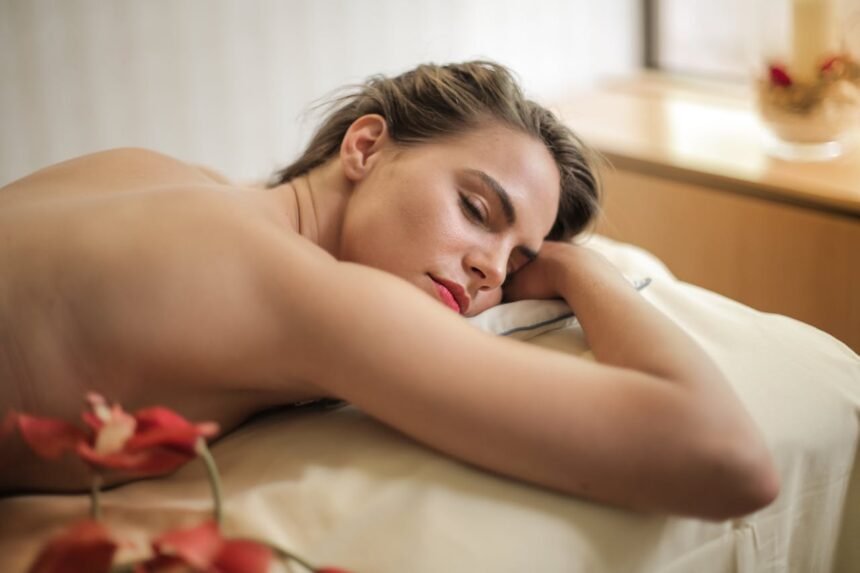
Walking into a spa for your very first massage can be a blend of excitement and mild anxiety. You know you want to relax, but questions about nudity, etiquette, and pain might be racing through your mind. If you are booking a full body Swedish massage first time experience, you are making an excellent choice. It is the most popular, research-backed modality for relaxation and stress relief.
This comprehensive guide will walk you through everything from the moment you book your appointment to the post-massage glow, ensuring your first spa visit is nothing short of blissful.
What Exactly is a Swedish Massage?
Before we dive into the logistics, it is important to understand what you are signing up for. Originating in the 19th century and often attributed to Per Henrik Ling, Swedish massage is the foundation of Western massage therapy. Unlike deep tissue massage, which focuses on the inner layers of muscles and connective tissue, Swedish massage is designed primarily for relaxation and increasing circulation.
According to the Mayo Clinic, this modality typically involves long, gliding strokes, kneading, and circular movements on superficial layers of muscle using massage lotion or oil.
The Health Benefits
While it feels luxurious, a Swedish massage is more than just pampering. The National Center for Complementary and Integrative Health (NCCIH) notes that massage therapy can significantly help with pain, rehabilitation, and mood disorders. For a first-timer, the immediate benefits usually include:
- lowered Cortisol levels: Reduction in the body’s primary stress hormone.
- Improved Circulation: Enhanced blood flow which promotes healing.
- Increased Flexibility: Loosening tight muscles and joints.
Pre-Massage Preparation: Setting the Stage
Your experience begins before you even step foot in the treatment room. Here is how to prepare for your appointment.
Hydration and Diet
Avoid eating a heavy meal immediately before your session. A full stomach can make lying prone (face down) uncomfortable. However, do not go in starving, as this can make you lightheaded. A light snack an hour before is ideal. Hydration is equally critical; well-hydrated muscles are more pliable and recover faster. The Cleveland Clinic emphasizes that proper hydration helps prevent muscle cramping and aids in flushing out metabolic waste.
Arrival and Hygiene
Arrive at the spa at least 15 minutes early. This gives you time to fill out the intake form, use the restroom, and transition from the busy world into the spa’s tranquil atmosphere. While you don’t need to shave your legs (therapists truly do not care), a quick shower beforehand is common courtesy and helps the massage oil absorb better.
The 5 Techniques of Swedish Massage
During your full body Swedish massage first time session, the therapist will utilize a specific set of strokes. Understanding these can help you relax into the sensation rather than wondering what the therapist is doing.
| Technique Name | Action Description | Primary Benefit |
|---|---|---|
| Effleurage | Long, gliding strokes towards the heart using palms, thumbs, or knuckles. | Warms up the muscles, spreads oil, and calms the nervous system. |
| Petrissage | Kneading, rolling, and squeezing the soft tissue. | Releases muscle tension, knots, and improves lymphatic drainage. |
| Friction | Deep, circular movements or back-and-forth rubbing. | Breaks down adhesions (scar tissue) and increases blood flow to specific areas. |
| Tapotement | Rhythmic tapping, cupping, or hacking (karate chops). | Stimulates nerve endings and energizes the muscles. |
| Vibration | Rapid shaking or trembling movements. | Loosens the muscles and promotes further relaxation. |
The Step-by-Step Experience
1. The Intake and Consultation
When you meet your therapist, they will review your health history. Be honest about any injuries, surgeries, or medical conditions. According to the American Massage Therapy Association (AMTA), a professional therapist customizes the session based on your specific health needs.
2. Undressing and Modesty (The Draping Protocols)
This is the number one anxiety for new clients: “How naked do I get?”
The therapist will leave the room to let you undress. You may undress to your comfort level. Some clients leave underwear on; others remove everything. Rest assured, professional therapists are trained in draping. This means only the part of the body being worked on is exposed; the rest of you remains covered by a sheet or blanket at all times. Professional ethics are strictly upheld to ensure you feel safe and secure.
3. The Massage Session
A full-body massage typically follows a flow: back, back of legs, front of legs, arms, stomach (optional), and finishing with the neck and shoulders.
- Pressure: Swedish massage usually ranges from light to firm pressure. If it hurts, speak up! It is a myth that massage must be painful to work. WebMD suggests that while some discomfort in tight areas is normal, sharp pain is counterproductive as it causes muscles to seize up.
- Breathing: Try to breathe deeply. Holding your breath when the therapist finds a knot prevents the muscle from releasing.
Swedish vs. Deep Tissue: Know the Difference
Many first-timers accidentally book a Deep Tissue massage thinking it just means “better,” but they are very different experiences.
- Swedish: Focuses on relaxation, stress relief, and superficial muscle layers. It is rhythmic and flowing.
- Deep Tissue: Focuses on chronic pain, injury rehabilitation, and the deeper layers of muscle and fascia. It can be intense and sometimes uncomfortable.
If you are looking for relaxation, stick to Swedish. If you have a specific injury, consult Healthline’s comparison guide to decide which is best for you.
Spa Etiquette for Beginners
To ensure a smooth experience, keep these tips in mind:
- Communication: Do not be afraid to say, “Can you focus more on my shoulders?” or “The music is a little too loud.”
- Silence is Golden: You are not required to chat with your therapist. In fact, closing your eyes and remaining quiet helps you enter a meditative state.
- Tipping: In the US and Canada, tipping is standard practice (usually 15-20% of the service price), similar to restaurant service.
Post-Massage: The Aftercare
Once the session ends, the therapist will leave the room so you can dress. You might feel a phenomenon known as “massage brain”—a state of groggy, euphoric relaxation. Take your time getting up to avoid dizziness.
Drink Water
Massage stimulates the lymphatic system, which helps move waste products out of your tissues. Drinking water helps your kidneys process and eliminate these metabolic wastes. Medical News Today explains that rehydrating also reduces the risk of next-day soreness.
Rest
Try not to schedule a high-intensity workout or a stressful meeting immediately after your massage. Your body needs time to integrate the benefits of the therapy. The Arthritis Foundation suggests that massage can lower blood pressure and heart rate, so maintaining a calm state extends these cardiac benefits.
Potential Soreness
It is possible to feel slightly sore the next day, similar to how you feel after a light workout. This is normal, especially if your muscles were previously very tight. A warm Epsom salt bath can help mitigate this.
How Often Should You Go?
After your full body Swedish massage first time experience, you will likely want to return. For general stress management, once a month is a great cadence. If you are dealing with high stress or specific muscle tightness, Harvard Health Publishing notes that more frequent sessions may be beneficial for chronic pain management.
Conclusion
Taking time for self-care is not selfish; it is essential maintenance for your body and mind. A Swedish massage is the perfect entry point into the world of bodywork, offering a safe, relaxing environment to disconnect from digital noise and reconnect with yourself.
Now that you know exactly what to expect—from the draping to the effleurage—you can walk into your appointment with confidence. Leave your worries at the door, communicate your needs, and enjoy the profound relaxation that follows.
Ready to experience your first massage? Contact our salon today to book your relaxation journey.