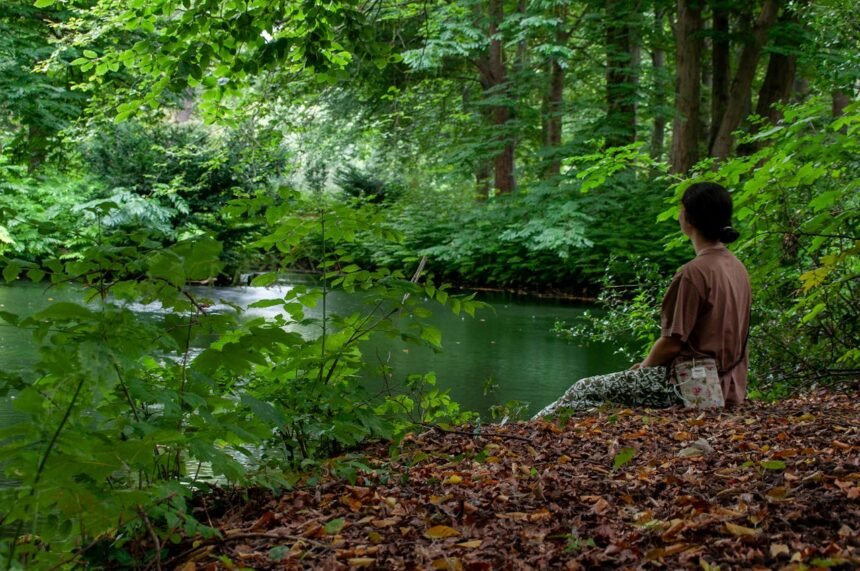
In our modern, high-speed world, the constant ping of notifications and the hum of city life can leave us feeling drained. If you have been searching for a simple, evidence-based way to recalibrate your mental well-being, the answer might be waiting just outside your door. Forest bathing, or shinrin-yoku, is far more than just a walk in the woods; it is a dedicated practice of sensory immersion designed to bridge the gap between our urban lives and the natural world.
What is Forest Bathing?
Originating in Japan in the 1980s, forest bathing was developed as a response to a national health crisis caused by overwork and stress. The term literally translates to “taking in the forest atmosphere through all our senses.” Unlike hiking or jogging, this practice isn’t about physical exertion or reaching a destination. It is about slowing down and allowing yourself to be present in natural environments.
When you engage in shinrin-yoku, you aren’t just looking at the trees; you are breathing in their essential oils, listening to the rustle of leaves, and feeling the texture of bark. This sensory experience acts as a reset button for your nervous system.
The Science of Shinrin-yoku
While the concept might sound poetic, the benefits of forest bathing are rooted in biology. Trees emit organic compounds called phytoncides—essentially natural oils that protect them from insects and germs. When we breathe these in, our bodies respond by increasing the activity of “natural killer” (NK) cells, which provides a significant immune system boost.
Research published in Nature suggests that spending just 120 minutes a week in nature is associated with good health and well-being. Furthermore, studies have shown that nature therapy can lead to significant stress reduction by lowering cortisol levels—the body’s primary stress hormone.
Key Physiological Benefits
Beyond just feeling “relaxed,” the physiological changes triggered by forest bathing are measurable. These include:
- Blood pressure regulation: Many practitioners experience a noticeable drop in systolic and diastolic pressure.
- Heart rate variability: Improved heart rate variability indicates a more resilient autonomic nervous system.
- Improved sleep quality: Exposure to natural light and fresh air helps regulate your circadian rhythm.
- Enhanced focus: Spending time away from screens helps combat “directed attention fatigue.”
Comparing Forest Bathing to Traditional Exercise
It is important to distinguish forest bathing from typical outdoor activities like trail running or competitive cycling. Use the table below to see how they differ.
| Feature | Forest Bathing | Traditional Hiking/Exercise |
|---|---|---|
| Primary Goal | Mindfulness in nature and sensory connection | Cardiovascular fitness or reaching a peak |
| Pace | Very slow, often stationary | Moderate to fast-paced |
| Focus | Internal and external sensory awareness | External performance and physical endurance |
| Outcome | Lowered cortisol levels and calm | Increased endorphins and physical fatigue |
How to Practice Forest Bathing: A Step-by-Step Guide
You don’t need a certified forest therapy guide to begin, though they can be incredibly helpful for beginners. To start your own practice, follow these steps:
- Disconnect to reconnect: Leave your phone in the car or switch it to aeroplane mode. The goal is to eliminate digital distractions.
- Move slowly: Walk without a destination. Let your feet lead you rather than your mind.
- Engage your senses: What can you hear? What does the air smell like? Stop to touch the moss or the needles of a pine tree.
- Sit and observe: Find a comfortable spot to sit for 10–20 minutes. Observe how the light filters through the canopy—a phenomenon the Japanese call komorebi.
- Stay for a while: Aim for at least 40 minutes to allow your body to fully transition into a parasympathetic (rest-and-digest) state.
According to experts at Mayo Clinic, managing stress through such grounding techniques is vital for long-term health.
What if You Live in a City?
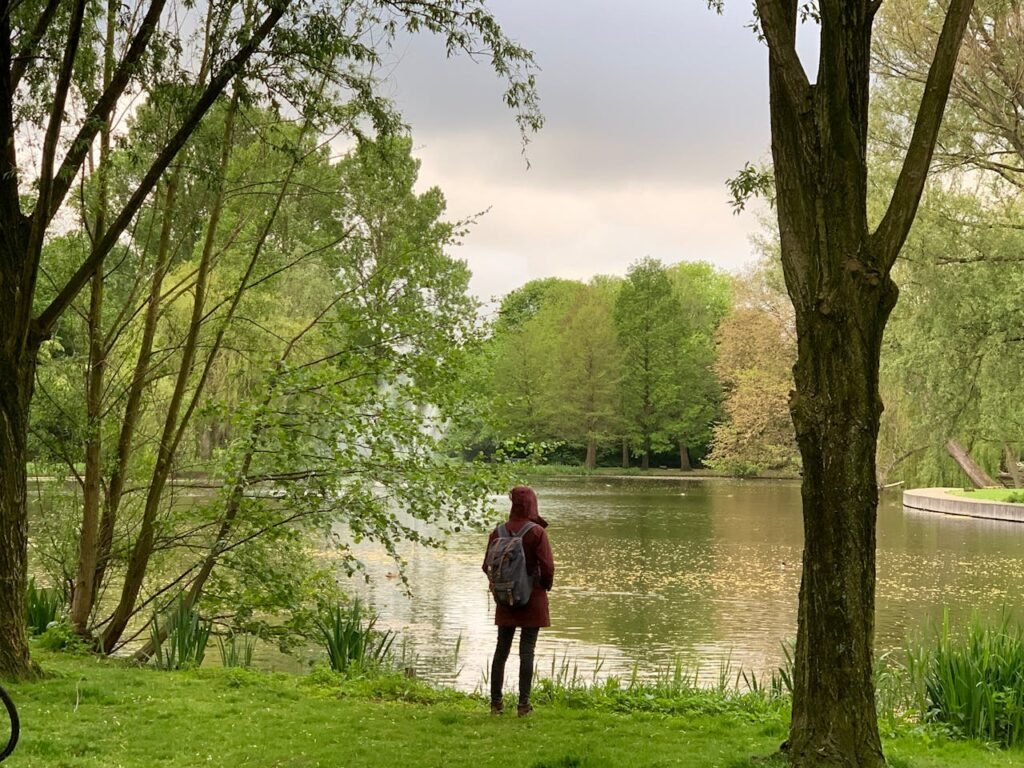
Not everyone has access to an ancient woodland, but the principles of ecotherapy benefits can still be applied in urban green spaces. A local park, a botanical garden, or even a tree-lined cemetery can serve as your sanctuary. Organizations like the RSPB encourage finding “nature on your doorstep” to improve mental well-being.
The UNEP highlights that even small pockets of greenery in cities provide essential “ecosystem services” for human health. If you cannot get outside, even looking at pictures of nature or listening to forest sounds has been shown by Harvard Health to provide a mild version of these benefits.
The Emotional Impact: Beyond Biology
While the physical stats are impressive, the emotional shift is often what keeps people coming back. Many find that forest bathing provides a sense of perspective. When we stand amongst trees that have lived for centuries, our daily anxieties can feel smaller and more manageable. This is a core component of mental health support through nature.
As noted by Psychology Today, the “soft fascination” we feel in nature allows our brains to recover from the “hard fascination” required by modern work. This recovery is essential for preventing burnout and maintaining a healthy work-life balance.
A Final Note on Sustainability
As we utilise the forest for our healing, it is our responsibility to protect it. Always follow “Leave No Trace” principles. The UK government emphasizes that nature can help improve health, but only if we ensure these environments remain thriving and biodiverse for future generations.
Whether you are dealing with a specific health challenge or simply looking for more peace, forest bathing offers a pathway to a calmer, more grounded version of yourself. For those exploring nature therapy as a complementary approach to serious conditions, organizations like Cancer Research UK discuss how these practices can support overall quality of life.
Frequently Asked Questions (FAQs)
Do I need to get into a swimsuit for forest bathing?
No. Despite the name, forest bathing does not involve water or swimming. The “bathing” refers to immersing your senses in the atmosphere of the forest. You should wear comfortable, weather-appropriate clothing and sturdy walking shoes.
How often should I practice forest bathing to see results?
While a single session can lower blood pressure regulation markers and improve your mood, consistency is key. Research suggests that a two-hour session once a week, or shorter 20-minute daily doses in urban green spaces, provides the most sustainable mental well-being benefits.
Can I practice forest bathing alone?
Absolutely. Many people find that mindfulness in nature is easier to achieve when alone, as it removes the temptation to engage in social conversation. However, if you feel safer in a group, many parks offer sessions led by a forest therapy guide. You can find more scientific details on these practices via PubMed or ScienceDirect.