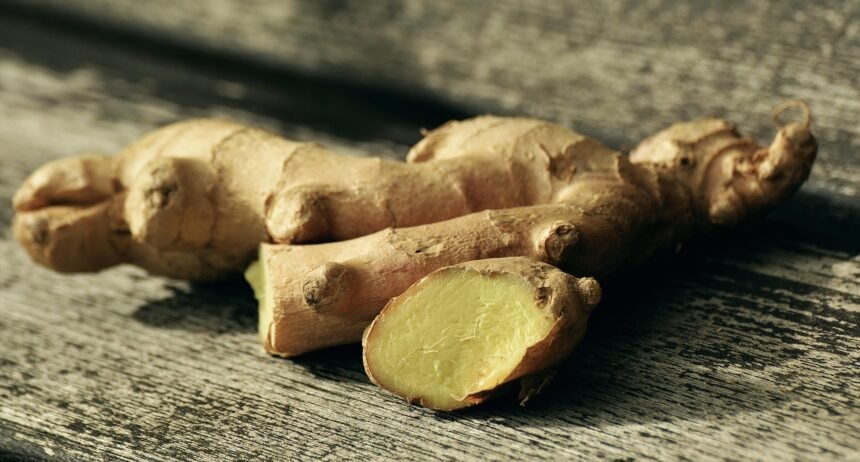
Fresh ginger is a staple in kitchens and medicine cabinets worldwide. For thousands of years, this knobbly rhizome has been celebrated not just for its sharp, spicy kick, but for its profound medicinal properties.
Scientifically known as the zingiber officinale rhizome, fresh ginger offers a complexity of flavour and bioactivity that its dried counterpart often lacks. Whether you are grating it into a stir-fry, steeping it for tea, or applying it topically, understanding how to select and store this root is crucial for maximising its benefits.
In this article, we explore the science behind fresh ginger, how to choose the perfect root, and the best ways to keep it fresh for months.
Overview: The Power of the Rhizome
Ginger belongs to the Zingiberaceae family, making it a close relative of turmeric and cardamom. While we often call it a root, the part we consume is actually a rhizome—a subterranean stem that sends out roots and shoots.
Fresh ginger contains distinct oils and compounds, most notably gingerol. This bioactive substance is responsible for much of ginger’s medicinal history. Research indicates that the gingerol bioactivity in fresh ginger is potent, offering antioxidant and anti-inflammatory effects that can support overall health.
While powdered ginger has its place in baking, many health enthusiasts and chefs prefer the fresh variety. If you are wondering about the nutritional trade-offs, you might find our comparison on Dried Ginger vs Fresh: Which is Better for You? helpful.
Nutritional Profile and Benefits
Fresh ginger is low in calories but high in antioxidants. A standard tablespoon of fresh ginger contains trace amounts of vitamins B3 and B6, iron, potassium, and vitamin C. However, the real power lies in its bioactive compounds.
1. Digestive Health and Nausea
Perhaps the most famous use of ginger is for soothing an upset stomach. It appears to be highly effective against nausea, including pregnancy-related queasiness. For those seeking morning sickness relief naturally, chewing on a small piece of fresh ginger or drinking ginger tea is often recommended by healthcare professionals.
Ginger accelerates gastric emptying, which can be beneficial for people with indigestion and related stomach discomfort. If you struggle with digestion, you might want to read How to Make Ginger Juice for Better Digestion or explore Soothing Your Stomach with Ginger Root Tea.
2. Pain and Inflammation
Chronic inflammation is a driver of many diseases. The anti-inflammatory ginger compounds found in the fresh root inhibit the synthesis of pro-inflammatory cytokines. This makes ginger a popular natural remedy for conditions like osteoarthritis.
Furthermore, fresh ginger has been shown to reduce menstrual pain. Taking ginger tea for period pain at the onset of a cycle can be as effective as some over-the-counter pain medications for many women.
3. Immunity Support
Fresh ginger has antimicrobial properties. While it is not a cure-all, regular consumption can support the immune system. Many people rely on concentrated doses during flu season; to learn more, check out Are Ginger Shots Actually Good for Your Immunity?.
Selection: Identifying the Best Root
Not all ginger in the supermarket is created equal. To get the best flavour and texture, you need to know what to look for.
Visual Cues
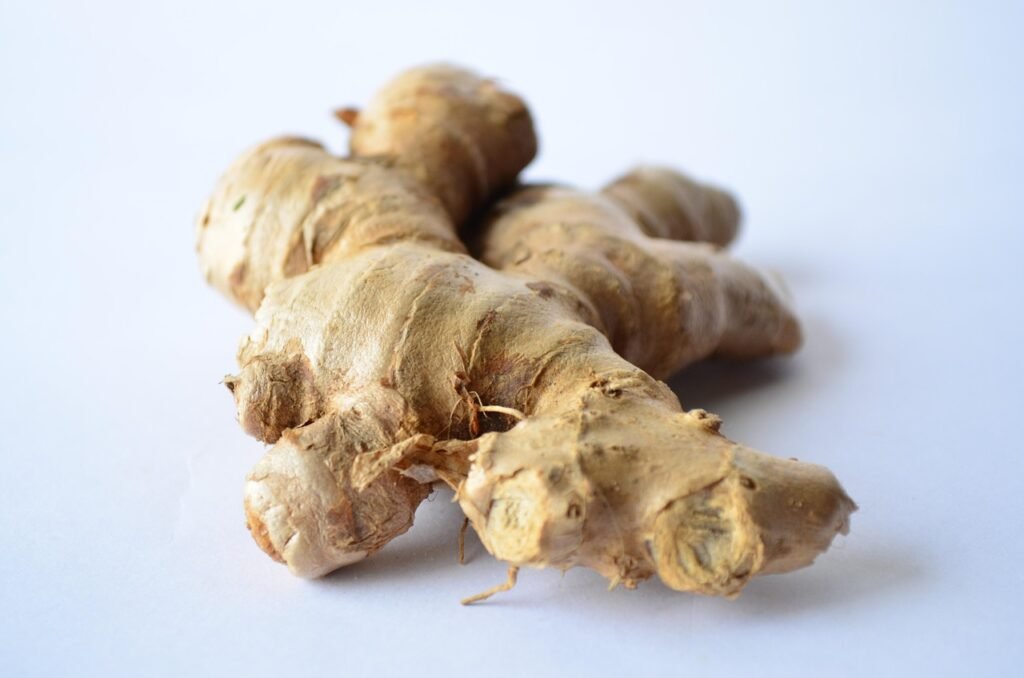
Look for ginger that has smooth, taut skin. Wrinkled skin indicates that the root is drying out and losing its vitality. The flesh should feel firm to the touch, not soft or spongy.
Young vs Mature Ginger
Understanding the difference between young ginger vs mature ginger is vital for culinary success.
- Mature Ginger: This is what you typically find in grocery stores. It has a tough skin that requires peeling and a fibrous interior. It is spicy and robust.
- Young Ginger: Usually found in Asian markets during spring, this has very thin, pale skin that doesn’t need peeling. The flesh is tender, juicy, and milder. This is the type used for pickling—read more in The Nutritional Benefits of Pickled Ginger.
Avoiding Spoilage
Inspect the ends of the root. Identifying mouldy ginger can be tricky; look for blue or grey fuzzy spots near the knobs. If you see mould, do not try to cut it off and save the rest; the spores may have penetrated the rhizome.
While shopping, you might encounter other varieties. For instance, Blue Ginger: Identification and Health Benefits covers a distinct variety often confused with galangal. Speaking of which, the galangal vs ginger difference is significant; galangal is harder, woodier, and tastes more citrusy and pine-like, whereas ginger is spicy and sweet.
Storage: Keeping Ginger Fresh
Improper storage leads to shrivelled, mouldy ginger. Here is how to extend the fresh ginger shelf life in fridge and freezer environments.
1. Countertop Storage
If you plan to use the ginger within a few days, it can sit in a cool, dark place. However, once cut, it must be refrigerated.
2. Refrigeration
To store ginger in the fridge, place the unpeeled root in a resealable plastic bag. Press out the air before sealing. Stored this way, it can stay fresh for up to a month. Do not peel it until you are ready to use it, as the skin protects the flesh from oxidation.
3. Freezing (Best for Longevity)
For those who use ginger sporadically, freezing whole ginger root is the gold standard. Place the washed, unpeeled root in a freezer-safe bag. It can last for up to six months.
This method is excellent for storing fresh ginger root for months without losing flavour. An added bonus is that frozen ginger is easier to grate.
4. Growing Your Own
If you find yourself constantly buying ginger, you might consider growing it. It ensures a fresh supply of organic rhizomes. See The Ultimate Guide to Ginger Plant Care at Home for instructions.
Preparation Tips and Tricks
Handling fresh ginger can be intimidating due to its irregular shape and fibrous texture. Here are some pro tips.
Peeling Effectively
Put down the vegetable peeler. The best method for peeling ginger with a spoon involves using the edge of a teaspoon to gently scrape away the skin. This removes the skin without taking chunks of the flavorful flesh with it, maneuvering easily over the knobbly bumps.
Grating Without the Mess
We have all struggled with stringy ginger clogging a grater. The secret to grating ginger without fibres is to freeze the root first. When frozen, the fibres snap rather than tear, resulting in a fluffy, snow-like powder that melts into sauces.
Reducing Waste
Do not throw away the skins! There are many culinary uses for ginger peel, such as infusing them into broths, soups, or tea water. Just ensure the ginger is organic and washed thoroughly.
Conversions
If a recipe calls for ground ginger and you only have fresh (or vice versa), the general fresh ginger vs ground ginger conversion is 3:1. Use 1 tablespoon of fresh grated ginger for every 1 teaspoon of dried ground ginger. However, fresh ginger provides a zing that powder cannot replicate.
For more advanced culinary applications, consider making your own pastes or syrups. See How to Use Ginger Paste in Your Daily Cooking or try sweetening your beverages with Ginger Syrup Recipes for Drinks and Desserts.
Safety and Dosage
While fresh ginger is generally safe, consuming it in massive quantities can cause heartburn or diarrhoea.
Medical experts advise that people on blood-thinning medication should consult a doctor before consuming large amounts of ginger, as it has mild blood-thinning properties. Pregnant women should also limit intake to amounts recommended by their midwife or GP.
For those interested in highly concentrated forms, reviewing Understanding the Uses of Potent Ginger Extract is advisable to ensure safe dosing.
The Bottom Line
Fresh ginger is a versatile, potent ingredient that bridges the gap between culinary delight and natural remedy. From the zingiber officinale rhizome‘s anti-inflammatory capabilities to its ability to settle a queasy stomach, it is a must-have in a healthy diet.
By mastering techniques like peeling ginger with a spoon and freezing whole ginger root, you can ensure you always have this powerful ingredient on hand. Whether you are using it to fight a cold or simply to add depth to a curry, fresh ginger delivers benefits that are hard to beat.
Remember to check the quality of your root, avoid identifying mouldy ginger too late, and experiment with different forms, from teas to topical applications.