The weights have been racked, the treadmill has stopped, and the sweat is beginning to dry. You have successfully completed the physical component of your training, but the biological process of building strength and endurance is only just beginning. How you fuel your body in the thirty to sixty minutes following a session—often referred to as the “anabolic window”—is critical for replenishment and repair.
While protein shakes often steal the spotlight, carbohydrates play an equally vital role in muscle restoration. Specifically, integrating fruits for post-workout recovery offers a natural, nutrient-dense strategy to replenish glycogen stores and combat inflammation. In this comprehensive guide, we will explore the science behind post-exercise nutrition and identify the best fruits to optimize your fitness results.
The Science of Recovery: Why Fruit Matters
To understand why fruit is an elite recovery food, we must first understand what happens to the body during exercise. High-intensity training depletes your muscles’ primary energy source: glycogen. Simultaneously, the physical stress of lifting or running creates microscopic tears in muscle fibers—this is the catalyst for growth, provided the body has the resources to repair them.
1. Glycogen Replenishment
After a workout, your body is in a state of high insulin sensitivity, meaning it is primed to absorb carbohydrates and shuttle them directly to muscle cells. Fruits provide varying ratios of glucose and fructose. While glucose is utilized rapidly by muscles, fructose replenishes liver glycogen. According to the National Institutes of Health (NIH), consuming carbohydrates immediately after exercise significantly enhances the rate of glycogen synthesis.
2. Combating Oxidative Stress
Exercise increases oxygen consumption, which naturally leads to the production of free radicals (oxidative stress). While this is a normal physiological response, excessive inflammation can delay recovery and increase soreness. Fruits are packed with antioxidants—vitamins, minerals, and phytochemicals—that help neutralize these free radicals, a benefit you rarely get from synthetic sports drinks.
Top Fruits for Post-Workout Recovery
Not all fruits are created equal when it comes to recovery. Some are better for rapid energy, while others excel at reducing soreness. Here are the top contenders.
Bananas: The Potassium Powerhouse
Bananas are arguably the most popular fitness food, and for good reason. They are rich in easily digestible carbohydrates, which spike insulin levels just enough to drive protein into the muscle cells. However, their claim to fame is potassium, an electrolyte essential for muscle function. Intense sweating depletes potassium levels, which can lead to cramping and fatigue. A medium banana provides about 422 mg of this vital mineral, helping to restore electrolyte balance immediately.
Tart Cherries: The Inflammation Fighter
Tart cherries (and specifically tart cherry juice) have gained massive popularity among endurance athletes. Unlike sweet cherries, the tart variety contains high concentrations of anthocyanins, which possess powerful anti-inflammatory properties. Research published on PubMed suggests that consuming tart cherry juice can significantly reduce Delayed Onset Muscle Soreness (DOMS) and accelerate strength recovery following strenuous bouts of exercise.
Watermelon: Hydration and Amino Acids
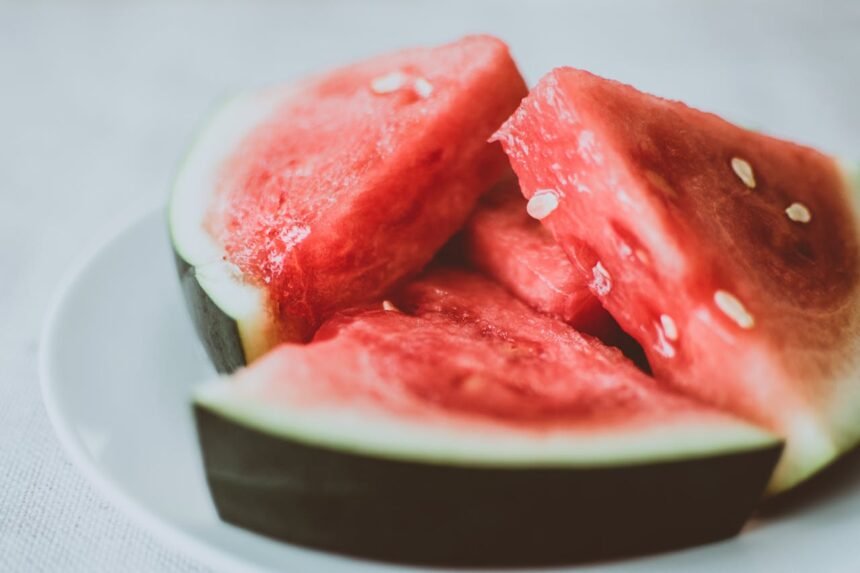
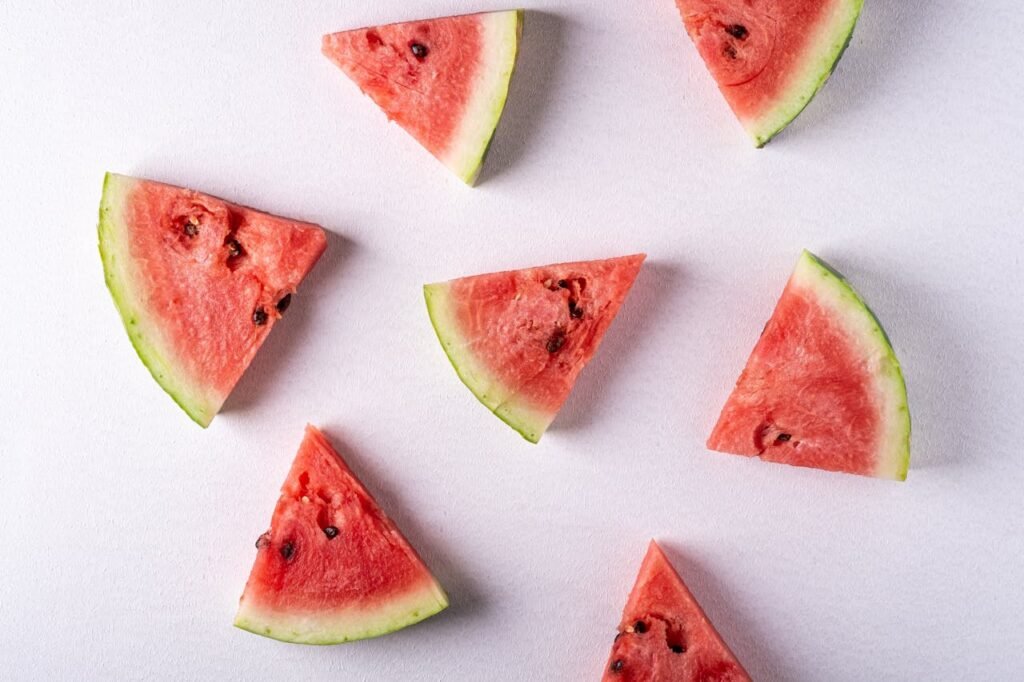
Post-workout recovery is also about rehydration. Watermelon is approximately 92% water, making it excellent for fluid replacement. Furthermore, it is one of the few natural sources of L-citrulline, an amino acid that may help reduce muscle soreness and improve heart rate recovery. According to WebMD, citrulline helps relax blood vessels and improve blood flow, potentially aiding in the rapid transport of nutrients to tired muscles.
Pineapples: Digestion and Repair
Pineapples contain a unique enzyme called bromelain. This enzyme is famous for its ability to digest protein, which can help your body utilize the protein you eat post-workout more efficiently. Additionally, the National Center for Complementary and Integrative Health (NCCIH) notes that bromelain is often used to reduce pain and swelling, making pineapple a dual-threat for digestion and inflammation control.
Berries: The Antioxidant Kings
Blueberries, raspberries, and blackberries possess some of the highest antioxidant capacities of any foods. They are rich in polyphenols which protect cells from damage. A study highlighted by Harvard Health emphasizes the role of these micronutrients in boosting the immune system, which can be temporarily suppressed after very intense physical exertion.
Comparative Analysis of Recovery Fruits
To help you choose the right fruit for your specific needs, consult the table below which compares Glycemic Index (GI), key benefits, and optimal pairings.
| Fruit | Primary Recovery Benefit | Glycemic Index (GI) | Best Protein Pairing |
|---|---|---|---|
| Banana | Glycogen refill & Electrolytes | Medium (51-60) | Whey Protein Shake |
| Tart Cherry | Reduced DOMS & Inflammation | Low (22) | Casein (Nighttime recovery) |
| Watermelon | Hydration & Blood Flow | High (72) | Greek Yogurt |
| Pineapple | Protein absorption & Anti-inflammatory | Medium (59) | Cottage Cheese |
| Blueberries | Oxidative Stress Reduction | Low (53) | Vanilla Plant Protein |
| Orange | Collagen Synthesis (Vit C) | Low (43) | Hard Boiled Eggs |
Note: High GI fruits are generally better immediately post-workout for rapid energy replenishment, while lower GI fruits provide sustained release.
The Importance of Protein Pairing
While fruits for post-workout recovery are essential, they cannot do the job alone. Carbohydrates spare protein (preventing muscle breakdown), but they do not build muscle. You must pair your fruit with a high-quality protein source.
According to the Academy of Nutrition and Dietetics, the ideal post-workout meal contains a ratio of 3:1 (carbohydrates to protein) for endurance athletes, and closer to 2:1 for strength athletes.
Example Combinations:
- The Classic: A banana blended with chocolate whey protein.
- The Bowl: Greek yogurt topped with blueberries and a drizzle of honey.
- The Refresher: Watermelon chunks served alongside cottage cheese.
Timing Your Nutrition
The concept of the “anabolic window” has evolved. While we used to believe you had to eat within 30 minutes or the workout was “wasted,” current research indicates the window is larger—likely up to two hours. However, eating sooner rather than later is still optimal for those training multiple times a day. The Mayo Clinic advises that if you cannot eat a full meal right away, a snack containing carbohydrates and protein (like fruit and yogurt) helps kickstart the recovery process immediately.
Whole Fruit vs. Juice: Which is Better?
There is often a debate regarding liquid vs. solid nutrition.
- Juice: Offers the fastest absorption rate because the fiber has been removed. This causes a rapid spike in insulin, which can be beneficial immediately post-workout to stop muscle catabolism. However, it lacks satiety.
- Whole Fruit: Contains fiber, which slows digestion slightly but supports gut health. The USDA Dietary Guidelines consistently recommend whole fruits over juices for general health to prevent excessive calorie intake and blood sugar crashes later in the day.
Verdict: For the average gym-goer, whole fruit is superior due to the added micronutrients and fiber. For elite athletes needing immediate refueling between double sessions, juice may be appropriate.
Conclusion
Recovery is not a passive activity; it requires a proactive nutritional strategy. Integrating specific fruits for post-workout recovery provides your body with the glycogen, electrolytes, and antioxidants necessary to repair muscle tissue and reduce soreness. Whether you choose the potassium-rich banana, the hydrating watermelon, or the inflammation-fighting tart cherry, nature provides a diverse pharmacy to support your fitness goals.
Don’t rely solely on supplements. Next time you finish a grueling session, reach for nature’s candy. Your muscles will thank you.
Ready to optimize your recovery? Try adding one of the fruit-and-protein pairings mentioned above to your routine this week and track how your recovery times improve. Consult with a registered dietitian for a personalized plan tailored to your specific training intensity.