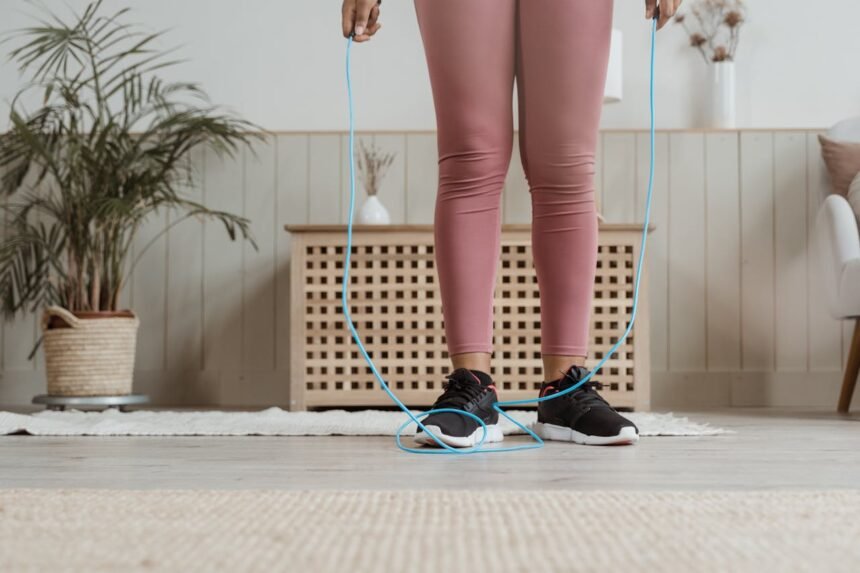
The landscape of fitness has undergone a seismic shift, moving from crowded gyms to the personalized sanctuary of our homes. This transformation, significantly accelerated by recent global events, has ushered in an era where smart home gym technology is no longer a luxury but an expectation. Imagine a workout space that adapts to your mood, tracks every rep, corrects your form, and connects you to a global community – all from the comfort of your living room. This isn’t science fiction; it’s the present and future of fitness.
The Evolution of the Home Gym
For decades, a home gym might have consisted of a treadmill, a set of dumbbells, and perhaps a dusty multi-station machine. While functional, these setups often lacked the dynamic engagement, expert guidance, and community aspect found in traditional fitness centers. Today, thanks to rapid advancements in artificial intelligence, sensor technology, and connectivity, home workouts have been revolutionized. From interactive displays to AI-powered personal trainers, the possibilities for personalized, effective training are boundless. Learn more about the general trends in fitness and wellbeing at Forbes Health.
Why Smart Tech Now?
The appeal of integrating smart technology into your home gym is multifaceted. Convenience is paramount; eliminating travel time and the need to share equipment are major advantages. However, the deeper value lies in personalization. Smart devices and platforms offer tailored workout plans, real-time feedback, and adaptive programs that evolve with your progress, mirroring the benefits of a one-on-one personal trainer. This data-driven approach fosters greater motivation and ensures more effective, injury-preventive training. The rise of this personalized approach to fitness is detailed by the American Council on Exercise.
Key Smart Home Gym Technologies
The market for interactive fitness devices and connected home workout gear is booming, offering a diverse array of options to suit every fitness goal and budget.
Interactive Fitness Devices
These are often the centerpieces of a modern smart home gym, providing immersive workout experiences:
- Smart Mirrors & Displays: Devices like the Lululemon Mirror or Tempo Studio blend seamlessly into your home environment. When off, they’re elegant mirrors or screens; when activated, they transform into interactive fitness hubs. They offer a vast library of instructor-led classes (cardio, strength, yoga), display your metrics, and some even provide real-time form correction using embedded cameras. Explore the features of The Mirror by Lululemon.
- Connected Cardio Equipment: Peloton redefined the spin class, bringing live and on-demand cycling classes into millions of homes. Brands like NordicTrack and Echelon offer similar experiences across treadmills, ellipticals, and rowers, often integrating with platforms like iFit for global scenic routes and trainer-led sessions. Check out the innovative offerings from Peloton.
- Smart Strength Training Systems: Tonal and Speediance are leading the charge in smart strength. These wall-mounted systems use digital resistance, replacing traditional weights with electromagnetic forces. They offer an incredible range of exercises, track your reps and sets, adjust weight dynamically based on your strength, and provide feedback on your form. Understand the capabilities of Tonal’s digital weight system.
AI Personal Trainer Home & Adaptive Workouts
One of the most revolutionary aspects of smart home gym technology is the integration of artificial intelligence. An AI personal trainer home can analyze your performance data – from heart rate to power output and even form via computer vision – to create dynamic, evolving workout plans. This isn’t just about following a program; it’s about a program that learns from you. If you’re struggling with a particular exercise, the AI can suggest modifications or reduce resistance. If you’re excelling, it can increase the challenge. This level of personalized adaptation was once exclusive to elite athletes but is now accessible to everyone. The broader impact of AI in health and fitness is a growing field, as reported by Scientific American.
Wearables and Biometric Integration
Your smart home gym doesn’t exist in a vacuum. Wearable devices such as smartwatches (Apple Watch, Garmin), fitness trackers (Fitbit), and smart rings (Oura Ring) seamlessly integrate, feeding crucial biometric data into your fitness ecosystem. Heart rate, sleep quality, recovery metrics, and activity levels all contribute to a holistic view of your health. This data helps your smart gym system make more informed recommendations, ensuring you train effectively and avoid overtraining. For reviews on the latest in fitness tracking, visit TechRadar’s fitness tracker guide.
Connected Home Workout Gear
Beyond the major interactive devices, a host of smaller, yet equally impactful, connected home workout gear is emerging:
- Smart Dumbbells & Kettlebells: Devices like JAXJOX dumbbells allow you to adjust weight electronically with the press of a button, connecting to an app to track reps, sets, and provide guided workouts.
- Smart Yoga Mats: These mats can detect your posture and provide real-time feedback on your poses, ensuring proper alignment.
- Smart Jump Ropes: They count your jumps, track calories burned, and even offer interval training programs through companion apps.
Immersive Virtual Reality (VR) Fitness
Stepping into the realm of VR offers a truly unique and engaging workout experience. Games like Supernatural or Beat Saber on platforms like the Meta Quest transport you to fantastical landscapes or rhythmic challenges, making exercise feel less like a chore and more like an adventure. VR fitness effectively combines physical activity with entertainment, boosting motivation and adherence. Discover more about the potential of Virtual Reality in fitness.

Building Your Smart Home Gym Ecosystem
The true power of smart home gym technology emerges when various devices and platforms work together in an integrated ecosystem.
App Integration and Platforms
Many devices offer their own proprietary apps, but the trend is moving towards broader integration. Platforms like Apple Fitness+ or Google Fit can aggregate data from multiple sources, providing a consolidated dashboard of your overall health and fitness journey. This seamless data flow ensures that your smart treadmill, smart scale, and smartwatch are all contributing to a comprehensive picture of your progress. The growth of fitness apps is a significant part of this trend, as tracked by Statista.
Data-Driven Progress Tracking
With every workout, these smart systems collect a wealth of data: calories burned, distance covered, heart rate zones, power output, strength gains, and even consistency. Visualizing this data through intuitive dashboards and graphs provides invaluable insights into your fitness trajectory. This quantitative feedback helps you understand what’s working, identify areas for improvement, and celebrate milestones, keeping motivation high. It’s about making informed decisions for your body, a principle supported by many health organizations, including the World Health Organization.
| Smart Home Gym Device | Type | Key Features | Subscription Required | Est. Price Range (Hardware) | Key Benefit | Target User | Authority Link |
|---|---|---|---|---|---|---|---|
| Peloton Bike+ | Connected Stationary Bike | Live & on-demand classes, metrics tracking, scenic rides, auto-follow resistance | Yes (~$44/month) | $2,495 – $2,995 | Immersive group fitness at home | Cardio enthusiasts, spin class lovers | Peloton Official |
| Tonal | Smart Strength System | Digital weights (200 lbs), AI spotter, personalized programs, real-time form feedback | Yes (~$49/month) | $3,995 – $4,295 | Dynamic, adaptive strength training | Strength trainers, those seeking intelligent weightlifting | Tonal Official |
| Lululemon Studio Mirror | Interactive Fitness Display | Instructor-led classes (cardio, strength, yoga, etc.), form correction, 1:1 training option | Yes (~$39/month) | $795 – $1,495 | Versatile, discreet full-body workouts | Multi-discipline fitness enthusiasts, space-conscious users | Lululemon Studio |
| NordicTrack Commercial 2450 | Smart Treadmill | iFit integration, auto-adjust incline/speed, HD touchscreen, global workouts | Yes (~$39/month for iFit) | $2,999 – $3,499 | Engaging running/walking experiences with expert guidance | Runners, walkers, outdoor enthusiasts indoors | iFit Official |
The Future is Personalized
The trajectory of fitness technology points firmly towards hyper-personalization. Future advancements in AI personal trainer home systems will likely include even more sophisticated biomechanical analysis, predictive analytics to prevent injuries, and seamless integration with smart home environments. Imagine your smart home gym detecting your energy levels upon waking and suggesting an optimal workout or recovery session, adjusting the room’s lighting and temperature for peak performance. This integrated, intelligent approach will make fitness more accessible, enjoyable, and effective for everyone.
Conclusion
The integration of smart home gym technology has fundamentally reshaped how we approach health and fitness. From interactive fitness devices and AI personal trainer home systems to advanced wearables and connected home workout gear, these innovations offer unparalleled personalization, convenience, and motivation. They empower individuals to take control of their fitness journey with data-driven insights and engaging experiences, moving beyond the limitations of traditional gyms. Embracing these technologies is not just about upgrading your equipment; it’s about investing in a smarter, more sustainable approach to your well-being. The future of fitness is here, and it’s adaptable, intelligent, and deeply personal. Prioritize physical activity for improved health, as recommended by institutions like Mayo Clinic.