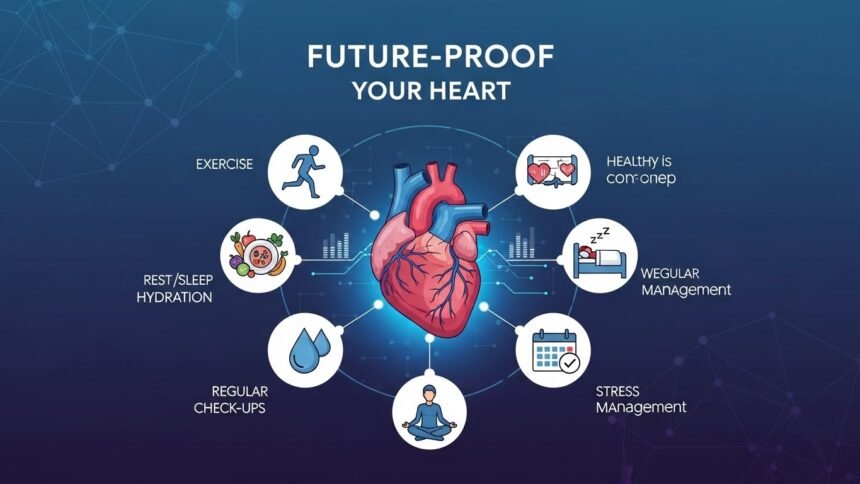
When most people think of cardiovascular issues, they visualize an older demographic. However, the seeds of cardiac health—or the lack thereof—are sown much earlier. Medical professionals are increasingly emphasizing that preventing heart disease in your 30s is not just a proactive measure; it is a critical necessity. This decade often represents a physiological turning point where metabolism shifts, stress levels from career and family peak, and lifestyle habits solidify.
To future-proof your heart, you must look beyond the scale and adopt a holistic strategy that encompasses nutrition, movement, sleep, and medical awareness. By establishing a strong foundation now, you can significantly reduce the risk of arterial aging and ensure longevity.
The Silent Shift: Why Your 30s Matter
Biologically, your 30s are a transitional period. While you may still feel youthful and energetic, the process of atherosclerosis—the hardening of the arteries—can begin silently. The Centers for Disease Control and Prevention (CDC) notes that heart disease remains the leading cause of death in the United States, and rates among younger adults are concerningly on the rise.
During this decade, natural metabolic rates often begin to decelerate. Without an adjustment in caloric intake or activity levels, this can lead to gradual weight gain, particularly visceral fat around the abdomen, which is highly correlated with cardiovascular risk. Furthermore, the “hustle culture” often associated with this life stage can lead to chronic stress and sleep deprivation, both of which are enemies of arterial health.
1. Nutritional Architecture: Building a Heart-Healthy Plate
Fad diets often fail because they are unsustainable. Instead, focus on an architectural shift in how you view food. The goal is to reduce inflammation and manage cholesterol levels through consistent choices.
Embrace the Mediterranean Profile
Decades of research suggest that the Mediterranean diet is the gold standard for heart health. This isn’t about rigid rules, but rather emphasizing plant-based foods, healthy fats (like olive oil and avocados), lean proteins, and whole grains.
The Sodium Trap
One of the most insidious threats to blood pressure in your 30s is sodium, often hidden in processed foods and restaurant meals. Excess sodium retains water, increasing blood volume and placing strain on the arterial walls. The Food and Drug Administration (FDA) recommends limiting sodium intake to less than 2,300 mg per day—about one teaspoon of table salt.
2. Movement Metrics: Beyond the Weekend Warrior
While high-intensity workouts are beneficial, consistency trumps intensity when it comes to cardiac longevity. The “weekend warrior” mentality—sedentary all week and exhausting yourself on Saturday—is less effective than daily, moderate activity.
According to the World Health Organization (WHO), adults aged 18–64 should do at least 150–300 minutes of moderate-intensity aerobic physical activity per week.
- Zone 2 Cardio: Aim for steady-state cardio where you can maintain a conversation. This builds mitochondrial efficiency.
- Strength Training: Muscle mass helps regulate blood sugar. Incorporate resistance training twice a week.
- Combat Sitting: If you work a desk job, set a timer to move every hour. Prolonged sitting is an independent risk factor for heart disease.
3. The Physiological Impact of Stress and Sleep
Your 30s can be a pressure cooker of career advancement, childcare, and financial planning. Chronic stress triggers the release of cortisol and adrenaline, hormones that can temporarily spike blood pressure and damage artery walls over time.
Prioritizing Sleep Hygiene
Sleep is when the heart repairs itself. Chronic sleep deprivation is linked to calcification of the coronary arteries. The National Heart, Lung, and Blood Institute (NHLBI) emphasizes that quality sleep helps maintain healthy blood pressure and blood sugar levels. Aim for 7-9 hours of uninterrupted rest, keeping your bedroom cool and dark.
Managing Mental Load
Integrating stress-reduction techniques is as vital as diet. Whether through meditation, deep breathing exercises, or therapy, managing your mental load is a physical intervention for your heart. The American Psychological Association highlights the undeniable link between chronic stress and cardiovascular events.

4. Know Your Numbers: The Data You Need
Ignorance is not bliss when it comes to heart health. Many people in their 30s skip annual physicals, assuming they are healthy because they have no symptoms. However, high blood pressure and high cholesterol are often asymptomatic until a cardiac event occurs.
Below is a guide to the critical metrics you should monitor annually.
Heart Health Metrics Table
| Metric | Optimal Range | At-Risk / High | Why It Matters |
|---|---|---|---|
| Blood Pressure | < 120/80 mmHg | > 130/80 mmHg | High pressure damages artery lining, creating spots for plaque to gather. |
| Total Cholesterol | < 200 mg/dL | > 240 mg/dL | Excess cholesterol can build up in arteries (atherosclerosis). |
| LDL (“Bad”) Cholesterol | < 100 mg/dL | > 160 mg/dL | The primary driver of plaque buildup. |
| HDL (“Good”) Cholesterol | > 60 mg/dL | < 40 mg/dL (Men), < 50 (Women) | Helps remove bad cholesterol from the bloodstream. |
| Fasting Blood Sugar | < 100 mg/dL | > 126 mg/dL (Diabetes) | High sugar damages blood vessels and nerves that control the heart. |
| Body Mass Index (BMI) | 18.5 – 24.9 | > 30 (Obesity) | While imperfect, BMI correlates with heart strain and metabolic issues. |
Data sources: American Heart Association and NHLBI.
5. Addressing Vices: Smoking, Vaping, and Alcohol
If you smoke, the single best thing you can do for your heart is to quit. This includes vaping. While e-cigarettes are often marketed as safer, early research from Johns Hopkins Medicine indicates that the chemicals in vape aerosols can spike blood pressure and stiffen arteries.
Regarding alcohol, moderation is key. Excessive drinking can lead to high blood pressure, heart failure, or stroke. The National Institute on Alcohol Abuse and Alcoholism suggests that drinking less is always better for health than drinking more, challenging previous notions that moderate drinking is actively “heart-healthy.”
6. Understanding Family History
Genetics play a substantial role in cardiovascular health. If your parents or siblings developed heart disease early (before age 55 for men or 65 for women), your risk profile changes significantly.
You cannot change your DNA, but knowing your family history allows you and your doctor to be more aggressive with screenings and preventative measures. The Mayo Clinic recommends discussing family history explicitly during your check-ups, as this may qualify you for advanced lipid testing (like Lipoprotein(a)) that isn’t included in standard panels.
Conclusion: The Compound Interest of Health
Think of your heart health like a retirement fund: the earlier you start investing, the greater the compound interest. Preventing heart disease in your 30s requires a shift in perspective—moving from reactive treatment to proactive maintenance.
You don’t need to overhaul your entire life overnight. Start small. Swap one processed meal for a whole-food option this week. Commit to a 20-minute walk during your lunch break. Schedule that overdue physical exam. These small, consistent deposits into your physiological bank account will yield dividends in the form of a longer, more vibrant life.
Take action today: Choose one habit from this article to implement immediately. Your future heart will thank you.