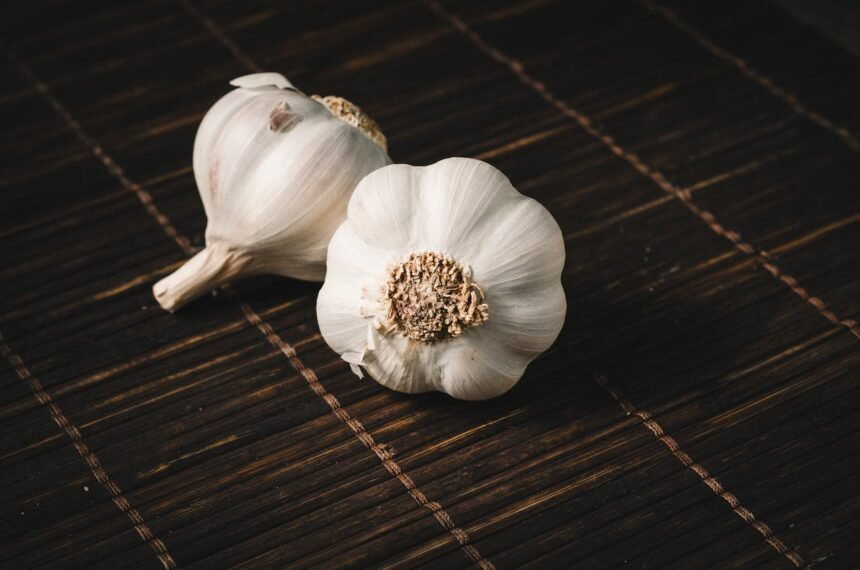
In an era increasingly focused on holistic wellness and preventative medicine, the quest for effective natural remedies has led many to re-examine the wisdom of ancient traditions. Among these time-honored botanical powerhouses, garlic (scientific name Allium sativum) stands out as a singularly potent and extensively researched agent. Revered for millennia across diverse cultures, from ancient Egypt and Greece to traditional Chinese and Indian medicine, garlic has been much more than a culinary staple; it has been a cornerstone of proactive health management.
Today, scientific inquiry continues to validate what our ancestors intuitively understood. Modern research illuminates garlic’s profound benefits, particularly in bolstering cardiovascular health and fortifying the immune system. This article delves into the bioactive mechanisms through which garlic operates, positioning it as an indispensable natural ally in the pursuit of long-term health and resilience. As professionals navigate demanding environments, understanding and integrating such powerful natural remedies can be a strategic move towards sustainable well-being.
The Allicin Advantage: Unpacking Garlic’s Bioactive Compounds
The remarkable therapeutic properties of garlic are primarily attributed to its complex array of sulfur-containing compounds. The star among these is allicin, an unstable, pungent compound responsible for garlic’s characteristic aroma and much of its biological activity. However, allicin itself isn’t present in intact garlic cloves. It’s a fascinating display of biochemical ingenuity.
The Genesis of Allicin
When raw garlic is crushed, chopped, or chewed, a cascade of enzymatic reactions is triggered. An enzyme called alliinase, stored in separate vacuoles within the garlic cells, comes into contact with its precursor, alliin. This interaction swiftly converts alliin into allicin. This chemical defense mechanism in plants translates into a powerful health benefit for humans. Allicin is highly reactive and quickly breaks down into other beneficial organosulfur compounds, including diallyl disulfide (DADS), diallyl trisulfide (DATS), and ajoene, among others. These derivatives collectively contribute to garlic’s extensive health profile, working synergistically to exert their therapeutic effects. Understanding this enzymatic process is crucial, as it underscores why fresh, raw, or lightly processed garlic often yields the greatest health benefits. The historical and scientific understanding of garlic’s active compounds is well-documented, highlighting its long-standing role in health practices worldwide, as explored by sources like Wikipedia on Alliums.
Garlic and Cardiovascular Health: A Proactive Approach
Cardiovascular diseases remain a leading cause of mortality globally. Integrating proactive natural remedies like garlic into a comprehensive health strategy offers a compelling avenue for mitigating risk factors. Garlic’s multifaceted action on the cardiovascular system makes it a standout contender in this regard.
Blood Pressure Regulation
Numerous studies have explored garlic’s hypotensive effects. Its active compounds, particularly allicin and its derivatives, are believed to stimulate the production of nitric oxide, a powerful vasodilator. Nitric oxide helps relax smooth muscles in blood vessels, leading to their widening and subsequently reducing blood pressure. This mechanism helps alleviate the strain on the heart and arteries, a critical factor in preventing hypertension and related cardiovascular complications. Research published on platforms like PubMed Central often provides detailed insights into garlic’s effects on blood pressure.
Cholesterol Management
Hyperlipidemia, characterized by elevated levels of LDL (low-density lipoprotein) cholesterol, is a significant risk factor for atherosclerosis. Garlic has demonstrated a consistent ability to modestly lower total cholesterol and LDL cholesterol levels, while often having a negligible effect on beneficial HDL (high-density lipoprotein) cholesterol. The proposed mechanism involves the inhibition of HMG-CoA reductase, a key enzyme in cholesterol synthesis in the liver, similar to the action of statin drugs. By naturally modulating cholesterol synthesis, garlic presents itself as a valuable complementary approach to maintaining healthy lipid profiles, as supported by findings from institutions like the American Heart Association.
Anti-platelet and Anticoagulant Properties
One of garlic’s most significant contributions to cardiovascular health is its ability to inhibit platelet aggregation and enhance fibrinolytic activity. Platelet aggregation is a crucial step in blood clot formation, which, when excessive, can lead to thrombosis, heart attacks, and strokes. Compounds like ajoene and various thiosulfinates found in garlic interfere with the mechanisms that cause platelets to clump together. This natural “blood-thinning” effect can contribute to smoother blood flow and a reduced risk of dangerous clot formation, as detailed in comprehensive reviews on garlic’s cardiovascular benefits available on authoritative health sites such as MedlinePlus.
Antioxidant Defense
Oxidative stress plays a pivotal role in the pathogenesis of cardiovascular diseases, contributing to endothelial dysfunction and the oxidation of LDL cholesterol (a key step in plaque formation). Garlic is a rich source of antioxidants, including various organosulfur compounds and selenium. These antioxidants neutralize harmful free radicals, protecting cellular components, particularly the delicate lining of blood vessels. By mitigating oxidative damage, garlic helps preserve arterial elasticity and function, offering another layer of proactive defense against cardiovascular ailments. The broad antioxidant capacity of many natural remedies is a shared characteristic that underpins their preventative potential.
Bolstering Immune Defenses: Garlic’s Role in Immunity
Beyond its cardiovascular benefits, garlic is also celebrated for its robust immune-supporting properties, making it an excellent natural remedy for enhancing the body’s defenses against pathogens. In today’s interconnected world, a strong immune system is paramount for overall well-being and resilience.
Direct Antimicrobial Action
Garlic’s historical use as an antiseptic and antimicrobial agent is now firmly backed by scientific evidence. Allicin and its breakdown products exhibit broad-spectrum antimicrobial activity against bacteria, viruses, fungi, and parasites. They achieve this by interfering with vital enzyme systems within microbial cells, disrupting their metabolism and proliferation. This direct action makes garlic a powerful natural agent against common infections, from the bacteria responsible for food poisoning to various strains of influenza viruses. The remarkable efficacy against a wide range of pathogens makes garlic a compelling option among natural remedies for infection prevention, with studies often highlighted by organizations like the National Institutes of Health (NIH).
Immune Modulation
Garlic doesn’t just fight pathogens directly; it also enhances the body’s intrinsic immune responses. It has been shown to stimulate various immune cells, including macrophages, lymphocytes, and natural killer (NK) cells, which are crucial for identifying and eliminating infected cells and cancerous cells. Furthermore, garlic compounds can modulate cytokine production, balancing inflammatory responses and ensuring the immune system reacts appropriately without overreacting. This immunomodulatory capacity suggests that garlic can help optimize immune function, making the body more prepared to fend off challenges. The nuanced way garlic interacts with the immune system underscores its role as a sophisticated natural remedy.
Cold and Flu Prevention
Perhaps one of the most popular uses of garlic as a natural remedy is for preventing and reducing the severity of common colds and influenza. Clinical trials have indicated that regular garlic consumption can significantly decrease the incidence and duration of cold and flu symptoms. This is attributed to its direct antiviral properties combined with its ability to boost immune cell activity. Incorporating garlic into the diet, especially during cold and flu seasons, can serve as a simple yet effective strategy for proactive immune support. The Centers for Disease Control and Prevention (CDC) often emphasizes preventative measures, and incorporating such natural remedies can complement standard health guidelines.
Integrating Garlic into a Wellness Regimen
Harnessing the full spectrum of garlic’s benefits requires an understanding of how best to incorporate it into daily life.
Fresh vs. Supplements
For optimal health benefits, fresh, raw, crushed garlic is generally recommended. Crushing or chopping garlic activates the alliinase enzyme, maximizing allicin formation. Allowing crushed garlic to sit for 5-10 minutes before cooking can also preserve more allicin. Cooked garlic retains some benefits, but heat can degrade allicin. Garlic supplements, available in various forms (aged garlic extract, garlic oil, garlic powder), offer convenience. Aged garlic extract, in particular, has been extensively studied and shown to retain many of garlic’s beneficial compounds without the pungent odor. While supplements can be effective, consulting a healthcare professional is advisable to determine appropriate dosage and quality, as highlighted by health resources like Mayo Clinic.
Dosage and Safety Considerations
For general health maintenance, a common recommendation is 1-2 cloves of fresh garlic per day. For therapeutic purposes, higher doses may be considered under professional guidance. Garlic is generally safe for most individuals, but potential side effects include bad breath, body odor, heartburn, and gastrointestinal upset. It can also interact with certain medications, including blood thinners (due to its anti-platelet effects), antihypertensive drugs, and some antiretrovirals. Always inform your healthcare provider about garlic consumption, especially before surgery or if taking prescription medications. Reliable information on interactions can often be found through professional medical organizations such as the World Health Organization (WHO) or national health databases.
Comparative Overview: Garlic’s Unique Position Among Natural Remedies
While many natural remedies offer distinct health advantages, garlic distinguishes itself through its broad-spectrum efficacy, particularly in the dual arenas of cardiovascular health and immune support. The table below offers a brief comparative look at garlic alongside a few other well-known natural remedies, highlighting their primary benefits and active compounds.
| Natural Remedy | Primary Cardiovascular Benefit | Primary Immune Benefit | Key Bioactive Compounds |
|---|---|---|---|
| Garlic | BP, Cholesterol, Anti-platelet, Antioxidant | Antimicrobial, Immune Modulatory | Allicin, Organosulfurs |
| Turmeric | Anti-inflammatory, Antioxidant | Anti-inflammatory | Curcuminoids |
| Ginger | Anti-inflammatory, Circulation | Anti-inflammatory | Gingerols, Shogaols |
| Hawthorn | Heart failure, BP regulation | Antioxidant | Flavonoids, Procyanidins |
| Echinacea | – | Immune stimulation | Alkylamides, Polysaccharides |
This comparison underscores garlic’s versatile profile, making it a powerful choice for those seeking comprehensive and proactive health support. Its ability to concurrently address multiple facets of cardiovascular risk and immune defense positions it as a highly effective natural remedy in a holistic wellness strategy. Further detailed information on the benefits of various botanicals can be found from resources like the American Botanical Council.
Frequently Asked Questions About Garlic and Health
Q1: What is the best way to consume garlic for maximum health benefits?
A1: For maximum benefits, crush or finely chop fresh garlic and let it sit for 5-10 minutes before consuming or adding to dishes. This activates the alliinase enzyme, maximizing allicin formation. Consuming it raw or lightly cooked preserves more of its potent compounds.
Q2: Are garlic supplements as effective as raw garlic?
A2: Garlic supplements can be effective, particularly aged garlic extract, which has been extensively studied. They offer convenience and standardized dosages. However, the complex synergy of compounds in whole, raw garlic may provide broader benefits. The effectiveness can vary greatly depending on the type and quality of the supplement.
Q3: Can garlic interact with medications?
A3: Yes, garlic can interact with certain medications. It has mild blood-thinning properties and may amplify the effects of anticoagulant and antiplatelet drugs, increasing the risk of bleeding. It can also potentially interact with certain blood pressure medications, HIV medications, and other drugs. Always consult your healthcare provider if you are on medication before significantly increasing garlic intake or starting supplements. Authoritative health sites like Cleveland Clinic often provide comprehensive overviews of such interactions.
Q4: How much garlic should one consume daily for cardiovascular and immune support?
A4: For general health and preventative support, typically 1-2 cloves of fresh garlic daily are recommended. For specific therapeutic effects, some studies use higher doses (e.g., 600-900 mg of aged garlic extract daily), but these should be considered in consultation with a healthcare professional.
Q5: Is garlic safe for everyone?
A5: Garlic is generally safe for most healthy adults. However, pregnant or breastfeeding women should consume it in moderate amounts. Individuals with bleeding disorders, those undergoing surgery, or those on certain medications should exercise caution and consult a doctor due to its blood-thinning properties. It can also cause gastrointestinal discomfort in some sensitive individuals.
Conclusion
Garlic, far from being merely a pungent flavor enhancer, stands as a formidable and scientifically validated natural remedy for promoting cardiovascular health and bolstering immune function. Its rich array of organosulfur compounds, most notably allicin, orchestrates a symphony of beneficial effects, from blood pressure and cholesterol modulation to direct antimicrobial action and immune cell activation. In a world where proactive health strategies are increasingly valued, integrating garlic into a well-rounded diet and lifestyle offers a pragmatic and powerful step toward enduring well-being. By embracing the ancient wisdom now illuminated by modern science, professionals and individuals alike can harness the profound potential of this remarkable bulb to build a foundation of resilient health.