For centuries, a silent war has been waged between the human body and one of history’s deadliest parasites. At the heart of this biological struggle is genetic resistance malaria, a fascinating example of how our DNA has evolved to protect us from disease. While we often think of evolution taking millions of years, the pressure exerted by malaria has shaped the human genome in real-time, particularly in regions where the disease is most prevalent.
Malaria, caused by the Plasmodium falciparum parasite, has been a major selective pressure in human history. To survive, our ancestors developed unique biological “armour” through natural selection. Today, we understand that certain hereditary conditions—many of which are blood disorders—actually offer a protective effect against severe illness.
The Sickle Cell Connection: Nature’s Double-Edged Sword
The most well-known example of genetic resistance malaria is the sickle cell trait. This condition involves a mutation in the HBB gene, which provides instructions for making a protein called beta-globin. When a person inherits one copy of this mutated gene, they possess the sickle cell trait, which significantly reduces the risk of dying from malaria.
How does it work? The mutation causes red blood cells to become sickle-shaped under certain conditions, making it difficult for the parasite to thrive and replicate. While inheriting two copies of the gene leads to sickle cell disease—a serious health condition—having just one copy offers a survival advantage in regions like Sub-Saharan Africa.
- The parasite struggles to penetrate the unusually shaped cell membrane.
- Infected cells are cleared more quickly by the spleen.
- The body produces higher levels of protective enzymes.
Research published by the Wellcome Sanger Institute suggests that this genetic trade-off is one of the clearest examples of evolutionary biology in action within the human species.
Beyond Sickle Cell: Thalassaemia and G6PD Deficiency
Sickle cell is not the only weapon in our genetic arsenal. Other hemoglobinopathies, such as Thalassaemia, also play a critical role in genetic resistance malaria. These conditions involve the body producing an abnormal form or inadequate amount of haemoglobin.
Similarly, G6PD deficiency—an enzyme disorder—prevents the malaria parasite from growing effectively. Because the parasite requires the host’s cellular resources to multiply, a deficiency in the G6PD enzyme creates a “hostile” environment that slows down the infection. According to the Mayo Clinic, while these conditions can cause anaemia, they have persisted in the gene pool because of the protection they offer against lethal malaria strains.
The Duffy Antigen and P. vivax
In many parts of Africa, a specific mutation called the Duffy antigen negative phenotype provides almost total resistance to Plasmodium vivax, another common malaria parasite. The parasite uses the Duffy protein as a “doorway” to enter the red blood cell. Without this protein, the parasite is effectively locked out.
Comparing Genetic Resistance Mechanisms
The following table outlines how different genetic traits provide a protective effect against various forms of the disease.
| Genetic Trait | Primary Mechanism | Geographic Prevalence |
|---|---|---|
| Sickle Cell Trait | Deforms red blood cells; inhibits parasite replication. | Africa, India, Mediterranean. |
| Alpha-Thalassaemia | Smaller red blood cells; limits parasite growth. | Southeast Asia, Mediterranean. |
| G6PD Deficiency | Increases oxidative stress; kills parasite. | Global, concentrated in malaria zones. |
| Duffy Negative | Removes receptor for P. vivax entry. | West and Central Africa. |
The Modern Challenge: Antimalarial Resistance
While our bodies have evolved genetic resistance malaria, the parasites themselves are fighting back. Antimalarial resistance is a growing concern for global health organisations. In parts of Southeast Asia, the parasite has developed the ability to survive treatments like artemisinin, which was once a “silver bullet” for the disease.
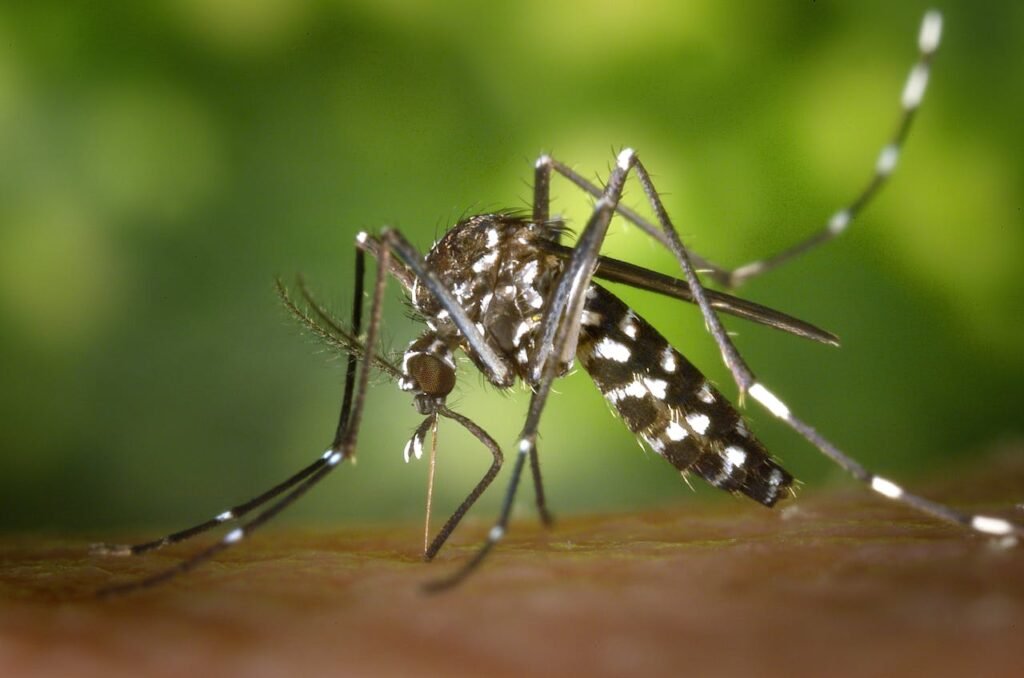
To combat this, the London School of Hygiene & Tropical Medicine is working on integrated strategies that combine vector control (like bed nets) with new medical interventions. Experts at Imperial College London are also exploring gene drive technology to alter mosquito populations so they can no longer transmit the parasite.
Future Horizons: Genetics and Public Health
Understanding the nuances of genetic resistance malaria allows scientists to develop more targeted vaccines. By studying how certain populations naturally resist the disease, researchers at Nature and the University of Oxford are finding new pathways to mimic these natural defences through medicine.
Current efforts include:
- Developing vaccines that target the Duffy antigen pathway.
- Utilising genomic sequencing to track antimalarial resistance in real-time.
- Improving vector control through genetically modified mosquitoes.
- Scaling up gene drive technology trials in controlled environments.
If you are travelling to a high-risk area, it is vital to consult the NHS or the CDC for the latest advice on prevention and prophylaxis. Even if you have a genetic trait that offers protection, no one is 100% immune to all complications of the disease.
Frequently Asked Questions (FAQs)
Can someone be completely immune to malaria?
No. While certain genetic traits like the Duffy negative phenotype can provide near-total resistance to specific strains like P. vivax, no one is fully immune to all types of malaria. Genetic factors usually reduce the severity of the illness rather than preventing infection entirely. Learn more about the biology of infection at Science.org.
Why hasn’t evolution eliminated malaria yet?
Evolution is an ongoing “arms race.” As human genetics adapt to resist the parasite, the parasite evolves to bypass those defences. This cycle is a core concept in evolutionary medicine. Additionally, some protective traits come with health costs, like sickle cell anaemia, which limits how widely they can spread in the population.
Is genetic resistance to malaria hereditary?
Yes, these traits are passed down from parents to children through DNA. This is why you see a higher prevalence of these genetic markers in populations that have lived in malaria-endemic regions for thousands of years. Research on these patterns is frequently updated by the Malaria Consortium.
How does G6PD deficiency protect against malaria?
G6PD deficiency causes red blood cells to break down prematurely when exposed to certain stresses. Since the malaria parasite needs healthy red blood cells to complete its life cycle, this premature breakdown interrupts the parasite’s development. For detailed clinical perspectives, visit The Lancet or PubMed Central.
Does gene drive technology affect human DNA?
No, gene drive technology is currently focused on the mosquitoes that carry the disease, not humans. The goal is to reduce the mosquito’s ability to breed or carry the parasite. Organisations like the Wellcome Trust fund research into the ethical and biological implications of these technologies to ensure they are safe for the environment.