For millions of people, the quest for physical fitness is often hampered by the harsh reality of gravity. Every step on the pavement or repetition in the squat rack sends impact forces reverberating through the skeletal system. However, there is a medium that neutralizes these forces while offering resistance up to 12 times greater than air: water. Low impact swimming for joints is not merely a compromise for the injured; it is a superior training modality that combines cardiovascular endurance with muscular strength, all while protecting the body’s delicate structural integrity.
Whether you are managing arthritis, recovering from an athletic injury, or simply seeking a sustainable way to age gracefully, the pool offers a sanctuary. In this comprehensive guide, we will explore the science of aquatic therapy, analyze the biomechanics of joint-friendly strokes, and provide actionable workout plans to help you harness the gentle power of water.
The Science of Suspension: Why Water Works
Understanding why swimming is effective requires a brief look at physics. When you submerge yourself in water up to your neck, you experience an apparent loss of 90% of your body weight. This is due to Archimedes’ principle, which states that the upward buoyant force exerted on a body immersed in a fluid is equal to the weight of the fluid that the body displaces.
Buoyancy vs. Gravity
For an individual weighing 200 pounds, the load on the knees and hips while standing in deep water drops to roughly 20 pounds. This drastic reduction allows for a range of motion that might be excruciating on land. According to the Arthritis Foundation, this buoyancy supports weak muscles and improves flexibility without the risk of falling or high-impact trauma.
Hydrostatic Pressure
Beyond buoyancy, water exerts hydrostatic pressure—the force of the fluid pressing against the body. This pressure assists in venous return (the flow of blood back to the heart) and can significantly reduce edema (swelling) in joints. Research published by the National Center for Biotechnology Information (NCBI) indicates that aquatic exercise can alleviate pain and improve physical function in patients with osteoarthritis effectively due to these unique fluid dynamics.
Biomechanics: Choosing the Right Stroke
Not all swimming strokes are created equal when it comes to joint preservation. While the water buffers impact, poor technique can still lead to repetitive strain injuries. Here is a breakdown of strokes based on joint safety.
1. Freestyle (Front Crawl)
- Joint Impact: Low to Moderate.
- Focus: Shoulders and core.
- The Caveat: High elbow recovery and proper body rotation are essential to prevent “swimmer’s shoulder” (impingement).
- Recommendation: Use a snorkel to eliminate the need for excessive head turning, which protects the cervical spine.
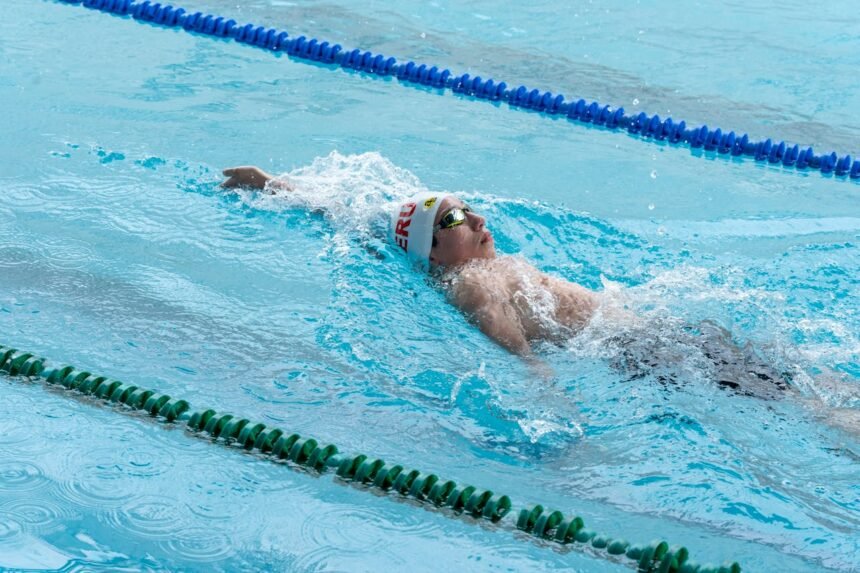
2. Backstroke
- Joint Impact: Very Low.
- Focus: Spine alignment and chest opening.
- The Benefit: As noted by Johns Hopkins Medicine, backstroke is excellent for back pain relief because the water supports the spine in a neutral position, countering the hunched posture often developed from desk work.
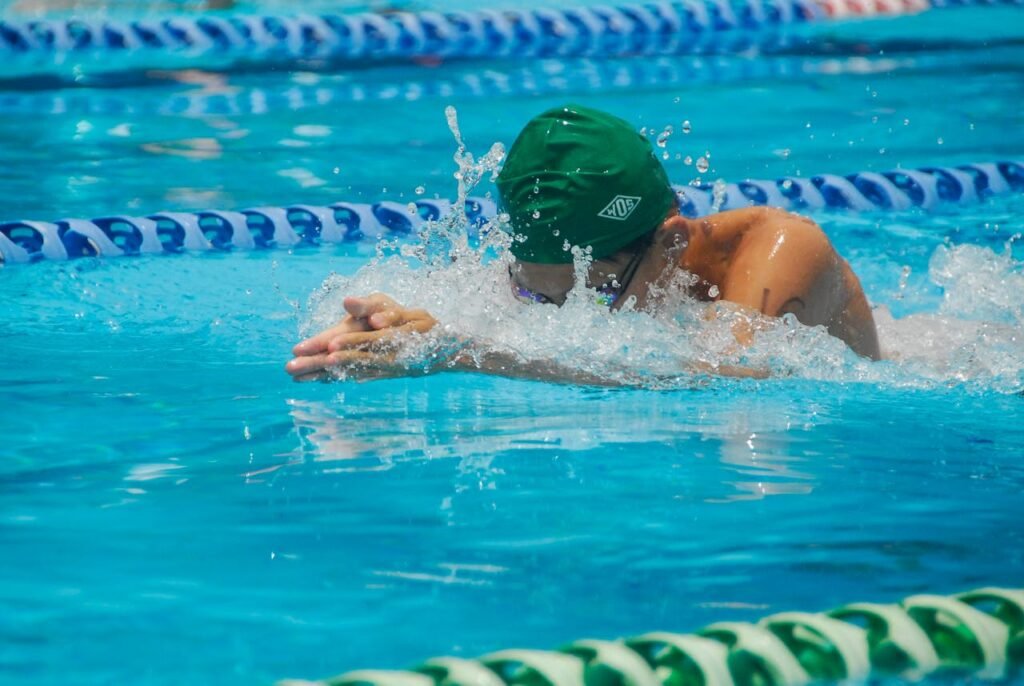
3. Breaststroke
- Joint Impact: Moderate to High (specifically for knees).
- Focus: Hips and inner thighs.
- The Warning: The whip kick places significant torque on the medial collateral ligament (MCL). According to the Cleveland Clinic, “breaststroke knee” is a common issue. If you have knee problems, modify this stroke by using a flutter kick instead of the traditional frog kick.
Comparative Analysis: Land vs. Water
To visualize the advantage of low impact swimming for joints, consider the forces applied to the body during different common exercises.
| Exercise Type | Impact Force (approx. x Body Weight) | Calorie Burn (per hour/155lb person) | Joint Risk Factor | Primary Resistance Source |
|---|---|---|---|---|
| Running (Asphalt) | 2.5x – 3.0x | ~700 | High (Knees, Ankles, Hips) | Gravity & Ground Reaction |
| Tennis | 3.0x – 5.0x (during cuts) | ~500 | High (Knees, Shoulders, Elbows) | Gravity & Momentum |
| Cycling | Low (Non-weight bearing) | ~550 | Low/Moderate (Knee tracking issues) | Mechanical Friction |
| Swimming | Negligible (~0) | ~500 – 700 | Very Low | Fluid Drag (Viscosity) |
| Water Aerobics | < 0.5x | ~300 | Very Low | Fluid Drag |
Data interpolated from Harvard Health Publishing estimates.
Structured Low-Impact Workouts
To maximize benefits without overexerting yourself, structure is key. Aim for 30-45 minutes per session. Always consult a physician before starting a new regimen.
Workout A: The Joint Mobilizer (Beginner)
This session focuses on range of motion and getting comfortable with buoyancy.
- Warm-up (5 mins): Water walking in waist-deep water. Swing arms gently to engage the shoulders.
- Main Set (20 mins):
- 4 x 25m Kickboard legs only (Flutter kick). Keep movements small and from the hips, not the knees.
- 4 x 25m Backstroke (slow pace). Focus on reaching long and keeping the hips high.
- 2 mins Tread water (gentle sculling movements).
- Cool Down (5 mins): Hold the wall and perform gentle hamstring and calf stretches in the water.
Workout B: The Cardio-Soother (Intermediate)
For those looking to raise their heart rate without raising their risk of injury.
- Warm-up (10 mins): 200m easy swim (mix of freestyle and backstroke).
- Main Set (25 mins):
- Pyramid Set: Swim 50m, rest 30s; Swim 100m, rest 45s; Swim 150m, rest 60s; Swim 100m, rest 45s; Swim 50m, rest 30s.
- Tip: Use a pull buoy between your legs. This isolates the upper body and prevents your legs from sinking, reducing drag and protecting the lower back.
- Cool Down (5 mins): Slow double-arm backstroke.
Essential Equipment for Joint Protection
While swimming is naturally low impact, using the right tools can further reduce strain.
- Center Snorkel: Allows you to keep your head face down, eliminating the twisting motion of the neck during breathing. This is crucial for those with cervical spine issues.
- Fins: Short-blade fins increase propulsion and buoyancy for the legs, taking the load off the shoulders. However, avoid long-blade fins if you have weak ankles, as the resistance may be too high.
- Pull Buoy: A foam device placed between the thighs. It is highly recommended by WebMD experts for those with lower body injuries, as it allows you to swim using only your upper body.
Beyond the Pool: Hydration and Nutrition
It is a common myth that you do not sweat while swimming. You do, but the water washes it away immediately. Dehydration can lead to muscle cramping and reduced joint lubrication.
- Hydration: Drink water before, during, and after your swim. The American Heart Association emphasizes that hydration is critical for heart health and muscle recovery.
- Anti-Inflammatory Nutrition: Complement your low-impact training with a diet rich in Omega-3 fatty acids (salmon, walnuts) to further reduce joint inflammation.
When to Stop: Listening to Your Body
Even in water, overuse injuries can occur. “Swimmer’s shoulder” is the most common complaint. If you feel sharp pain (as opposed to muscle fatigue) in the front of your shoulder, stop immediately. It usually indicates that your hand is entering the water thumb-first or crossing the midline of your body.
Consult guidelines from the Centers for Disease Control and Prevention (CDC) regarding safe swimming practices, especially if you have pre-existing chronic conditions.
Conclusion: Take the Plunge
Swimming offers a unique paradox: it is gentle enough for the elderly and those in rehabilitation, yet challenging enough for elite athletes. By utilizing low impact swimming for joints, you are not just exercising; you are engaging in a therapeutic practice that decompresses the spine, strengthens the supporting musculature, and improves cardiovascular health without the wear and tear of terrestrial sports.
The water is waiting to support you. Grab your goggles, leave the gravity of the dry land behind, and discover the healing potential of the pool.
Disclaimer: This article is for informational purposes only and does not constitute medical advice. Always consult with a healthcare professional before beginning any new exercise program.