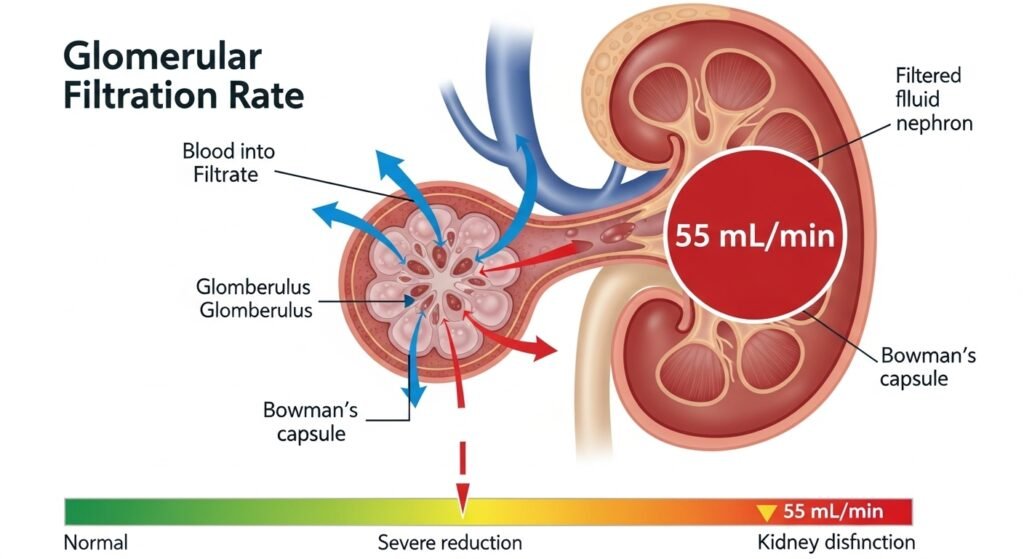
Receiving blood work results can sometimes feel like deciphering a complex code. If your recent lab tests show an estimated Glomerular Filtration Rate (eGFR) of 55, you likely have many questions. You might be wondering, what does a gfr of 55 mean for my health? Simply put, GFR measures how efficiently your kidneys filter waste from your blood. A score of 55 indicates a mild to moderate decrease in kidney function.
While this number warrants attention, it is not a reason to panic. With proactive management, you can protect your kidneys and maintain your overall well-being. By understanding different kidney stages, you can take the necessary steps to preserve your renal health. Let’s dive into what this measurement means and how you can manage it.
The Basics of Stage 3a Kidney Disease
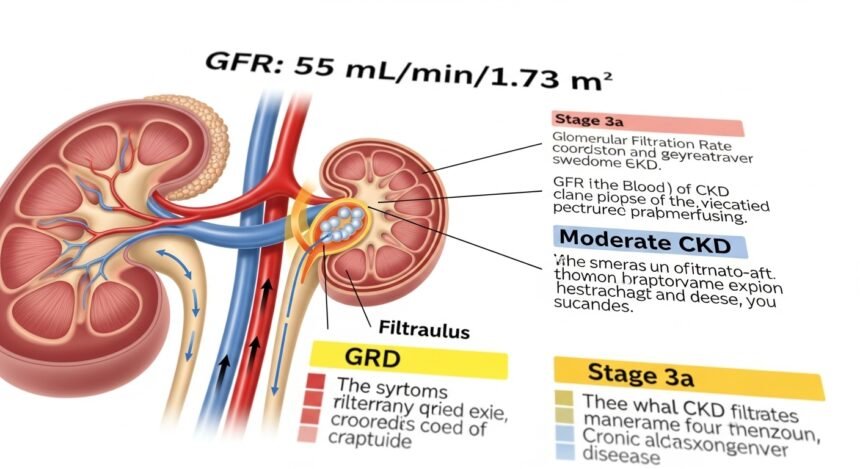
A common question patients ask their nephrologist is, is gfr 55 considered chronic kidney disease? The short answer is yes. According to the guidelines on CKD stages provided by the National Kidney Foundation, an eGFR between 45 and 59 falls into Stage 3a Chronic Kidney Disease (CKD).
However, context matters immensely. For example, gfr 55 in older adults is incredibly common. As we age, our organs naturally lose some of their functional capacity. In fact, many specialists consider a normal gfr 55 for a 60 year old to be a natural part of the aging process rather than an acute crisis, as noted in research on age-related GFR decline published by Oxford Academic. Regardless of age, recognizing early kidney disease symptoms is crucial for preventing further decline.
Recognizing Symptoms and Tracking Progression
In the early stages of CKD, many people feel completely fine. The symptoms of egfr 55 kidney function are often subtle or entirely absent. If symptoms do occur, they might include mild fatigue, changes in urination frequency, or slight swelling in the hands and feet.
Because symptoms are rare at this stage, routine blood work is your best guide. Consistent monitoring gfr 55 progression helps your doctor track changes over time. Physicians typically use a standard creatinine blood test outlined by MedlinePlus to calculate your eGFR. Understanding your baseline creatinine levels ensures that any sudden drops in kidney function are caught immediately. According to chronic kidney disease statistics from the CDC, early detection drastically improves long-term outcomes.
Common Causes of a Reduced GFR
Kidney function does not decline in a vacuum. Various factors can impact your GFR, some of which are temporary. For instance, can dehydration cause gfr 55? Absolutely. Severe lack of fluids reduces blood flow to the kidneys, causing a temporary dip in your filtration rate. Implementing daily hydration habits for healthy kidneys can sometimes restore this number. You can read more about the effects of hydration on renal function in this PubMed study.
Another culprit could be your medicine cabinet. There are specific medications that lower gfr to 55, including over-the-counter pain relievers like ibuprofen. It is vital to understand the link between NSAIDs and potential kidney damage. Always consult WebMD’s list of medications to avoid with kidney disease before starting any new supplement or drug.
Nutrition: Eating for Kidney Health
Diet plays a monumental role in managing Stage 3a CKD. Creating a tailored diet plan for gfr level 55 can significantly reduce the workload on your kidneys. A balanced renal diet focuses on controlling sodium, phosphorus, and sometimes protein intake.
- Limit Processed Foods: Knowing the foods to avoid with a gfr of 55 is your first line of defense. This includes canned soups, fast food, and processed meats, which are loaded with sodium.
- Embrace Plants: Adopting a plant-based diet for gfr 55 has shown incredible promise. Plant proteins are generally easier on the kidneys than animal proteins. The National Kidney Foundation supports plant-based diets for managing CKD.
- Consult a Professional: Utilizing expert renal dietitian services can help you build a menu you actually enjoy.
For culinary inspiration, explore our collection of delicious kidney-friendly recipes. Additionally, you can find comprehensive kidney disease diet recommendations from the NIDDK.
Lifestyle Changes and Natural Interventions
Patients often ask how to improve gfr 55 naturally. While you may not be able to completely reverse gfr 55 to normal levels (especially if structural damage has occurred), you can absolutely stabilize it and prevent it from dropping further.
Physical activity is highly beneficial. Following safe exercise guidelines for gfr 55 patients helps control blood pressure and blood sugar—the two leading causes of kidney disease. Establishing consistent CKD exercise routines improves cardiovascular health. Johns Hopkins Medicine highlights the benefits of exercise for kidney patients, noting that it boosts overall energy and resilience.
Furthermore, managing underlying conditions is non-negotiable. High blood pressure damages the delicate blood vessels in your kidneys. Managing your blood pressure effectively is crucial, as supported by Harvard Health’s insights on hypertension and kidneys. Similarly, keeping your blood sugar in check is vital. Explore our guide on the connection between diabetes and long-term kidney health, and refer to the World Health Organization’s data on diabetes complications for more context.
Long-Term Outlook
A diagnosis of Stage 3a CKD can be daunting, leading many to worry about the life expectancy with gfr 55. Fortunately, the prognosis is generally very positive. Because a GFR of 55 represents only a moderate decrease in function, most individuals go on to live long, fulfilling lives without ever progressing to kidney failure.
To maintain this positive outlook, focus on holistic well-being. Managing chronic stress effectively lowers cortisol levels, which benefits your whole body. Always speak to your doctor before taking herbal supplements for kidney health, as some can do more harm than good.
Ultimately, your kidneys are closely tied to your heart. Protecting your cardiovascular system, as recommended by the American Heart Association’s cardiovascular and kidney health guidelines, will inadvertently protect your renal function. For a comprehensive overview of how your kidneys work, review the Cleveland Clinic’s guide to kidney function.
By taking a proactive approach—adjusting your diet, staying hydrated, exercising, and monitoring your health—a GFR of 55 becomes a manageable metric rather than a defining limitation. Protect your kidneys today for a healthier tomorrow.