Ginger is one of the most popular spices in the world. It has a warm, zingy flavour that makes curries delicious and biscuits delightful. But ginger is more than just a tasty ingredient. For thousands of years, healers have used it to treat ailments ranging from upset tummies to the common cold.
While fresh ginger is fantastic, ginger root powder is a convenient and potent alternative. It sits happily in your spice cupboard, ready to offer a health boost whenever you need it. Whether you are looking for an immune system booster or a natural way to settle your stomach, this golden powder packs a punch.
In this article, we will explore the impressive benefits of ginger powder, how it compares to fresh ginger, and simple ways to add it to your daily routine.
Key Takeaways
* Potent Medicine: Ginger powder contains concentrated compounds called shogaols which have strong anti-inflammatory effects.
* Stomach Relief: It is highly effective at reducing nausea, morning sickness, and indigestion.
* Pain Killer: Daily consumption may reduce muscle pain and soreness from exercise.
* Heart Health: Ginger may help lower blood sugar levels and improve heart disease risk factors.
* Versatile: You can easily add it to tea, smoothies, soups, and savoury dishes.
What Is Ginger Root Powder?
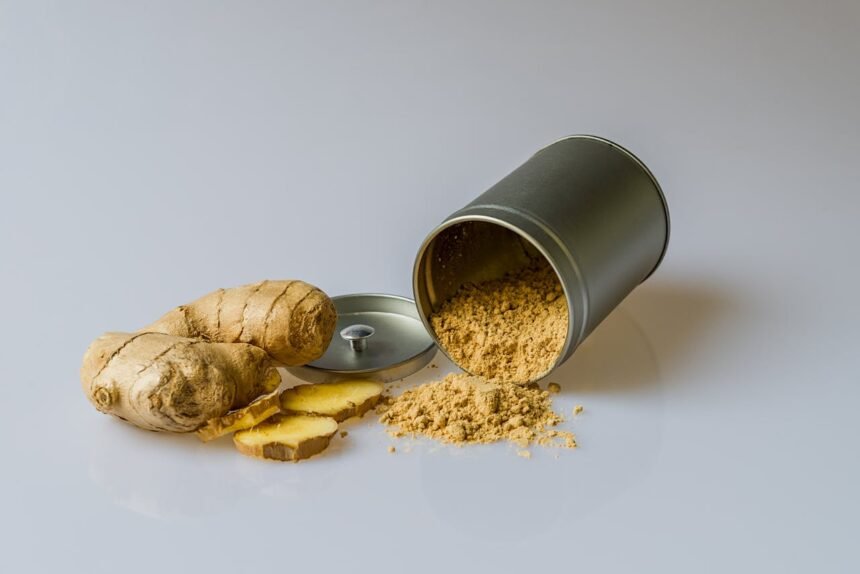
Ginger powder comes from the rhizome (underground stem) of the Zingiber officinale plant. This plant is related to turmeric and cardamom. To make the powder, the fresh root is dried and then ground into a fine, off-white or yellowish dust.
When ginger is dried, its chemical structure changes slightly. Fresh ginger is rich in a compound called gingerol. However, the drying process converts much of this gingerol into shogaol. Shogaols are incredibly potent antioxidants. This means dried ginger benefits might be even stronger than fresh ginger for certain conditions, like inflammation.
Because it has a long shelf life, ground ginger uses are vast. You can keep it for months without worrying about it going off, unlike the fresh root which can get mouldy in the fridge.
Nutritional Profile and Active Compounds
Ginger powder is low in calories but high in bioactive compounds. You do not eat ginger for vitamins like C or A, as you only consume small amounts. Instead, you eat it for its phytonutrients (plant nutrients).
The main stars of the show are gingerol and shogaol. These compounds are responsible for most of ginger’s medicinal properties. They work as antioxidants in the body. Antioxidants help fight ‘oxidative stress’, which is a process that damages your cells and can lead to ageing and disease.
Research shows that these compounds can help your body fight off germs. This is why many people reach for ginger tea when they feel a cold coming on.
Soothes Nausea and Improves Digestion
If you have ever felt sick after a car ride or during pregnancy, someone has probably offered you a ginger biscuit. There is real science behind this old remedy. Ginger is famous for its ability to settle a queasy stomach.
Morning Sickness
For pregnant women, morning sickness relief is a top priority. Studies suggest that ginger can significantly reduce feelings of nausea. It is considered safe for most pregnant women, but it is always best to check with your GP or midwife first. You can read more about managing sickness in pregnancy on the NHS website.
Indigestion
Many people suffer from chronic indigestion (dyspepsia). This often happens when the stomach takes too long to empty. Ginger has been shown to speed up the emptying of the stomach. By moving food along the digestive tract more quickly, ginger tea for digestion can prevent that uncomfortable, bloated feeling after a big meal.
Using spices for gut health is a gentle way to support your body without relying on medication. A simple cup of hot water with a half-teaspoon of ginger powder can work wonders.
Reduces Inflammation and Relieves Pain
Inflammation is your body’s natural response to injury. However, when inflammation becomes chronic (long-term), it can cause serious health issues like arthritis. Ginger powder acts as a natural anti-inflammatory agent.
Joint Pain and Osteoarthritis
Osteoarthritis is a common health problem in the UK. It involves the degeneration of joints, leading to pain and stiffness. Some studies have found that people who took ginger extract experienced less pain and needed less pain medication. It is one of the most promising anti-inflammatory spices available in your local supermarket.
For more information on managing joint pain naturally, you can visit Versus Arthritis.
Muscle Pain
Did you push yourself too hard at the gym? Ginger might help. While it won’t fix the pain instantly, taking ginger daily can reduce the muscle soreness that happens a day or two after exercise. It is one of the effective natural pain relief methods for athletes.
Menstrual Pain
For many women, period pain can be debilitating. Surprisingly, ginger powder appears to be very effective here. Some research suggests it works as well as common pain medications like ibuprofen when taken at the start of the menstrual period. Using ginger for menstrual cramps is a simple, natural remedy worth trying.
May Lower Blood Sugar and Heart Disease Risk
This is a relatively new area of research, but the findings are exciting. Ginger may have powerful anti-diabetic properties. High blood sugar is a major risk factor for many diseases.
In a 2015 study, participants with type 2 diabetes who took ginger powder saw a significant drop in their fasting blood sugar. It also improved their long-term blood sugar markers. You can learn more about diet and diabetes management from Diabetes UK.
Cholesterol Levels
High levels of LDL (bad) cholesterol are linked to an increased risk of heart disease. Some evidence suggests that lowering cholesterol naturally is possible with dietary changes, including the addition of ginger. The powder has been shown to reduce LDL cholesterol and blood triglyceride levels in both animal and human studies.
Maintaining a healthy heart involves a balanced diet. The British Heart Foundation recommends using herbs and spices like ginger to flavour food instead of salt, which helps lower blood pressure.
Fresh Ginger vs Ginger Powder: Which Is Best?
You might wonder if you should stick to fresh root or switch to powder. Both are excellent, but they have different strengths.
* Fresh Ginger: Contains more gingerol. It has a brighter, zestier taste. It is great for stir-frys and fresh juices. It is also effective against viral infections.
* Ginger Powder: Contains more shogaol. It has a deeper, spicier, and more savoury flavour. It is often better for pain relief and inflammation because shogaols are more potent in this regard. It is also much easier to measure for ginger powder dosage.
If you want convenience and a longer shelf life, powder is the winner. If you want a fresh kick in your tea, the root is best. However, for baking and medicinal consistency, powder is often preferred. You can find excellent recipes using both at BBC Good Food.
Easy Ways to Add Ginger Powder to Your Diet
Adding ginger to your diet is incredibly easy. You don’t need to be a master chef. Here are some simple ideas:
1. Morning Tea: Add 0.5 to 1 teaspoon of powder to hot water with lemon and honey. This is a classic immune system booster.
2. Smoothies: A pinch of ginger goes well with banana, apple, or spinach smoothies. It adds warmth without overpowering the fruit.
3. Curries and Soups: Cooking with ginger powder is standard in Indian and Asian cuisine. Add it at the start of cooking with onions and garlic.
4. Baking: It is essential for gingerbread, but try adding it to banana bread or apple crumble for a spicy twist.
5. Ginger Shots: You can make homemade ginger shots by mixing ginger powder, turmeric powder, lemon juice, and a pinch of black pepper in a small glass of water. Down it in one go for a morning wake-up call!
For general advice on healthy eating and supplements, Healthline provides a wealth of information.
Potential Side Effects and Safety Precautions
While ginger is safe for most people, you can have too much of a good thing. Consuming huge amounts can cause mild side effects.
* Digestive Issues: High doses might cause heartburn, diarrhoea, or mouth irritation in some people.
* Pregnancy: While helpful for sickness, pregnant women should stick to standard food amounts or consult a doctor before taking concentrated supplements.
* Medication Interactions: Ginger can thin the blood slightly. If you are on blood-thinning medication like warfarin, talk to your doctor. Ginger supplementation safety is generally high, but caution is needed with specific drugs.
So, what is the right amount? A standard recommendation is 1–1.5 grams per day for nausea, and up to 4 grams per day for pain relief. Always start small to see how your body reacts. You can check safety details at the NCCIH.
The Bottom Line
Ginger root powder is one of the very few ‘superfoods’ that is actually worthy of the term. It is cheap, easy to find, and backed by solid science. From settling a dodgy tummy to fighting long-term inflammation, its benefits are vast.
Whether you sprinkle it on your porridge, mix it into a curry, or drink it as a tea, adding this spice to your life is a small change that can make a big difference to your health. Just remember to buy a high-quality organic powder if you can, to avoid unwanted pesticides.
If you are interested in the deeper science behind spices, you can read research summaries from Cancer Research UK or explore global studies on the National Institutes of Health database. For a broader look at nutrition, The Nutrition Source at Harvard is also a trusted guide.
Make ginger a habit today, and your body will likely thank you for it tomorrow.