Goat meat, often referred to as chevon or caprine, is a staple protein in many cultures across the globe. While it may be less common in some Western supermarkets, its nutritional profile is gaining recognition among health enthusiasts and medical professionals alike. As a lean alternative to traditional red meats, the vitamins and minerals found in goat meat offer a range of systemic benefits, from cardiovascular support to metabolic enhancement.
When considering the essential vitamins in organic grass fed goat meat, it is important to note that the diet of the animal significantly impacts the micronutrient density. Grass-fed varieties typically contain higher levels of omega-3 fatty acids and specific fat-soluble vitamins compared to grain-fed counterparts. For those looking to optimise their diet, understanding these nuances is key to achieving better health outcomes.
Goat Meat Nutrition Facts for Low Fat Diets
For individuals focusing on weight management or heart health, goat meat nutrition facts for low fat diets are particularly impressive. Goat meat is remarkably lean, containing significantly less fat and saturated fat than beef or lamb. Despite being low in calories, it remains highly satiating due to its dense protein structure.
According to research from the Mayo Clinic Research, reducing saturated fat intake is a cornerstone of managing cholesterol levels. Because goat meat has a lower total fat content, it allows for a high-protein intake without the inflammatory risks associated with the marbled fats found in other red meats. Integrating this protein can be a vital part of healthy lifestyle choices for those monitoring their lipid profiles.
Comparing Vitamin B12 Levels in Goat Meat vs Lamb
One of the most frequent questions regarding red meat is the concentration of Cobalamin, or Vitamin B12. When examining vitamin b12 levels in goat meat vs lamb, both meats serve as excellent sources, though they offer slightly different profiles. Vitamin B12 is essential for nerve function and the production of DNA and red blood cells.
While lamb is often touted for its B12 content, goat meat provides a comparable and highly bioavailable alternative. For those following nutrition guide recommendations to boost energy levels and cognitive function, goat meat serves as a powerful dietary inclusion. The NHS Health A-Z highlights that a deficiency in B12 can lead to extreme tiredness and lack of energy, making these meat sources vital for those at risk.
How Much Vitamin B12 is in Cooked Goat Meat?
Quantifying the nutrients is essential for precise dietary planning. So, exactly how much vitamin b12 is in cooked goat meat? On average, a 100-gram serving of cooked goat meat provides approximately 1.1 to 1.2 micrograms of Vitamin B12. This accounts for nearly 50% of the daily recommended intake for most adults. Regular consumption can help prevent megaloblastic anaemia and support the nervous system.
Goat Meat Nutritional Benefits for Iron Deficiency and Pregnancy
Anaemia remains a significant global health concern, particularly among women of childbearing age. The goat meat nutritional benefits for iron deficiency are profound. Goat meat contains heme iron, the form of iron most easily absorbed by the human body. This makes it a superior choice compared to plant-based iron sources for rapidly restoring ferritin levels.
The World Health Organization emphasises the importance of iron in preventing maternal anaemia. For expecting mothers, ensuring adequate micronutrient intake is paramount. Goat meat vitamins for pregnancy nutrition include not only iron but also folate and various B-complex vitamins that are essential for foetal neural development. Always consult expert consultations when planning a pregnancy diet to ensure all nutritional needs are met.
Is Goat Meat a Good Source of Vitamin B6?
When people ask, “is goat meat a good source of vitamin b6?”, the answer is a definitive yes. Vitamin B6 (pyridoxine) plays a crucial role in protein metabolism, neurotransmitter synthesis, and immune function. Goat meat provides a significant portion of the daily requirement for B6, which helps the body regulate blood sugar levels and produce haemoglobin.
For those managing chronic conditions, Vitamin B6 is essential for maintaining a healthy immune response. Research published in Nature Medicine suggests that B-vitamins are foundational for cellular repair and metabolic health. Utilising goat meat as a primary protein source can be an effective strategy in preventative care.
Vitamin Content of Roasted Goat Meat vs Beef
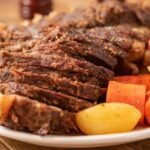
Culinary methods can influence the final nutrient density of your meal. Comparing the vitamin content of roasted goat meat vs beef reveals that while beef is often higher in fat-soluble vitamins like Vitamin K, goat meat frequently retains a higher concentration of water-soluble B-vitamins after the roasting process.
Because goat meat is leaner, it tends to lose less nutrient-rich moisture during slow roasting compared to beef. This makes roasted goat an excellent choice for those seeking a nutrient-dense meal that supports muscle recovery and metabolic rate. For more detailed comparisons, the Harvard Health Publishing provides extensive resources on the nutritional differences between various livestock proteins.
Goat Meat Vitamins and Minerals for Hair Growth
The health of our hair and skin is often a reflection of our internal nutritional status. Goat meat vitamins and minerals for hair growth include a potent combination of zinc, iron, and Vitamin B12. Zinc is particularly important as it plays a role in hair tissue growth and repair, as well as keeping the oil glands around the follicles working correctly.
- Iron helps red blood cells carry oxygen to your cells, making it vital for hair growth.
- Vitamin B12 supports the production of oxygen-rich red blood cells, which feed hair follicles.
- Protein provides the building blocks (keratin) for hair structure.
Those struggling with thinning hair may find that incorporating goat meat into their holistic healing routine provides the necessary raw materials for follicular health. For further guidance on managing hair health through diet, the NICE Guidelines offer evidence-based dietary recommendations.
Trace Minerals and Vitamins in Goat Heart Meat
While muscle meat is the most commonly consumed part of the animal, organ meats are nutritional powerhouses. The trace minerals and vitamins in goat heart meat are exceptionally concentrated. The heart is a rich source of Coenzyme Q10 (CoQ10), a nutrient that acts as an antioxidant and is vital for energy production and cardiovascular health.
In addition to CoQ10, goat heart contains:
- Selenium: A powerful antioxidant that supports thyroid function.
- Copper: Essential for iron metabolism and collagen formation.
- Phosphorus: Important for bone health and cellular repair.
Including organ meats in your diet is a tradition in many cultures that aligns with modern medical research updates regarding nutrient density. For those looking to support their heart health, the British Heart Foundation provides extensive information on how diet influences cardiac longevity.
Summary of Health Benefits
In conclusion, goat meat is a versatile and nutrient-dense protein that deserves a place in a balanced diet. Whether you are looking to improve your vitamin b12 levels in goat meat vs lamb or seeking goat meat vitamins for pregnancy nutrition, this lean meat offers a unique profile of micronutrients that are hard to find in such high concentrations elsewhere.
By choosing organic, grass-fed options, you maximise the essential vitamins in organic grass fed goat meat, ensuring you receive the highest quality of nutrition. From supporting iron deficiency to providing vitamins and minerals for hair growth, goat meat is a powerful tool for maintaining long-term wellness. For more tips on integrating healthy proteins into your lifestyle, visit our Wellness Tips section.