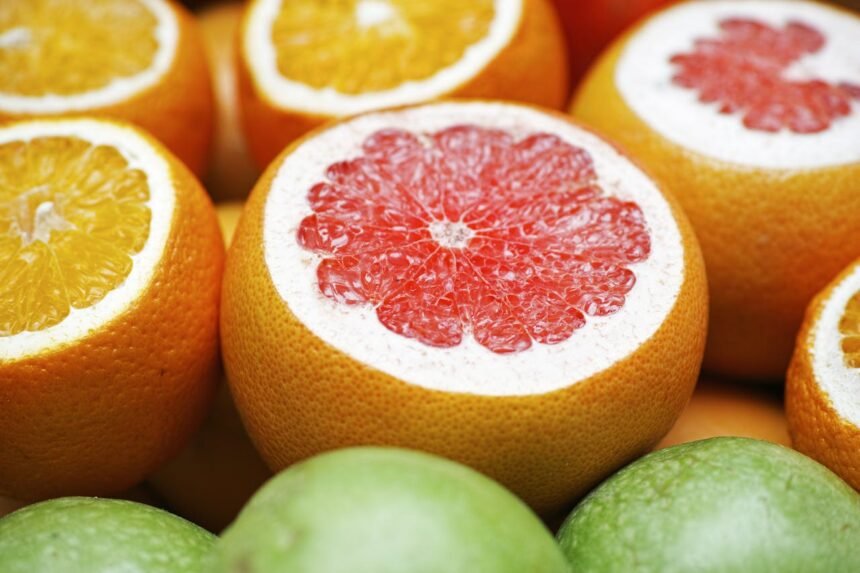
As the temperature rises and the summer sun beats down, maintaining optimal hydration becomes a primary health concern. While reaching for a glass of water is the most obvious solution, many people struggle to consume the recommended daily intake of plain fluids. This often leads to the question: is grapefruit hydrating, and can it play a significant role in your daily fluid requirements?
Fortunately, nature provides a delicious solution. Grapefruit is not only a tangy, refreshing citrus fruit but also a powerhouse of hydration. With a water content rivalling that of watermelon, this subtropical fruit offers a sophisticated profile of electrolytes and vitamins that support fluid balance within the body.
In this article, we explore the science behind grapefruit’s hydrating properties, its nutritional benefits, potential risks regarding medication, and practical ways to incorporate it into your diet.
Overview: The Hydration Powerhouse
Staying hydrated is essential for every bodily function, from regulating body temperature to keeping joints lubricated and delivering nutrients to cells. While drinking water is vital, research suggests that approximately 20% of our daily fluid intake comes from the foods we eat.
Grapefruit is an exceptional candidate for increasing this percentage. Comprising roughly 88% to 91% water, it sits near the top of the hierarchy of hydrating fruits. However, hydration is not merely about water volume; it is also about retention and cellular absorption.
Grapefruit contains key electrolytes, specifically potassium, which helps the body maintain fluid balance. Unlike sugary sports drinks, grapefruit provides these electrolytes alongside fibre and natural sugars, ensuring a slow, steady release of energy without a drastic insulin spike.
For those asking, “is grapefruit hydrating compared to other fruits?” the answer is a resounding yes. Its high water volume, combined with a tart flavour profile that stimulates thirst-quenching satisfaction, makes it a superior choice for hot weather.
Nutritional Factors Behind Hydration
To understand why grapefruit is so effective at keeping you hydrated, we must look at its nutritional composition. It is low in calories yet high in nutrients, earning it the label of a ‘nutrient-dense’ food.
Here is a breakdown of the hydration-related nutrients found in half a medium grapefruit (approx. 123 grams):
| Nutrient | Amount | % of Daily Value (DV) |
|---|---|---|
| Water | ~108 grams | N/A |
| Calories | 52 | N/A |
| Carbohydrates | 13 grams | 4% |
| Fibre | 2 grams | 8% |
| Vitamin C | 38.4 mg | 64% |
| Vitamin A | 71 mcg | 28% |
| Potassium | 166 mg | 4% |
The Role of Electrolytes
Electrolytes are minerals that carry an electric charge when dissolved in your bodily fluids (blood, urine, and sweat). They are critical for hydration because they dictate how your body stores water.
Potassium, found in significant amounts in grapefruit, works in opposition to sodium to maintain healthy blood pressure and fluid levels inside cells. When you sweat, you lose electrolytes. Eating a slice of grapefruit can help replenish these stores more effectively than water alone.
Vitamin C and Skin Hydration
Internal hydration often reflects externally on our skin. Grapefruit is rich in Vitamin C, a vital antioxidant. Vitamin C plays a crucial role in collagen synthesis, the protein that provides structure and elasticity to the skin.
Adequate Vitamin C intake helps protect the skin from sun damage and may improve skin hydration and texture, making grapefruit a dual-action fruit for summer wellness.
Beyond Hydration: Additional Health Benefits
While the answer to is grapefruit hydrating is the primary focus, consuming this fruit offers systemic health benefits that complement a well-hydrated lifestyle.
1. Immune System Support
The high concentration of Vitamin C protects cells from harmful bacteria and viruses. During the summer, when air conditioning and travel can dry out mucous membranes (your first line of defence), maintaining systemic hydration and vitamin intake is crucial for immunity.
2. Weight Management
Grapefruit is frequently associated with weight loss diets, and for good reason. Its high water and fibre content promote feelings of fullness (satiety).
Research indicates that consuming foods with low energy density—meaning few calories for a large volume of food—can help you eat fewer calories overall. The fibre slows the rate at which the stomach empties, keeping you fuller for longer.
3. Heart Health
The combination of fibre, potassium, lycopene, and choline in grapefruit contributes to heart health. According to the British Heart Foundation, increasing fruit and vegetable intake is a primary strategy for reducing cardiovascular risk.
Potassium is particularly important here, as adequate intake is linked to a reduced risk of high blood pressure and stroke.
Safety and Management: Important Interactions
While grapefruit is a healthy choice for most, it is unique in the plant kingdom due to its interaction with medications. This section is critical for safe consumption.
The Furanocoumarin Effect
Grapefruit contains compounds called furanocoumarins. These chemicals inhibit a vital enzyme in your gut known as CYP3A4. This enzyme is responsible for metabolising (breaking down) many medications.
When the enzyme is blocked, more of the medication enters your bloodstream than intended. This can lead to dangerously high levels of the drug in your system, effectively causing an overdose effect.
Common medications that may interact with grapefruit include:
- Statins: Cholesterol-lowering drugs like atorvastatin (Lipitor) and simvastatin (Zocor).
- Calcium Channel Blockers: Blood pressure medications like felodipine and nifedipine.
- Immunosuppressants: Drugs like cyclosporine used after organ transplants.
- Anti-anxiety medications: Specific benzodiazepines like diazepam.
According to the NHS, you should always check the patient information leaflet that comes with your medicine. If you are on medication, consult your GP before adding grapefruit to your regular diet.
Practical Tips for Incorporation
If you have cleared the safety checks, incorporating grapefruit into your diet is an excellent way to boost hydration. Because it is naturally tart, some people shy away from it, but there are numerous ways to enjoy it.
1. The Hydration Salad
Combine grapefruit segments with other water-rich foods for a hydration bomb.
- Mix: Grapefruit segments, sliced cucumber, and fresh mint leaves.
- Dressing: A drizzle of olive oil and a pinch of sea salt (to replenish sodium).
- Why it works: Cucumber is 95% water, pairing perfectly with the 91% water in grapefruit.
2. Infused Water
If you struggle to drink plain water, use grapefruit as a natural flavour enhancer. Slice half a grapefruit (with the rind) and add it to a litre jug of cold water. Let it steep in the fridge for 2 hours.
This provides the essence and some of the water-soluble vitamins without the bulk, making the answer to is grapefruit hydrating relevant even if you don’t eat the flesh.
3. Broiled Dessert
For a warm summer evening treat:
- Cut a grapefruit in half.
- Sprinkle a teaspoon of brown sugar or a drizzle of honey on top.
- Grill (broil) for 2–3 minutes until the sugar caramelises.
- Serve with a dollop of Greek yoghurt for added protein.
4. Smoothies
Grapefruit can be overpowering in smoothies, so balance is key. Blend peeled grapefruit with banana (for creaminess and potassium) and a handful of spinach. The banana neutralises the tartness while maintaining the fibre content.
The Bottom Line
So, is grapefruit hydrating? absolutely. With a water content of roughly 91%, combined with essential electrolytes like potassium and a high dose of Vitamin C, grapefruit is one of the most effective foods for maintaining fluid balance during the summer months.
It offers a low-calorie, nutrient-dense alternative to sugary sodas and sports drinks. Beyond hydration, it supports immune function, skin health, and weight management.
However, due to its ability to interact with common medications via the CYP3A4 enzyme, it is vital to consult with a healthcare professional if you are taking prescription drugs.
If it is safe for you, consider making grapefruit a staple in your fruit bowl this season. Whether eaten raw with a spoon, sliced into a salad, or infused into your water bottle, it provides a refreshing, scientifically backed boost to your hydration regimen.