Grapefruit is a staple of many breakfast tables, celebrated for its tangy, refreshing flavour and impressive profile of vitamins. Whether pink, ruby red, or white, this citrus powerhouse is often touted as a superfood, particularly regarding immune support and weight management strategies. However, a common question arises among health-conscious consumers: Is drinking the juice as beneficial as eating the whole fruit?
When analysing grapefruit juice vs fruit, the answer isn’t simply a matter of preference. While both forms provide essential nutrients, the processing required to turn fruit into juice significantly alters the nutritional landscape. This can impact everything from your blood sugar levels to how full you feel after consumption.
This article explores the comprehensive nutritional differences between grapefruit juice and the whole fruit, helping you decide which fits best into your dietary lifestyle.
Nutritional Breakdown: The Numbers
To truly understand the difference, we must look at the macronutrient and micronutrient profiles side-by-side. While the vitamin C content remains high in both, the removal of solid matter during juicing changes the concentration of sugar and fibre.
Here is a comparison of approximately half a medium pink grapefruit (100g) versus 100ml of unsweetened grapefruit juice.
| Nutrient | Whole Pink Grapefruit (100g) | Unsweetened Grapefruit Juice (100ml) |
|---|---|---|
| Calories | 42 kcal | 39 kcal |
| Carbohydrates | 11 g | 9.2 g |
| Sugars | 7 g | 9 g |
| Fibre | 1.6 g | 0.1 g |
| Vitamin C | 31.2 mg | 30 mg |
| Vitamin A | 58 IU | 20 IU |
| Potassium | 135 mg | 162 mg |
Source: USDA FoodData Central
At a glance, the calorie counts seem similar. However, the critical disparity lies in the fibre content. The whole fruit retains the pulp and membranes, which are rich in dietary fibre, whereas the juice is almost entirely void of this essential nutrient.
The Fibre Deficit: Why Structure Matters
Dietary fibre is arguably the most significant casualty in the transition from whole fruit to juice. The NHS recommends that adults consume 30g of fibre a day, yet many fall short of this target.
Whole grapefruit contains pectin, a type of soluble fibre that has been shown to help lower cholesterol levels and improve blood sugar control. When you consume the whole fruit, you are eating the segments and the thin membranes separating them.
Why fibre is crucial:
- Digestion Speed: Fibre slows down the passage of food through the stomach and small intestine. This results in a more gradual absorption of nutrients.
- Satiety: Fibre adds bulk to your diet. Eating a whole grapefruit requires chewing and digestion time, which sends satiety signals to your brain. Liquid calories, conversely, do not trigger these fullness cues as effectively.
- Gut Health: The insoluble fibre found in the segment walls aids in healthy bowel movements.
When you discard the pulp to produce a clear glass of juice, you lose these mechanical and metabolic benefits.
Sugar Concentration and Glycaemic Response
One of the primary concerns with fruit juice, even unsweetened varieties, is the concentration of sugars. When you squeeze a fruit, you release the intrinsic sugars (fructose) from the plant cells, turning them into what health organisations classify as ‘free sugars’.
The Insulin Spike
Because juice lacks the fibre matrix to slow down digestion, the sugar enters your bloodstream rapidly. This can cause a sharper spike in blood glucose levels compared to eating the whole fruit. For individuals with insulin resistance or type 2 diabetes, managing the glycaemic load is vital.
According to Diabetes UK, while fruit is a healthy choice, juices should be limited to small portions (150ml) due to this rapid absorption rate. Whole grapefruit has a lower Glycaemic Index (GI) than its juice counterpart, making it the safer option for steady energy release.
The “Pith” and Bioactive Compounds
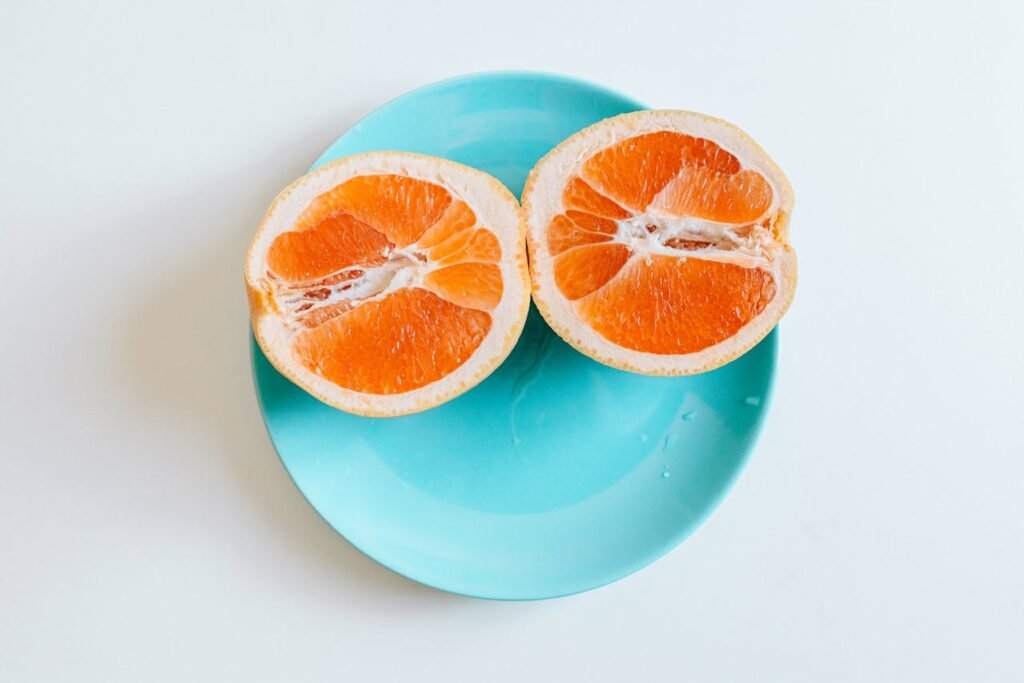
Have you ever meticulously picked off the white, spongy layer (the pith) from a grapefruit before eating it? You might want to stop. That white layer, along with the segment membranes, is rich in antioxidants and flavonoids.
Key compounds found predominantly in the solid parts of the fruit include:
- Naringin: This is a flavonoid that gives grapefruit its characteristic bitterness. It has strong anti-inflammatory and antioxidant properties. While some naringin transfers to the juice, much of it remains in the pulp and membranes.
- Naringenin: A metabolite of naringin, this compound has been linked to DNA repair and may have anti-cancer properties.
Processing and pasteurisation, often used to extend the shelf life of commercial juices, can degrade some of these heat-sensitive antioxidants. By eating the fruit raw and whole, you ensure you are getting the maximum bioavailability of these protective plant compounds.
For more on the importance of antioxidants in your diet, you can read this overview by Medical News Today.
Weight Management: Chewing vs Drinking
If your goal is weight loss or maintenance, the physical act of eating matters. Research generally supports the hypothesis that solid food provides a greater sense of fullness than liquid food.
When you eat a whole grapefruit:
- Mechanical Breakdown: You must chew, which stimulates saliva production and pre-digestive enzymes.
- Time Factor: It takes significantly longer to peel and eat a fruit than to swallow a drink. This duration allows your body’s hunger hormones (like ghrelin) to regulate, signalling that you have eaten.
- Volume: The fibre holds water, creating volume in the stomach without adding calories.
Conversely, it is very easy to consume the caloric equivalent of three grapefruits in a single glass of juice without feeling remotely full. This “passive overconsumption” is a common pitfall in juice-heavy diets. For sustainable weight management, Healthline suggests prioritising whole, unprocessed foods.
A Critical Note on Medication Interactions
Unlike most other fruits, grapefruit has a unique biological interaction with the human body that can be dangerous if ignored. This applies to both the juice and the whole fruit, though juice is often more concentrated and therefore potentially more potent.
Grapefruit contains compounds called furanocoumarins. These chemical compounds inhibit a vital enzyme in your gut known as CYP3A4. This enzyme is responsible for metabolising (breaking down) nearly 50% of all pharmaceutical drugs.
What happens when the enzyme is blocked?
Instead of being metabolised, more of the medication enters your bloodstream than intended. This can lead to an overdose effect or increased side effects.
Common drugs affected include:
- Statins (cholesterol-lowering drugs like simvastatin)
- Calcium channel blockers (for high blood pressure)
- Immunosuppressants
- Certain anti-anxiety medications
The FDA provides a detailed warning regarding these interactions. If you are on prescription medication, it is imperative to consult your GP or pharmacist before adding grapefruit or its juice to your diet.
Practical Tips: Making the Right Choice
Ideally, whole fruit is the superior choice for daily nutrition. However, there are scenarios where juice might be appropriate, provided you are aware of the sugar content.
When to choose Whole Fruit:
- Breakfast: To kickstart digestion and provide sustained energy.
- Snacking: To curb hunger cravings between meals via high fibre content.
- Diabetes Management: To avoid blood sugar spikes associated with liquids.
When Juice might be okay:
- Pre-Workout: If you need a quick source of carbohydrates for immediate energy without the bulk of fibre sitting in your stomach.
- Cooking: Using small amounts of juice for dressings or marinades adds flavour without a massive sugar load.
If you do choose juice, opt for cloudy varieties with pulp added back in, and ensure it is “not from concentrate” to avoid added sugars. Limiting your portion to 150ml (a small glass) is a standard recommendation by the British Heart Foundation.
The Bottom Line
When comparing grapefruit juice vs fruit, the whole fruit is the clear nutritional winner.
While the juice offers a concentrated dose of Vitamin C and potassium, it lacks the vital dietary fibre that regulates digestion, promotes heart health, and keeps you feeling full. Furthermore, the rapid absorption of liquid sugars can lead to unwanted insulin spikes.
Eating the whole fruit—including the fibrous membranes—ensures you benefit from the full spectrum of flavonoids and antioxidants that nature intended.
Key Takeaways:
- Prioritise Fibre: Whole grapefruit supports gut health and satiety.
- Watch the Sugar: Juice counts as free sugars; limit intake to 150ml daily.
- Check Meds: Always verify drug interactions with your healthcare provider regarding grapefruit products.
By choosing the fruit in its natural form, you are making a simple, effective swap that supports long-term health and wellness.