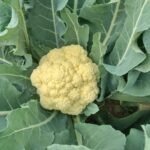
Growing your own vegetables is one of the most rewarding ways to improve your diet and connect with nature. Among the brassica family, growing cauliflower is often regarded as the ultimate test of a gardener’s skill. Unlike the forgiving courgette or the robust potato, cauliflower demands precise conditions, steady growth, and protection from a myriad of pests.
However, the reward of harvesting a pristine, tight white curd from your own allotment or kitchen garden is unmatched by anything you can buy in a supermarket. Beyond the satisfaction of cultivation, fresh cauliflower is a nutritional powerhouse.
This article explains the science behind successful brassica cultivation, outlines the specific requirements for growing in the UK climate, and provides a step-by-step management plan for a bountiful harvest.
Overview: The “College Education” Vegetable
Mark Twain famously described cauliflower as “cabbage with a college education.” This witticism holds a grain of horticultural truth: cauliflower is essentially a refined cabbage where the flower buds (the curd) are eaten before they open.
Successfully growing cauliflower in the UK requires understanding its biological needs. It is a cool-season crop that struggles in extreme heat or drought. The UK’s temperate maritime climate is generally well-suited for brassicas, provided you manage the soil moisture and fertility correctly.
Nutritional Profile
Before digging into the soil, it is worth noting why this vegetable is worth the effort. Cauliflower is high in fibre and B-vitamins. It provides antioxidants and phytonutrients that can protect against cancer. It also contains fibre to enhance weight loss and digestion, choline that is essential for learning and memory, and many other important nutrients.
According to Healthline, one cup of raw cauliflower contains 77% of the RDI for Vitamin C, making it a crucial crop for winter immune health.
Factors Selection and Soil Conditions
To succeed, you must replicate the specific environmental factors that cauliflower requires. Failure usually stems from two issues: checking the growth (interruption in water or nutrients) or loose soil.
Choosing the Right Variety for the UK
In the UK, cauliflowers are categorised by their harvest season. By selecting a mix of varieties, you can technically harvest cauliflower nearly year-round, though this requires advanced planning.
| Type | Sowing Time | Harvest Time | Characteristics |
|---|---|---|---|
| Summer | Jan–March (under glass) | June–August | Fast-growing, smaller heads. Susceptible to heat bolting. |
| Autumn | April–May | Sept–November | Large heads, generally the easiest for beginners. |
| Winter | May–June | Dec–May (next year) | Extremely hardy. Requires overwintering in the ground. |
For beginners, autumn varieties like ‘All The Year Round’ or ‘Goodman’ are often recommended by the Royal Horticultural Society (RHS) because the UK autumn climate provides the cool, moist conditions the curds need to develop slowly and firmly.
Soil pH and Composition
Cauliflower is incredibly hungry. It requires soil that is rich in humus and nitrogen. More importantly, it requires firm soil. If the soil is too loose, the plant will produce a “blown” head (loose curds) rather than a tight one.
Soil Acidity: Brassicas typically fail in acidic soil. They require a pH between 6.5 and 7.5. Acidic soil restricts nutrient uptake and increases the risk of clubroot disease. If your soil is acidic, you must apply garden lime. You can test your levels using kits available from The National Allotment Society.
Preparation: Ideally, prepare the bed the autumn before planting by digging in well-rotted manure. This allows the soil to settle over winter, creating the firm base cauliflower roots need to anchor the heavy plant.

Treatment: Planting and Management
Once your ground is prepared, the active phase of growing cauliflower begins. This involves sowing, transplanting, and a regimen of care that does not allow for neglect.
Sowing the Seeds
While you can sow directly into the ground, starting seeds in modular trays gives you greater control over moisture and protection from pests in the vulnerable seedling stage.
- Sow: Plant seeds 2cm deep in modular trays filled with seed compost.
- Germinate: Keep them moist. Germination usually occurs within 10–14 days.
- Harden Off: If started indoors or in a greenhouse, gradually acclimate plants to outdoor temperatures over a week before planting out.
Transplanting: The “Puddling In” Method
When seedlings have five or six true leaves, they are ready to be moved to their final position. Spacing is vital; overcrowding leads to small heads and fungal issues. Aim for 60cm between plants.
The Critical Step: When planting out, water the hole first (puddling in) and ensure the plant is firm. You should be able to tug a leaf without the plant moving in the soil. Detailed guidance on spacing can be found via Gardeners’ World.
Ongoing Care
Watering: This is the most significant factor. Cauliflowers must never dry out. If growth is checked by drought, the plant may “button” (produce a tiny, useless head prematurely). According to the Met Office, UK rainfall patterns are becoming more variable, so rely on manual checking. Water copiously during dry spells, aiming for the base of the plant.
Feeding: Apply a high-nitrogen fertiliser, such as dried blood or sulphate of ammonia, when the plants are established. This supports the large leaf growth required to fuel the production of the curd.
Blanching: As the white curd begins to form, direct sunlight can turn it yellow and impair the flavour. To prevent this, fold the inner leaves over the developing head. Some modern varieties are “self-blanching,” meaning the leaves naturally curl over the centre.
Practical Tips for Pest Control
No guide to growing cauliflower in the UK is complete without addressing the enemies of the brassica family. You are not the only one who wants to eat your crop.
Clubroot
This is a soil-borne fungal infection that causes roots to swell and distort, killing the plant. It thrives in acidic, wet soils.
- Prevention: Raise the soil pH with lime. Improve drainage.
- Management: If you have clubroot present, you must grow resistant varieties and practice strict crop rotation. The Soil Association offers excellent advice on organic rotation methods.
Cabbage White Butterfly
The caterpillars of the Large and Small White butterflies are devastating. They can skeletonise leaves in days and burrow into the cauliflower head, rendering it inedible.
- Identification: Look for yellow eggs on the underside of leaves or the green/black caterpillars themselves. The Wildlife Trusts provide clear identification guides.
- Solution: The only 100% effective method is physical exclusion. Cover your crop with fine insect-proof mesh (envir-mesh) immediately after planting. Ensure the edges are buried so butterflies cannot crawl underneath.
Pigeons
Wood pigeons love young brassica leaves. They will strip a plant back to the stalk overnight.
- Solution: Netting is essential. The mesh used for butterflies will also deter pigeons. Alternatively, use bird scaring devices, though birds often habituate to these quickly. See advice from RSPB on managing birds in gardens effectively.
Cabbage Root Fly
These flies lay eggs at the base of the stem. The maggots burrow down and eat the roots, causing the plant to wilt and die suddenly.
- Solution: Place a “collar” around the base of the stem. This can be a simple disc of cardboard or carpet underlay, preventing the fly from reaching the soil to lay eggs. Detailed pest management strategies are available from Which? Gardening.
Harvesting and Storage
Knowing when to harvest is as important as knowing how to grow. Harvest when the head is firm and compact. Do not wait for it to reach “supermarket size”; once the florets begin to separate, the texture becomes woolly and the flavour strong.
Cut the stem with a sharp knife, leaving a few leaves around the head for protection. If you have a glut, cauliflower freezes exceptionally well if blanched briefly in boiling water first. For culinary inspiration on what to do with your harvest, BBC Good Food offers extensive recipes.
Finally, remember to dig up the root stalk after harvest. Leaving brassica roots in the ground can harbour diseases like clubroot and pests, compromising future crops. Composting healthy stalks is fine, but burn or bin any that show signs of disease, as noted by Defra.
The Bottom Line
Growing cauliflower in the UK is a challenge, but it is far from impossible. It requires a shift in mindset from “plant and forget” to “plant and nurture.”
Success relies on three pillars: firm, alkaline soil, consistent moisture, and physical protection from pests. By choosing the right variety for your season—starting perhaps with an autumn harvest variety—and adhering to a strict watering and feeding schedule, you can produce heads that far surpass commercial produce in flavour and nutrient density.
Gardening is a continuous learning process. If your first attempt results in button heads or caterpillar damage, do not be discouraged. Adjust your soil pH, tighten your netting, and try again. The taste of a homegrown cauliflower cheese is worth the perseverance.