If you have been searching for a way to revitalise your diet with a tropical twist, look no further than the humble guava. While oranges often hog the limelight when we discuss immune health, guava nutrition facts reveal a hidden champion in the fruit bowl. This sweet, fragrant fruit is not merely a delicious treat; it is a nutritional powerhouse that outperforms many common kitchen staples.
Whether you are feeling sluggish, looking to improve your skin, or simply aiming to diversify your five-a-day, guava offers a compelling solution. Many of us in the UK struggle to meet our daily fibre and vitamin requirements. Incorporating nutrient-dense fruits like guava can be a simple, enjoyable strategy to bridge that gap.
In this article, we will delve deep into the science behind guava, exploring its exceptional vitamin C content, its benefits for heart health, and how it compares to other fruits. We will also address common questions about seeds and skin, ensuring you have all the information needed to make this tropical gem a regular part of your wellness routine.
What Is Guava?
Guava is a tropical fruit produced by trees in the Psidium genus, primarily native to Central and South America. However, it is now cultivated in tropical and subtropical regions worldwide. The fruit is easily recognised by its distinctive, pervasive fragrance—often described as a mix between pear and strawberry—and its skin, which ranges from pale green to yellow when ripe.
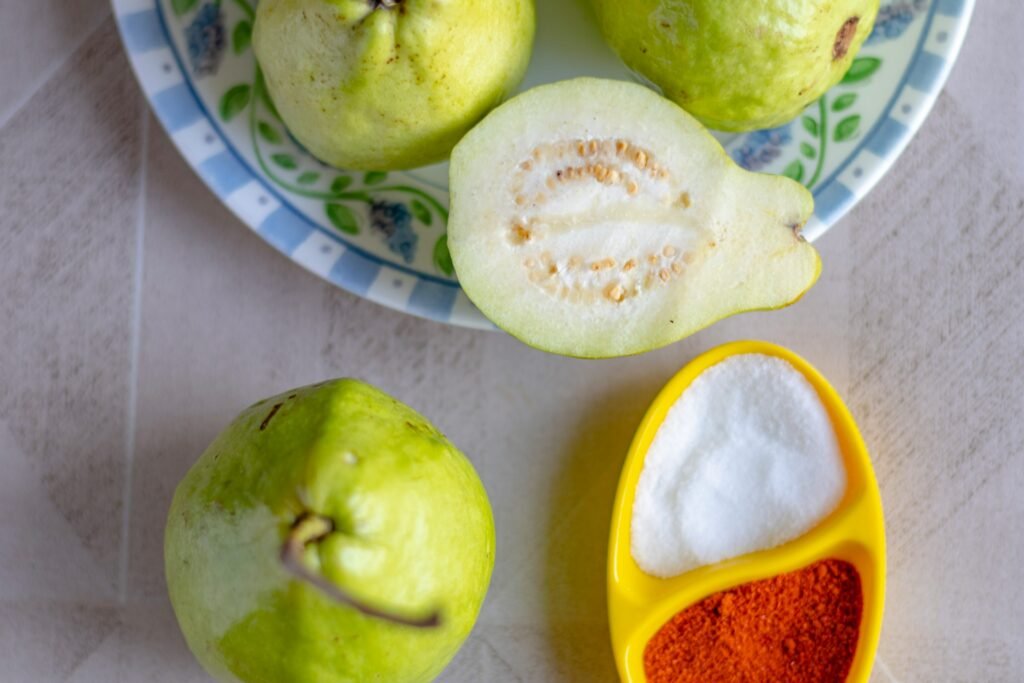
Depending on the variety, the flesh can be white, pink, or red. Psidium guajava, the common guava, is the type you are most likely to encounter in British supermarkets or specialist greengrocers. The texture is unique: the outer layer is soft and sweet, while the centre contains numerous small, hard seeds which are entirely edible.
Historically, traditional medicine has utilised not just the fruit, but also the leaves and bark for various ailments. Modern science is now catching up, validating many of these traditional uses with rigorous studies. To understand the plant’s origins and botanical classification better, you can explore resources from the Royal Horticultural Society, which details the growing conditions required for these fascinating trees.
Nutritional Breakdown: A Closer Look
When analysing guava nutrition facts, the data is staggering. It is a low-calorie fruit that punches well above its weight in terms of micronutrients. A single standard-sized guava (approximately 55 grams) provides a substantial portion of your daily nutritional needs without burdening you with excessive sugar or calories.
Vitamin C: The Immune Booster
Guava is one of the richest dietary sources of vitamin C. In fact, a single guava can provide double the Reference Nutrient Intake (RNI) for vitamin C—containing roughly four times the amount found in an equivalent weight of oranges. This makes it an essential food for supporting your immune system, especially during the colder British months.
Vitamin C plays a crucial role in collagen synthesis, which is vital for skin elasticity and joint health. It also enhances iron absorption from plant-based foods, making guava an excellent dessert choice after a vegetarian meal.
Dietary Fibre for Gut Health
Fibre is often the neglected component of our diets. The British Dietetic Association emphasises the importance of fibre for digestive health and reducing the risk of chronic diseases. Guavas are incredibly rich in dietary fibre, particularly pectin.
Just one fruit can provide about 12% of your recommended daily fibre intake. This high fibre content aids in healthy bowel movements and can help prevent constipation. Furthermore, fibre acts as a prebiotic, feeding the beneficial bacteria in your gut microbiome.
Potassium and Heart Health
Potassium is a mineral that helps regulate fluid balance and muscle contractions. Crucially, it helps to offset the harmful effects of sodium on blood pressure. The British Heart Foundation notes that getting enough potassium is key to maintaining a healthy heart.
Guavas contain more potassium by weight than bananas, making them an excellent choice for cardiovascular support. By helping to relax blood vessels, the potassium in guava contributes to maintaining healthy blood pressure levels.
Antioxidants: Lycopene and Beta-Carotene
Pink and red-fleshed guavas are teeming with antioxidants, specifically lycopene and beta-carotene. These compounds help neutralise free radicals in the body, reducing oxidative stress. Oxidative stress is a key driver of ageing and chronic inflammation.
Lycopene, the pigment that gives tomatoes and red guavas their colour, has been linked to a reduced risk of prostate cancer and protection against skin damage from UV rays. For a deeper understanding of how antioxidants function, Cancer Research UK provides a comprehensive overview of the current evidence.
Comparison: Guava vs. Common Fruits
The table below illustrates how guava stacks up against other popular fruits per 100g serving. Note the exceptional Vitamin C and fibre values.
| Nutrient (per 100g) | Guava (Raw) | Orange (Raw) | Banana (Raw) | Apple (with skin) |
|---|---|---|---|---|
| Calories | 68 kcal | 47 kcal | 89 kcal | 52 kcal |
| Carbohydrates | 14g | 12g | 23g | 14g |
| Fibre | 5.4g | 2.4g | 2.6g | 2.4g |
| Sugar | 9g | 9g | 12g | 10g |
| Vitamin C | 228mg | 53mg | 8.7mg | 4.6mg |
| Potassium | 417mg | 181mg | 358mg | 107mg |
Top Health Benefits of Guava
Beyond the raw numbers, the biological effects of consuming guava are profound. Here is how adding this fruit to your diet can translate into tangible health improvements.
1. May Help Lower Blood Sugar Levels
For those monitoring their glucose levels, guava is a safe and beneficial choice. Due to its high fibre content and relatively low glycaemic index, it prevents rapid spikes in blood sugar.
Moreover, some evidence suggests that guava leaf extract may improve insulin resistance. Diabetes UK confirms that while fruit contains natural sugar, the fibre in whole fruits like guava makes them a healthy part of a diabetic diet.
2. Can Alleviate Menstrual Pain
Painful periods, or dysmenorrhoea, affect many women. Remarkably, studies indicate that guava leaf extract may act as a potent pain reliever.
A study referenced in scientific literature suggests that taking guava leaf extract daily may decrease the intensity of menstrual cramps significantly. While more research is always welcome, the results are promising enough to consider guava tea as a natural supportive remedy. You can read more about such studies on PubMed, a leading database for biomedical literature.
3. Supports Weight Loss Goals
Guava is a weight-loss-friendly food. It is filling due to the fibre but low in calories. Unlike sugary snacks, a guava provides a satiety signal to your brain, helping you feel full for longer.
Replacing a high-calorie afternoon snack with a guava can create a calorie deficit without leaving you feeling deprived. To understand healthy weight loss strategies, the NHS Live Well guide offers excellent advice on incorporating fruits and vegetables.
4. May Boost Skin Health
The wide array of vitamins and antioxidants in guava may work wonders for your skin. Vitamin C protects your skin from oxidative damage and is essential for creating collagen, the protein that keeps skin firm.
Additionally, the antimicrobial properties of guava leaves have been studied for treating acne. While eating the fruit is beneficial, the leaves are often used in skincare formulations.
How to Select and Eat Guava
Buying tropical fruit in the UK can sometimes be hit-or-miss. Here are some tips to ensure you get the best experience:
- Check the Firmness: A ripe guava should yield slightly to gentle pressure, similar to a ripe avocado. If it is rock hard, let it ripen at room temperature for a few days.
- Smell It: The aroma should be floral and sweet. If there is no scent, it is likely not ripe. If it smells musky or fermented, it is overripe.
- Examine the Skin: Blemishes are normal, but avoid fruit with soft, sunken spots.
Preparation Tips
- Wash thoroughly: As with all produce, wash the skin under cold running water.
- Slice it: Cut the fruit into wedges or rounds.
- Eat the lot: You can eat the skin and the seeds. The rind has more vitamin C than the flesh, so do not peel it if you can avoid it!
- Cooking: Guava is high in pectin, making it excellent for jams and jellies. For culinary inspiration, BBC Good Food offers ideas on how to use this versatile ingredient.
Frequently Asked Questions
Can I eat the seeds of a guava?
Yes, the seeds are perfectly edible. They are quite hard, so chew them carefully or swallow them whole. They contribute to the total fibre content. However, if you have diverticulitis, consult your GP before eating fruits with small seeds.
Is guava safe for people with diabetes?
Generally, yes. Guava has a low glycaemic index and high fibre, which helps regulate blood sugar absorption. However, portion control is always key. For official guidance on fruit consumption, refer to GOV.UK and the Eatwell Guide.
What is the difference between pink and white guava?
Pink guava typically contains more moisture and has a stronger scent. Nutritionally, the main difference is the antioxidant lycopene, which gives the pink variety its colour. White guava typically has more vitamin C but less lycopene.
Can I drink guava leaf tea?
Guava leaf tea is a popular herbal remedy. It is made by steeping dried guava leaves in boiling water and is rich in phenolic compounds. For a broader look at the benefits of fruit extracts, you can visit Healthline for their detailed breakdown.
The Bottom Line
Guava is an exceptional fruit that deserves a prominent place in your diet. Its nutritional profile is undeniably impressive, boasting significantly more vitamin C than oranges and more potassium than bananas.
From supporting heart health and digestion to potentially alleviating menstrual pain, the benefits of guava nutrition facts are backed by science. Whether you enjoy it raw, sliced into salads, or as a healthy snack, guava offers a delicious way to boost your overall wellbeing. Next time you are at the supermarket, look past the apples and pears and give this tropical superfood a try—your body will likely thank you for it.