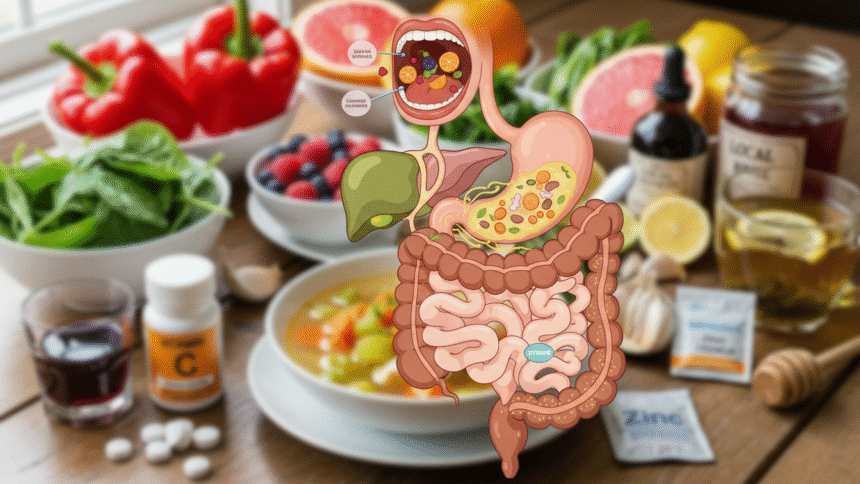
Have you ever experienced a “gut feeling” about a situation? It turns out that this common idiom is rooted in biological reality. Your gastrointestinal tract is often referred to as your “second brain,” housing an intricate ecosystem of bacteria, viruses, and fungi known as the gut microbiome. When this ecosystem is in harmony, your digestion, immunity, and even your mood thrive. However, when the balance tips in favor of harmful bacteria, it can lead to digestive distress, fatigue, and other health issues.
The key to maintaining this delicate equilibrium lies in what you eat. Specifically, incorporating probiotic foods for digestive balance into your daily diet is one of the most effective strategies for long-term health. In this comprehensive guide, we will explore the science behind probiotics, identify the most potent dietary sources, and provide practical tips for nourishing your microbiome naturally.
Understanding the Microscopic World Within
Before diving into specific foods, it is essential to understand what probiotics actually are. According to the National Institutes of Health (NIH), probiotics are live microorganisms that are intended to have health benefits when consumed or applied to the body. They function largely by replacing “good” bacteria that serve as the body’s defense system and by balancing the “bad” bacteria that can cause illness.
The human gut contains trillions of microorganisms. This community affects everything from how we store fat to how we regulate glucose. Research from Harvard T.H. Chan School of Public Health suggests that a diverse microbiome is a resilient one. By eating fermented foods rich in live cultures, you introduce distinct strains of beneficial bacteria—such as Lactobacillus and Bifidobacterium—that colonize the gut and crowd out pathogens.
The Superiority of Food Over Supplements
While probiotic supplements are a multi-billion dollar industry, many nutritionists argue that food sources are superior. Whole foods offer a complex matrix of nutrients, including vitamins, minerals, and bioactive compounds, which work synergistically to support bacterial survival through the harsh acidic environment of the stomach. Furthermore, as noted by the Mayo Clinic, food sources usually carry a lower risk of side effects compared to high-dose synthetic supplements.
Top Probiotic Foods for Digestive Balance
To cultivate a thriving internal ecosystem, consider adding the following powerhouse foods to your grocery list.
1. Yogurt: The Gold Standard
Yogurt is perhaps the most well-known source of probiotics. It is made from milk that has been fermented by friendly bacteria, mainly lactic acid bacteria and bifidobacteria. However, not all yogurts are created equal. To ensure you are getting the benefits, look for labels that explicitly state “live and active cultures.”
- Benefits: linked to improved bone health and lower blood pressure.
- Note: Some commercial yogurts are pasteurized after fermentation, which kills the bacteria. Always check the label.
2. Kefir: The Drinkable Superfood
Originating from the Caucasus Mountains, Kefir is a fermented milk drink that is similar to thin yogurt but boasts a much higher potency. Kefir grains contain a specific combination of bacteria and yeast. According to Healthline, kefir is a more potent source of probiotics than yogurt, often containing up to 61 strains of bacteria and yeasts.
3. Sauerkraut: Ancient Preservation
Sauerkraut is finely cut raw cabbage that has been fermented by various lactic acid bacteria. It is one of the oldest traditional foods and is distinctively sour. Beyond probiotics, it is rich in fiber as well as vitamins C, B, and K.
- Vital Tip: You must purchase unpasteurized sauerkraut (often found in the refrigerated section). The shelf-stable jars found in the center aisles have usually been heat-treated, destroying the beneficial bacteria.
4. Kimchi: The Spicy Powerhouse
A staple in Korean cuisine, Kimchi is typically made from fermented cabbage and Korean radishes, seasoned with chili powder, ginger, garlic, and scallions. It contains the bacteria Lactobacillus kimchii alongside other lactic acid bacteria that may benefit digestive health. A study cited by the National Center for Biotechnology Information (NCBI) highlights kimchi’s potential effects on fighting inflammation and lowering cholesterol.
5. Tempeh: A Plant-Based Protein
Tempeh is a fermented soybean product. It forms a firm patty whose flavor is described as nutty, earthy, or similar to a mushroom. The fermentation process actually lowers the amount of phytic acid in soybeans, which can increase the absorption of minerals like iron and zinc. It is a fantastic option for vegetarians seeking probiotic foods for digestive balance combined with high protein content.
6. Miso: Japanese Umami
Miso is a Japanese seasoning produced by fermenting soybeans with salt and a type of fungus called koji. It typically comes in a paste and is used in soups. Miso is an excellent source of protein and fiber, though it is high in salt, so moderation is key.
7. Kombucha: The Effervescent Tea
Kombucha is a fermented black or green tea drink. It is fermented by a friendly colony of bacteria and yeast (SCOBY). While it has gained massive popularity in the West, it has been consumed in Asia for thousands of years. As pointed out by the Cleveland Clinic, it is important to watch the sugar content in commercial kombucha brands.
Comparative Analysis of Probiotic Sources
To help you choose the right foods for your diet, here is a comparison of common probiotic sources, their primary bacterial strains, and their best culinary uses.
| Food Source | Primary Bacterial Strains | Key Nutritional Features | Best Culinary Use |
|---|---|---|---|
| Yogurt | Lactobacillus bulgaricus, Streptococcus thermophilus | High calcium, protein | Breakfast bowls, smoothies |
| Kefir | Lactobacillus kefiri, various yeasts | High potency, low lactose | Drink straight, smoothie base |
| Sauerkraut | Leuconostoc, Lactobacillus, Pediococcus | High Vitamin C, Vitamin K2 | Side dish, sandwich topper |
| Kimchi | Lactobacillus kimchii | Antioxidants, Capsaicin | Rice bowls, stir-fry side |
| Tempeh | Rhizopus oligosporus | Complete protein, Vitamin B12 | Grilled, sautéed in stir-fries |
| Miso | Tetragenococcus halophilus | Manganese, Copper, Zinc | Soups, salad dressings |
| Kombucha | Gluconacetobacter, Zygosaccharomyces | Polyphenols, organic acids | Beverage alternative to soda |
Don’t Forget Prebiotics: The Fuel
Eating probiotics is only half the battle. To ensure these beneficial bacteria survive and thrive in your gut, you must feed them. This is where prebiotics come in. Prebiotics are types of dietary fiber that the human body cannot digest, but your gut bacteria can.
According to Johns Hopkins Medicine, foods rich in prebiotics include:
- Garlic and Onions
- Asparagus
- Bananas (especially slightly green ones)
- Oats and Barley
- Apples
Combining probiotics (the bacteria) and prebiotics (the fuel) is often referred to as synbiotic eating, which maximizes the health benefits for your digestive system.
Safety and Considerations
While probiotic foods for digestive balance are generally safe for most people, those with compromised immune systems should consult a healthcare provider before making drastic dietary changes. Additionally, when introducing fermented foods, start slowly. A sudden influx of probiotics and fiber can temporarily cause gas and bloating as your microbiome adjusts.
Regulatory bodies like the FDA (U.S. Food and Drug Administration) monitor food safety, but the specific “probiotic” label claims are not as strictly regulated as pharmaceuticals, which reinforces the importance of choosing high-quality, reputable whole food sources.
Conclusion: Cultivating Wellness from the Inside Out
Your digestive system is the foundation of your overall well-being. By consciously incorporating fermented foods like yogurt, kefir, kimchi, and sauerkraut into your diet, you are doing more than just satisfying your hunger; you are cultivating a complex, protective ecosystem within your body.
Remember, consistency is key. You don’t need to overhaul your entire diet overnight. Start by adding a spoonful of sauerkraut to your lunch or swapping your afternoon soda for a kombucha. Over time, these small choices compound, leading to a stronger immune system, better nutrient absorption, and a happier, healthier you.
Disclaimer: This article is for informational purposes only and does not constitute medical advice. Always consult with a qualified healthcare professional regarding any medical condition or dietary changes.