The Mediterranean diet is widely recognised by health professionals as one of the healthiest dietary patterns in the world. Renowned for its ability to reduce the risk of heart disease and improve longevity, this way of eating emphasises plant-based foods, healthy fats, and lean proteins.
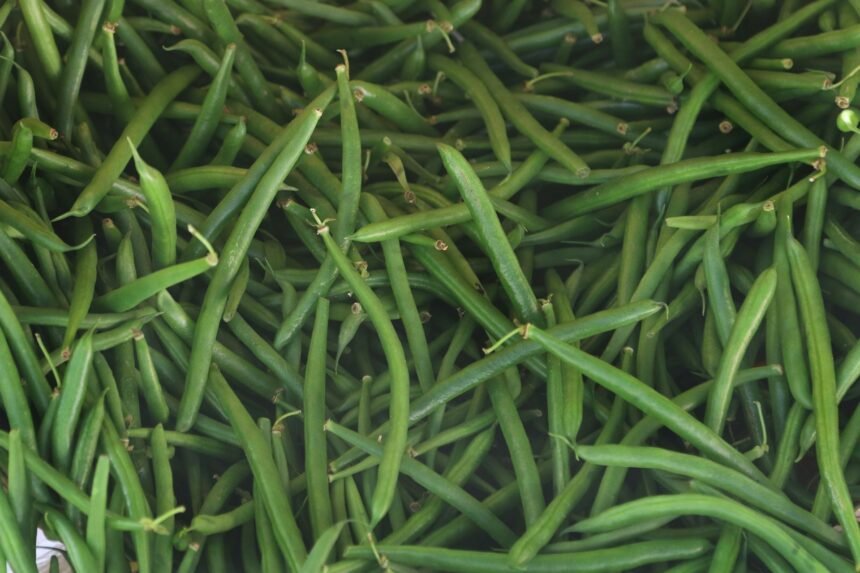
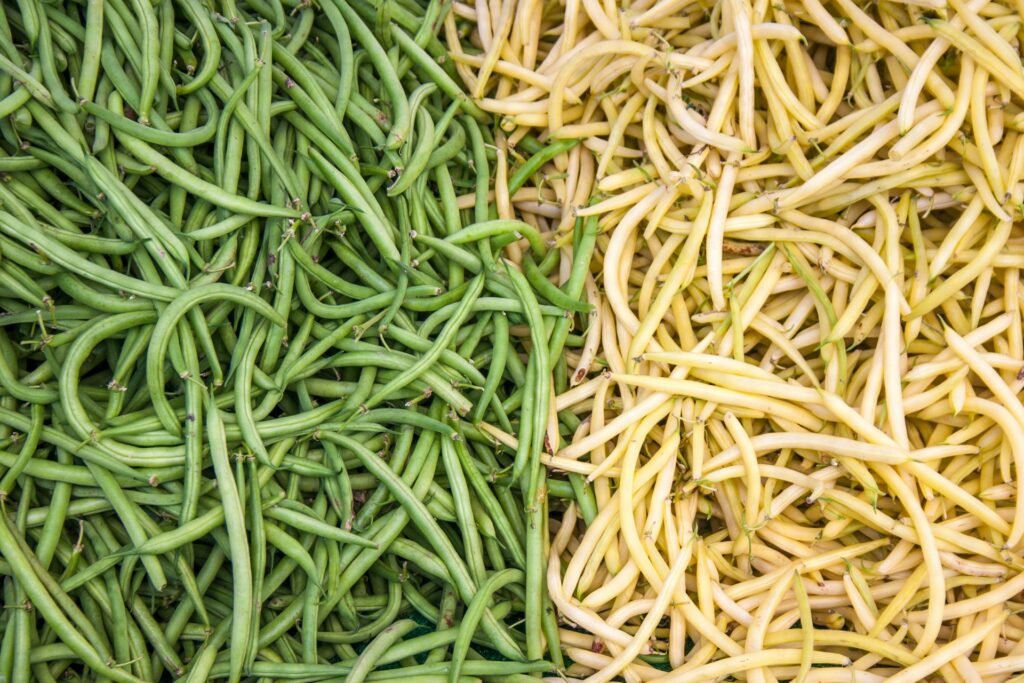
While olive oil, fish, and leafy greens often steal the spotlight, green beans are an unsung hero of this culinary tradition. Whether you call them French beans, string beans, or snap beans, they provide a versatile canvas for the rich flavours characteristic of the Mediterranean basin.
Integrating Mediterranean green bean recipes into your weekly meal rotation is not just about expanding your culinary repertoire; it is a strategic move for better health. These dishes are typically low in calories yet high in fibre and essential micronutrients.
In this article, we explore why green beans are a staple in Mediterranean cooking, the nutritional factors that make them beneficial, and provide specific recipes to help you manage a balanced diet.
Overview
The Mediterranean diet is not a strict set of rules but rather a collection of eating habits traditionally followed by people living in countries bordering the Mediterranean Sea, including Greece, Italy, and Spain. Research consistently links this diet to a lower risk of chronic conditions, such as cardiovascular disease and type 2 diabetes.
Vegetables form the cornerstone of this diet, and green beans are particularly prized for their texture and ability to absorb flavours. Unlike the boiled, bland vegetables often associated with school dinners, Mediterranean preparation methods transform green beans into vibrant, crave-worthy dishes.
By combining fresh legumes with extra virgin olive oil, tomatoes, garlic, and herbs, you create a synergy of nutrients that enhances absorption and maximises health benefits. For those seeking to improve their metabolic health or manage their weight, these recipes offer a satisfying volume of food without an excess of energy density.
Factors: Why Green Beans Are Vital for Health
Understanding the nutritional factors behind the ingredients is crucial for appreciating their role in your diet. Green beans are more than just a side dish; they are a nutritional powerhouse.
Nutritional Profile
Green beans are an excellent source of vitamins C, K, and A, as well as manganese and fibre. They contain antioxidants like flavonols, quercetin, and kaempferol, which fight harmful free radicals in the body.
Nutrient Breakdown (Per 100g serving):
| Nutrient | Amount | % Daily Value |
|---|---|---|
| Calories | 31 kcal | – |
| Fibre | 2.7 g | 11% |
| Vitamin C | 12.2 mg | 20% |
| Vitamin K | 14.4 mcg | 18% |
| Folate | 33 mcg | 8% |
The Role of Fibre in Digestion
The fibre content in green beans contributes to a healthy digestive system. Fibre helps regulate bowel movements and aids in maintaining bowel health. In the context of the Mediterranean diet, high-fibre foods are essential for stabilising blood sugar levels, preventing the rapid spikes in insulin that can lead to metabolic issues over time.
Heart Health and Inflammation
Chronic inflammation is a significant factor in the development of heart disease. The Mediterranean diet is celebrated for its anti-inflammatory properties. Green beans contain no cholesterol and very little sodium, making them heart-healthy.
Furthermore, when prepared Mediterranean-style, they are almost always paired with olive oil. Extra virgin olive oil is rich in monounsaturated fats and polyphenols like oleocanthal, which possesses anti-inflammatory properties similar to ibuprofen. This combination suggests that the way you cook your vegetables is just as important as the vegetables themselves.
Glycaemic Control
For individuals managing diabetes or looking to control their weight, green beans are a low glycaemic index (GI) food. Foods with a low GI release sugar slowly into the bloodstream. According to Diabetes UK, choosing low GI foods can help manage glucose levels effectively as part of a balanced diet.
Treatment and Management: The Recipes
In the context of dietary management, ‘treatment’ involves the practical application of nutritional science—cooking. Below are three distinct Mediterranean green bean recipes that cater to different flavour profiles while adhering to the principles of the diet.
1. Greek-Style Braised Green Beans (Fasolakia)
Fasolakia is a traditional Greek dish where beans are braised slowly in olive oil and tomato sauce until they are incredibly tender. This method contradicts the modern trend of ‘crisp-tender’ vegetables but results in a melt-in-the-mouth texture that is incredibly digestible.
Ingredients:
- 500g fresh green beans, trimmed
- 60ml extra virgin olive oil
- 1 large onion, finely chopped
- 2 cloves garlic, minced
- 400g tinned chopped tomatoes (or fresh ripe tomatoes)
- 1 tbsp tomato purée
- 1 tsp dried oregano
- Salt and black pepper to taste
- Optional: 1 diced potato (traditional addition)
Instructions:
- Preparation: Wash the beans thoroughly and snip off the ends. If you are using potatoes, peel and cut them into wedges.
- Sauté: In a large pot, heat the olive oil over medium heat. Add the onions and sauté until translucent and soft, which should take about 5–7 minutes. Add the garlic and cook for another minute until fragrant.
- Simmer: Stir in the green beans (and potatoes, if using). Coat them well in the oil. Pour in the chopped tomatoes, tomato purée, and a splash of water (about 100ml). Season with oregano, salt, and pepper.
- Braise: Cover the pot, reduce the heat to low, and let it simmer for 40–50 minutes. The beans should be very soft, and the sauce should have thickened considerably.
Why it works: The extended cooking time breaks down the cellulose in the beans, making the nutrients highly bioavailable. The lycopene in cooked tomatoes is a potent antioxidant, and its absorption is boosted by the olive oil.
2. Italian Lemon and Garlic Green Beans (Fagiolini al Limone)
This recipe is lighter and faster, perfect as a side dish for grilled fish or chicken. It emphasises the fresh, grassy notes of the beans.
Ingredients:
- 500g green beans, trimmed
- 2 tbsp extra virgin olive oil
- 3 cloves garlic, thinly sliced
- Zest and juice of 1 lemon
- Red chilli flakes (optional)
- Sea salt
Instructions:
- Blanch: Bring a large pot of salted water to a boil. Add the green beans and cook for 4–5 minutes until they are bright green and tender-crisp. Drain and immediately plunge into a bowl of ice water to stop the cooking process (shocking).
- Infuse: In a large frying pan, heat the olive oil over medium heat. Add the sliced garlic and chilli flakes. Cook gently until the garlic is golden but not brown.
- Toss: Drain the beans from the ice water and add them to the pan. Toss well to coat in the garlic oil and warm through (about 2 minutes).
- Finish: Remove from heat. Stir in the lemon juice and zest. Season with sea salt before serving.
Why it works: Lemon juice aids in the absorption of iron found in plant foods. Research indicates that Vitamin C enhances non-heme iron absorption, making this pairing nutritionally strategic.
3. Spanish Warm Green Bean Salad with Almonds
Texture is key in this Spanish-inspired dish. The crunch of toasted almonds contrasts beautifully with the tender beans.
Ingredients:
- 500g green beans
- 50g flaked almonds
- 1 small shallot, finely diced
- 1 tbsp Sherry vinegar (or red wine vinegar)
- 3 tbsp extra virgin olive oil
- Smoked paprika (pimentón)
Instructions:
- Toast: In a dry pan, toast the almond flakes over medium heat until golden. Watch them closely as they burn easily. Remove and set aside.
- Steam: Steam the green beans for 5–6 minutes until tender. Transfer to a serving bowl.
- Dress: While the beans are still warm, whisk together the olive oil, vinegar, shallot, and a pinch of salt. Pour this dressing over the beans. The warmth of the beans will slightly ‘cook’ the shallot and help absorb the dressing.
- Serve: Sprinkle with the toasted almonds and a dusting of smoked paprika.
Why it works: Nuts are a staple of the Mediterranean diet. Almonds provide healthy fats, protein, and magnesium, supporting heart health and satiety.
Practical Tips for Success
To get the most out of your Mediterranean green bean recipes, consider these practical tips regarding selection, storage, and preparation.
Selecting the Best Produce
When buying fresh green beans, look for pods that are firm, vibrant green, and free from brown spots. They should snap audibly when broken. If you can’t find fresh beans, frozen green beans are a nutritionally adequate alternative, as they are frozen at peak freshness to preserve vitamins.
According to the NHS guidelines on fruit and vegetables, frozen vegetables count towards your 5-a-day target just as much as fresh ones do.
The Importance of ‘Al Dente’ vs. Braised
There is often a debate about how long to cook vegetables. In Northern Europe, boiling vegetables to mush is often frowned upon. However, the Mediterranean method of braising (as seen in the Greek recipe) uses the cooking liquid as a sauce, ensuring that water-soluble vitamins like Vitamin C and B-vitamins are consumed rather than poured down the sink.
If you prefer boiling, use a minimal amount of water and avoid overcooking to retain the maximum nutrient profile.
Pairing with Proteins
While these green bean recipes are delicious on their own, they are best enjoyed as part of a complete meal. To maintain a balanced Mediterranean profile:
- Pair with Oily Fish: Salmon, mackerel, or sardines provide Omega-3 fatty acids which support heart function.
- Add Legumes: For a vegetarian option, stir in chickpeas or white beans to create a complete protein source.
- Serve with Whole Grains: A side of quinoa, brown rice, or wholemeal bread ensures you are getting a broad spectrum of amino acids and sustained energy.
Reducing Sodium
Canned beans can be high in salt. If you must use canned green beans, rinse them thoroughly under cold water. This simple step can reduce the sodium content by up to 40%, which is beneficial for maintaining healthy blood pressure levels, as noted by the British Heart Foundation.
The Bottom Line
Green beans are a versatile, nutrient-dense vegetable that fits perfectly into the Mediterranean way of eating. By incorporating Mediterranean green bean recipes into your diet, you are not only enjoying delicious meals but also supporting your long-term health.
The combination of fibre-rich beans with healthy fats from olive oil and nuts creates a meal that supports heart health, blood sugar management, and digestion. Whether you prefer the slow-cooked comfort of Greek fasolakia or the zesty crunch of Italian salads, there is a preparation method to suit every palate.
Remember, the most successful diet is one that is sustainable and enjoyable. Experiment with herbs, spices, and cooking times to find what works best for you.
Read more about the benefits of plant-based diets from Harvard Health or explore the nutritional data via the USDA FoodData Central to understand exactly what is on your plate.