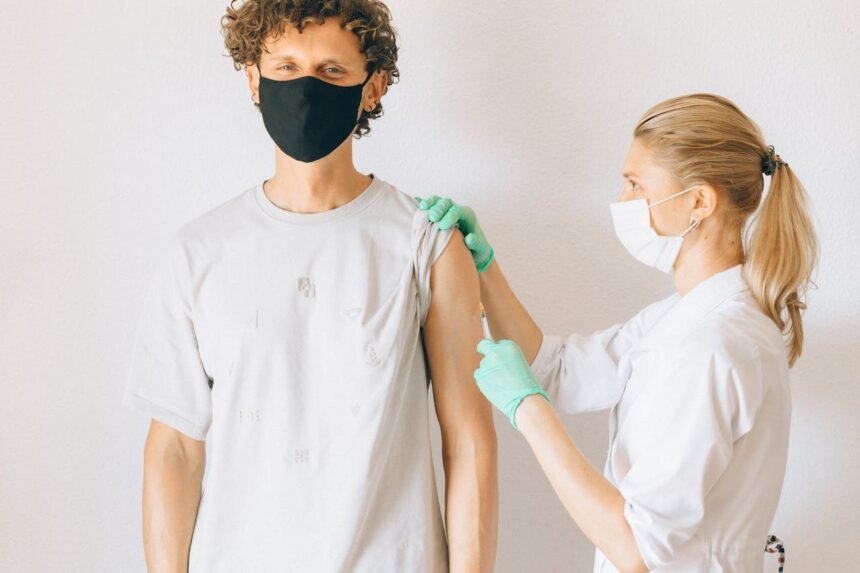
Your immune system isn’t a single “organ” you can flip on like a switch. It’s a team—cells, tissues, and signals—working together to spot threats, respond quickly, and then calm back down. The best way to support it isn’t a magic supplement or a “detox.” It’s the unglamorous, repeatable habits that keep your body well-fueled, well-rested, and less inflamed day to day.
Health agencies and medical centers consistently point to the same foundations: balanced nutrition, regular movement, enough sleep, stress management, not smoking, limiting alcohol, and good hygiene. (CDC)
Below are the habits that make the biggest difference—plus a simple table you can save and a practical FAQ.
What “supporting immunity” actually means
A strong immune system doesn’t mean “never getting sick.” It means:
- Your defenses are ready (immune cells can do their job).
- Your barriers are intact (skin, gut lining, airways).
- Inflammation is controlled (not chronically revved up).
- You recover well when you do get sick.
That’s why real immune support looks like overall health support.
The core habits that help your immune system do its job
1) Eat for consistency, not perfection
Think “steady nourishment,” not “immune-boosting” buzzwords. Your immune cells need protein, healthy fats, fiber, vitamins, and minerals to build antibodies, communicate, and repair tissues.
Practical plate goals:
- Protein at most meals (eggs, lentils, fish, tofu, yogurt)
- Color daily (leafy greens, berries, carrots, peppers)
- Fiber for the gut (beans, oats, whole grains, seeds)
- Healthy fats (olive oil, nuts, fatty fish)
If you want an evidence-based overview of supplements and immune function (including what’s promising vs. what’s overhyped), the NIH Office of Dietary Supplements has a thorough resource: Dietary Supplements for Immune Function and Infectious Diseases. (Office of Dietary Supplements)
For food-first guidance, Mayo Clinic Health System emphasizes getting nutrients from foods and building a balanced pattern: Support your immune function with good nutrition. (Mayo Clinic Health System)
And if you like a clear, no-drama explainer on lifestyle and immunity, Harvard Health’s take is worth reading: How to boost your immune system. (Harvard Health)
Tiny habit: Add one “supportive” item daily (fruit, yogurt, beans, or a handful of nuts). That’s it.
2) Move your body (moderately and regularly)
Regular physical activity supports circulation and helps immune cells move through the body efficiently. You don’t need extreme workouts—consistency matters more.
A widely used benchmark for general health is at least 150 minutes of moderate activity per week, plus strength work a couple of days a week. (www.heart.org)
Helpful references:
- AHA Physical Activity Recommendations for Adults (www.heart.org)
- WHO: Physical activity (World Health Organization)
Tiny habit: After lunch, do a 10-minute walk. It’s simple, repeatable, and stacks fast.
3) Prioritize sleep like it’s a health tool (because it is)
Sleep is when your body performs repair work and fine-tunes immune responses. Adults commonly do best around 7–9 hours (individual needs vary). (Sleep Foundation)
Two reliable resources:
Tiny habit: Pick a fixed wake-up time for most days. Sleep gets easier when your body clock is predictable.
4) Manage stress (your immune system feels it)
Short-term stress is part of life. The issue is chronic stress, which can disrupt immune function over time and leave you more vulnerable. (American Psychological Association)
A clear explainer: APA: Stress effects on the body. (American Psychological Association)
Tiny habit: Take 2 minutes to slow your breathing (inhale 4 seconds, exhale 6 seconds) before a meal or meeting. Small nervous-system “downshifts” add up.
5) Support your gut (it’s part of immune health)
A large portion of immune activity is tied to the gut. A fiber-rich diet plus fermented foods (when tolerated) can support a healthier microbiome. If you’re curious about probiotics in plain language, Cleveland Clinic breaks it down well: Probiotics: What They Are, Benefits & Side Effects. (Cleveland Clinic)
Tiny habit: Add a fiber anchor daily (beans, oats, chia, lentils, whole grains).
6) Stay hydrated (basic, but real)
Hydration supports circulation, temperature regulation, and the function of mucous membranes (a first-line barrier in your nose and throat). A practical overview: NIH News in Health: Hydrating for Health. (NIH News in Health)
If you want general intake guidance and context: Harvard Nutrition Source: Water. (The Nutrition Source)
Tiny habit: Keep a water bottle visible and finish one full bottle by midday.
7) Don’t smoke (and avoid secondhand smoke when possible)
Smoking increases infection risk and strains the respiratory system. If quitting is relevant for you, even small steps help—support and quit aids can make it much more doable. A public health overview: NHS: Benefits of quitting smoking. (nhs.uk)
For a research overview on smoking and infections: Smoking increases the risk of infectious diseases (PMC). (PMC)
8) Practice high-impact hygiene (especially handwashing)
You can have great nutrition and still catch viruses if your exposure is constant. Hand hygiene is a simple “high ROI” habit:
Tiny habit: Wash hands when you get home, before eating, and after the bathroom. Boring. Effective.

Quick table: immune-supporting habits and easy ways to start
| Habit | How it supports immunity | Easiest way to begin today |
|---|---|---|
| Balanced meals | Fuels immune cells with needed nutrients | Add 1 fruit/veg serving to one meal |
| Protein regularly | Supports antibody production and repair | Add eggs, yogurt, lentils, tofu, fish |
| Fiber + fermented foods | Supports gut microbiome and immune signaling | Add oats/beans + yogurt/kefir (if tolerated) |
| Moderate exercise | Improves circulation and immune surveillance | 10-minute brisk walk after lunch |
| Strength training | Supports metabolic health and resilience | 2 short sessions/week (bodyweight counts) |
| 7–9 hours sleep (most adults) | Supports immune regulation and recovery | Fixed wake-up time most days |
| Stress “downshifts” | Helps avoid chronic immune disruption | 2 minutes slow breathing daily |
| Hand hygiene | Reduces exposure to germs | Wash at key moments (home, food, bathroom) |
Conclusions
A healthy immune system is built the same way strong health is built: through repeatable habits. If you want the simplest “immune plan,” focus on the Big 4: eat balanced meals, move most days, sleep enough, and manage stress. Then add the “protective extras” like hydration, not smoking, and hand hygiene. These aren’t trendy—but they work, and they’re sustainable.
For a straightforward public health summary of these basics in one place, CDC’s guidance is a solid reference: Healthy Habits: Enhancing Immunity. (CDC)
FAQ
1) Can I “boost” my immune system quickly?
Not in a lasting way. You can support it (sleep, nutrition, stress reduction), but there’s no overnight permanent “boost.” Long-term habits matter most.
2) Do vitamin C, vitamin D, or zinc prevent colds?
They can help in specific situations (like deficiency), but they’re not guaranteed shields. If you’re considering supplements, start with evidence-based resources like the NIH ODS: Dietary Supplements for Immune Function.
3) What’s the single best habit for immunity?
Sleep is a top contender because it affects many systems at once—hormones, inflammation, and recovery. Aim for consistency (often 7–9 hours for adults). See: Sleep Foundation sleep needs.
4) Is moderate exercise better than intense exercise?
For most people, consistent moderate exercise is the sweet spot. Very intense training without enough recovery can temporarily increase susceptibility to illness.
5) Does gut health really affect immunity?
Yes—your gut interacts heavily with immune function. Fiber-rich foods and, for some people, fermented foods can help. A clear overview: Cleveland Clinic on probiotics.
6) What should I do during “cold and flu season”?
Double down on basics: sleep, hydration, protein, and especially hand hygiene. CDC’s handwashing guidance is a great refresher: CDC Clean Hands.
7) How do I support immunity if I’m always stressed?
Start tiny. Two minutes of slow breathing daily is a legit beginning. If stress is ongoing, structured support (therapy, coaching, routines, movement, social support) can be transformative. Helpful explainer: APA stress and the body.
If you want, I can also turn this into a blog-ready format with meta title, meta description, and SEO keywords + a clean internal linking plan for your site.