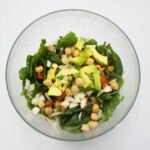
Strategic snacking can support weight management goals when approached thoughtfully and aligned with nutritional needs. Rather than viewing snacks as diet saboteurs, understanding how to incorporate healthy options between meals helps maintain stable energy levels, prevents overeating, and provides additional opportunities to meet daily nutrient requirements.
The Role of Snacking in Weight Management
Well-planned snacking serves multiple purposes in a balanced eating approach. According to the British Nutrition Foundation (https://www.nutrition.org.uk/putting-it-into-practice/eating-well/), strategic snacking can help bridge nutritional gaps, maintain steady blood sugar levels, and prevent excessive hunger that leads to overeating at main meals.
Research indicates that people who include healthy snacks in their daily routine often find it easier to maintain portion control during meals and avoid impulsive food choices driven by extreme hunger. The key lies in choosing nutrient-dense options that provide sustained energy rather than quick fixes that lead to energy crashes.
Benefits of Strategic Snacking
- Prevents extreme hunger between meals
- Maintains stable blood sugar levels
- Provides opportunities for additional nutrients
- Supports metabolic rate through regular fuel intake
- Reduces likelihood of overeating at main meals
- Helps meet daily protein and fibre requirements
Timing Your Snacks Effectively
Optimal Snack Timing
The timing of snacks significantly impacts their effectiveness for weight management. Most people benefit from snacking 2-3 hours after meals when blood sugar begins to decline and before the next meal to prevent excessive hunger.
Common effective snack times include:
- Mid-morning (10-11am) between breakfast and lunch
- Mid-afternoon (3-4pm) between lunch and dinner
- Light evening snack if dinner is early or bedtime is late
Pre-Exercise Snacking
For those incorporating physical activity, a light snack 30-60 minutes before exercise can provide energy whilst avoiding digestive discomfort. Focus on easily digestible carbohydrates with minimal fat or protein.
Post-exercise snacking within 30 minutes of activity can support recovery, particularly when combining protein and carbohydrates to replenish glycogen stores and support muscle recovery.
Nutrient-Dense Snack Categories
Protein-Rich Options
Protein provides satiety and helps maintain stable blood sugar levels. According to NHS guidelines (https://www.nhs.uk/live-well/eat-well/food-guidelines/protein/), including protein in snacks supports muscle maintenance and metabolic health.
Greek Yoghurt: High in protein and probiotics, Greek yoghurt can be paired with berries, nuts, or a drizzle of honey for balanced nutrition.
Hard-Boiled Eggs: Portable and protein-rich, eggs provide complete amino acids and healthy fats. Pair with vegetable sticks for added nutrients and fibre.
Cottage Cheese: Low in calories but high in protein, cottage cheese pairs well with fruit, vegetables, or whole grain crackers.
Nuts and Seeds: Almonds, walnuts, pumpkin seeds, and chia seeds provide protein, healthy fats, and minerals. Watch portions as these foods are calorie-dense.
Fibre-Rich Choices
High-fibre snacks promote satiety and support digestive health whilst providing sustained energy release.
Fresh Fruit: Apples, pears, berries, and citrus fruits provide fibre, vitamins, and natural sweetness. Pair with protein sources for balanced nutrition.
Vegetables with Dips: Carrot sticks, bell peppers, cucumber, and celery paired with hummus, guacamole, or yoghurt-based dips provide nutrients and satisfaction.
Whole Grain Options: Oatcakes, wholemeal crackers, or air-popped popcorn provide complex carbohydrates and fibre for sustained energy.
Balanced Combinations
The most effective snacks combine multiple macronutrients to provide both immediate satisfaction and sustained energy.
Apple with Almond Butter: Combines fruit fibre with protein and healthy fats for balanced nutrition and stable blood sugar.
Whole Grain Toast with Avocado: Provides complex carbohydrates, healthy fats, and some protein whilst being filling and nutritious.
Trail Mix: Homemade combinations of nuts, seeds, and dried fruit provide balanced nutrition, though portion control is important due to calorie density.
Portion Control for Snacks
Understanding Appropriate Portions
Snacks should provide 100-200 calories for most adults, depending on individual needs, activity levels, and time between meals. According to Diabetes UK (https://www.diabetes.org.uk/guide-to-diabetes/enjoy-food/food-understanding-labels/portion-sizes), understanding portion sizes helps prevent snacks from becoming mini-meals that contribute excessive calories.
Visual Portion Guides:
- Nuts/seeds: Small handful (about 30g)
- Fresh fruit: One medium piece or cup of berries
- Yoghurt: Small pot (150g)
- Vegetables: 1-2 cups raw vegetables
- Cheese: Matchbox size portion (30g)
Pre-Portioning Strategy
Divide snacks into individual portions immediately after purchasing to avoid overeating directly from large packages. Use small containers, bags, or pre-portioned packages to maintain consistent serving sizes.
Avoiding Common Snacking Pitfalls
Ultra-Processed Snack Foods
Highly processed snacks often contain excessive sodium, added sugars, and unhealthy fats whilst lacking nutrients that promote satiety. These foods can trigger cravings and contribute to overeating patterns.
Foods to Limit:
- Crisps and savoury crackers high in sodium
- Biscuits and sweet snacks with added sugars
- Processed meat snacks high in sodium and preservatives
- Sugary drinks and energy bars with minimal nutrition
Mindless Snacking
Eating whilst distracted by television, work, or mobile devices often leads to overconsumption and reduced meal satisfaction. Practice mindful snacking by focusing attention on the eating experience.
Mindful Snacking Strategies:
- Eat snacks away from screens and distractions
- Use proper dishes rather than eating from packages
- Pay attention to hunger and fullness cues
- Savour flavours and textures
Emotional Snacking
Distinguish between physical hunger and emotional triggers that prompt snacking. The British Psychological Society (https://www.bps.org.uk/public/understanding-psychology/understanding-emotions) emphasises developing emotional awareness to address underlying needs rather than using food for comfort.
Meal Planning for Snacks
Weekly Snack Planning
Include snacks in weekly meal planning to ensure healthy options are available and reduce impulsive choices. Consider schedule variations, activity levels, and personal preferences when planning snack options.
Planning Considerations:
- Work schedule and snack accessibility
- Exercise timing and energy needs
- Social situations and portable options
- Preparation time and convenience requirements
Batch Preparation
Prepare snacks in advance during meal prep sessions. Wash and cut vegetables, portion nuts and seeds, prepare energy balls or healthy muffins, and organise grab-and-go options.
Make-Ahead Snack Ideas:
- Vegetable sticks stored in water
- Portioned trail mix in small containers
- Hard-boiled eggs prepared weekly
- Homemade energy balls or bars
- Pre-washed fruit ready for consumption
Special Considerations
Snacking for Active Individuals
People with higher activity levels may require additional snacks or larger portions to meet energy needs. Focus on nutrient-dense options that provide sustained energy rather than just increasing calories.
Pre-Workout Snacks: Banana with small amount of nut butter, oatcakes with honey, or Greek yoghurt with berries provide easily digestible energy.
Post-Workout Snacks: Combine protein and carbohydrates within 30 minutes of exercise. Options include chocolate milk, Greek yoghurt with fruit, or whole grain crackers with cheese.
Managing Sweet Cravings
Address sweet cravings with naturally sweet options that provide additional nutrition rather than empty calories from refined sugars.
Healthy Sweet Options:
- Fresh or frozen fruit
- Dates stuffed with nuts
- Dark chocolate (small portions)
- Frozen grapes or berries
- Homemade fruit and oat bars
Creating Sustainable Snacking Habits
Environment Setup
Stock healthy snack options in visible, accessible locations whilst keeping less healthy options out of sight or out of the house entirely. Make healthy choices the easiest choices.
Flexibility and Variety
Maintain variety in snack choices to prevent boredom and ensure broad nutrient intake. Rotate options seasonally and try new combinations to maintain interest in healthy choices.
Budget-Friendly Options
Healthy snacking doesn’t require expensive specialty foods. Focus on simple, whole food options that provide good nutritional value for the cost.
Budget-Conscious Choices:
- Seasonal fresh fruit
- Basic nuts and seeds bought in bulk
- Homemade popcorn
- Eggs and dairy products
- Seasonal vegetables with homemade dips
Monitoring and Adjustment
Tracking Snack Impact
Monitor how snacks affect energy levels, hunger between meals, and overall satisfaction with eating patterns. Adjust timing, portions, or choices based on individual responses.
Long-Term Sustainability
Focus on creating snacking habits that can be maintained long-term rather than restrictive approaches that feel like deprivation. The goal is supporting overall health and enjoyment of food whilst managing weight effectively.
Conclusion
Healthy snacking represents a valuable tool for weight management when approached strategically. By choosing nutrient-dense options, controlling portions, timing snacks appropriately, and maintaining mindful eating practices, snacks can support rather than sabotage health goals.
Success with snacking requires planning, preparation, and attention to individual needs and responses. Focus on creating sustainable habits that provide both nutritional benefits and eating satisfaction whilst supporting long-term weight management goals.
Remember that the best snacking approach is one that fits your lifestyle, preferences, and health needs whilst contributing to overall nutritional quality and eating enjoyment.