When it comes to cardiovascular health, misinformation can be deadly. Despite decades of research and public awareness campaigns, heart disease remains the leading cause of death globally. Unfortunately, a significant barrier to prevention is the prevalence of outdated beliefs and old wives’ tales. Many people delay seeking treatment or ignore risk factors simply because they believe they don’t fit the “profile” of a heart patient.
In this comprehensive guide, we are looking at common heart disease myths debunked by modern science. By separating fact from fiction, we aim to empower you with the knowledge needed to take control of your heart health.
Myth 1: “I’m Too Young to Worry About Heart Disease”
The Reality: Cardiovascular issues do not discriminate by age. While the risk increases as you get older, the foundation for heart disease is often laid in childhood and adolescence.
According to the Centers for Disease Control and Prevention (CDC), plaque can start accumulating in the arteries as early as childhood and adolescence. Factors such as obesity, type 2 diabetes, and high blood pressure are becoming increasingly common in younger populations, accelerating the onset of cardiovascular issues.
It is a dangerous misconception to believe that heart attacks are exclusively a problem for the elderly. Lifestyle choices made in your 20s and 30s—such as smoking, diet, and activity levels—dictate your heart’s future. Waiting until you are 50 to care about your heart is often too late for prevention; by then, you are often managing a condition rather than preventing it.
Myth 2: “Heart Disease is a Man’s Problem”
The Reality: Heart disease is the number one killer of women, claiming more lives annually than all forms of cancer combined.
For years, heart disease was studied primarily in men, leading to a gap in understanding how it affects women. The National Heart, Lung, and Blood Institute (NHLBI) emphasizes that women are just as vulnerable, yet they are often underdiagnosed. This is partly because women may experience symptoms differently than men (see the table below) and may attribute chest discomfort to stress, anxiety, or indigestion.
Estrogen provides women with some protection against heart disease during their childbearing years, but after menopause, the risk spikes significantly, equalizing with that of men.
Myth 3: “If It Runs in My Family, There’s Nothing I Can Do”
The Reality: Genetics load the gun, but lifestyle pulls the trigger.
Having a family history of heart disease does increase your risk, but it is not a death sentence. While you cannot change your genetic makeup, you have immense control over environmental factors. The American Heart Association states that even individuals with a high genetic risk can reduce their chances of heart events by up to 50% through a healthy lifestyle.
Key actionable steps include:
- Maintaining a healthy weight.
- Exercising regularly.
- Managing stress.
- Not smoking.
Conversely, having no family history does not guarantee immunity. Poor lifestyle choices can damage a perfectly healthy genetic heart.
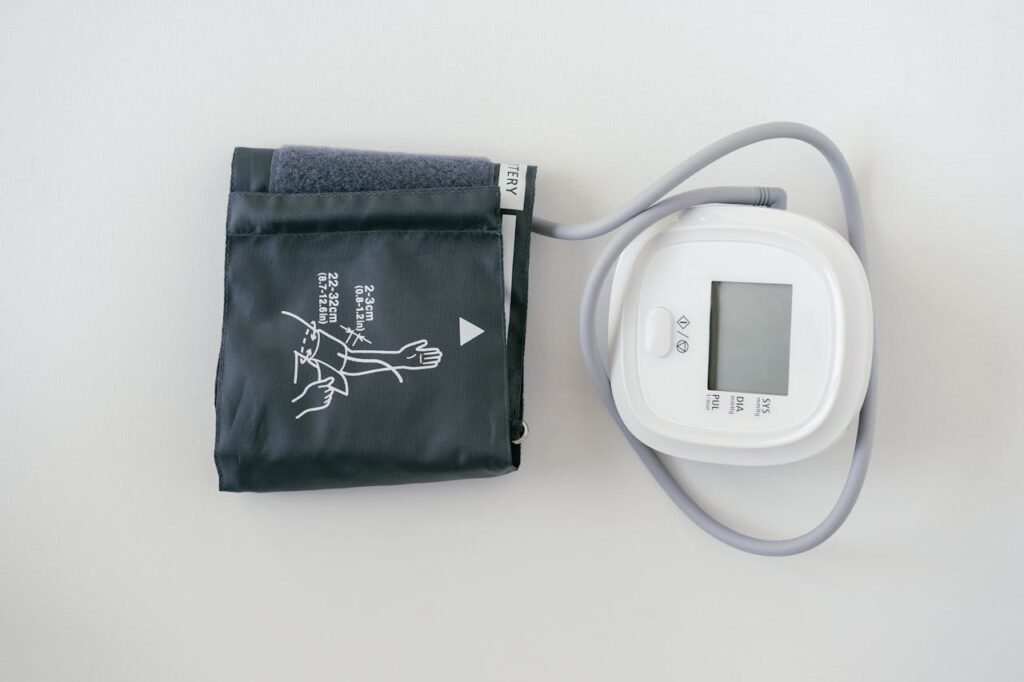
Myth 4: “I Would Know If I Had High Blood Pressure”
The Reality: High blood pressure is often called the “silent killer” because it typically has no symptoms.
You cannot feel your blood pressure rising. Many people walk around with dangerously high hypertension for years without knowing it, damaging their arteries, kidneys, and heart in the process. Relying on headaches or nosebleeds as indicators is unreliable; these symptoms usually only occur in a hypertensive crisis.
The only way to know your numbers is to get them checked. The World Health Organization (WHO) recommends regular screening for all adults, regardless of how “healthy” they feel.
Myth 5: “Heart Attack Symptoms Are Always Dramatic Chest Pain”
The Reality: Real-life heart attacks often look nothing like the “Hollywood heart attack” where a person clutches their chest and collapses.
While chest pain is the most common symptom, it is not the only symptom, nor is it always severe. Symptoms can be subtle, gradual, and vary significantly between men and women. Some people, particularly those with diabetes, may experience “silent” heart attacks with no pain at all.
Comparison: Classic vs. Atypical Symptoms
Understanding the nuance in symptoms is vital for early intervention. Below is a breakdown of how symptoms can manifest differently.
| Feature | Classic Symptoms (Common in Men) | Atypical Symptoms (Common in Women) |
|---|---|---|
| Chest Sensation | Crushing pressure, “elephant on chest,” squeezing pain. | Mild discomfort, pressure, or no chest pain at all. |
| Pain Radiation | Spreads to the left arm or shoulder. | Radiates to the jaw, neck, upper back, or both arms. |
| Stomach Issues | Occasionally indigestion. | Frequent nausea, vomiting, or severe indigestion. |
| Breathing | Shortness of breath with exertion. | Shortness of breath even while resting. |
| Energy Levels | Sudden weakness. | Profound, unexplained fatigue lasting days. |
| Other Signs | Cold sweat. | Lightheadedness, dizziness, or fainting. |
Data inspired by findings from the Cleveland Clinic.
Myth 6: “Total Cholesterol Is the Only Number That Matters”
The Reality: The breakdown of LDL, HDL, and Triglycerides is far more important than the total number.
Simply knowing your total cholesterol is an outdated metric. You need to understand the balance:
- LDL (Low-Density Lipoprotein): Often called “bad” cholesterol, this builds up in artery walls.
- HDL (High-Density Lipoprotein): The “good” cholesterol that helps remove LDL from the bloodstream.
- Triglycerides: A type of fat in the blood often elevated by sugar and alcohol consumption.
According to Harvard Health Publishing, a person could have “normal” total cholesterol but still be at risk if their HDL is too low and their triglycerides are too high.
Myth 7: “I Should Avoid Exercise If I Have Heart Disease”
The Reality: In most cases, inactivity is more dangerous to your heart than exercise.
After a cardiac event, patients are often terrified that raising their heart rate will cause another attack. However, the heart is a muscle; to get stronger, it must be worked. Guided cardiac rehabilitation is a standard of care for recovery. Johns Hopkins Medicine notes that regular physical activity helps lower blood pressure, manage weight, and reduce stress.
Note: Always consult your cardiologist before starting a new regimen, but the goal should almost always be movement, not sendentary behavior.
Myth 8: “Vitamins and Supplements Can Prevent Heart Disease”
The Reality: Supplements cannot replace a nutrient-dense diet.
The supplement industry is vast, promoting antioxidants, Vitamin E, and Beta-carotene as heart-savers. However, the National Institutes of Health (NIH) suggests that clinical trials have generally failed to show that high-dose vitamin supplements prevent cardiovascular disease or death.
The synergy of nutrients found in whole foods—fiber, minerals, and vitamins working together—is what protects the heart. A pill cannot replicate the benefits of a Mediterranean diet rich in vegetables, fruits, whole grains, and healthy fats.
Myth 9: “I Don’t Use the Salt Shaker, So My Sodium Intake Is Low”
The Reality: The vast majority of sodium in the modern diet comes from processed and restaurant foods, not the salt shaker.
You can put the shaker away completely and still consume double the recommended daily limit of sodium. Bread, cold cuts, soup, cheese, and even sweet-tasting processed foods are loaded with sodium to preserve shelf life and enhance flavor. The U.S. Food and Drug Administration (FDA) reports that over 70% of dietary sodium comes from packaged and prepared foods.
To truly lower sodium intake, you must read labels and cook more fresh food at home.
Myth 10: “Fat Is the Enemy”
The Reality: The type of fat matters more than the amount.
For decades, the “low-fat” craze led people to replace fats with refined carbohydrates and sugars, which arguably worsened the heart disease epidemic. We now know that healthy fats are essential for heart health.
- Avoid: Trans fats (often found in processed snacks) and limit saturated fats.
- Embrace: Monounsaturated and polyunsaturated fats found in olive oil, avocados, nuts, and fish.
The Mayo Clinic advocates for a diet that includes these healthy fats to lower inflammation and improve cholesterol levels.
Myth 11: “Diabetes Won’t Hurt My Heart If I Take My Insulin”
The Reality: Diabetes is considered a major risk equivalent for cardiovascular disease.
Even if blood sugar is managed, the metabolic changes associated with diabetes increase the risk of hardening of the arteries. The American Diabetes Association reports that people with diabetes are twice as likely to have heart disease or a stroke than people without diabetes—and at a younger age. Managing diabetes requires a holistic approach that includes blood pressure and cholesterol management, not just glucose control.
Conclusion: Knowledge is Your Best Defense
Busting these myths is the first step toward a longer, healthier life. Heart disease is formidable, but it is also largely preventable. By letting go of these common heart disease myths debunked in this article, you can focus on what truly matters: knowing your numbers, eating whole foods, staying active, and listening to your body.
Don’t wait for a scare to take action. If you haven’t had a checkup in the last year, or if you recognize some of the atypical symptoms mentioned above, schedule an appointment with your healthcare provider today. Your heart works 24/7 for you; it’s time you return the favor.