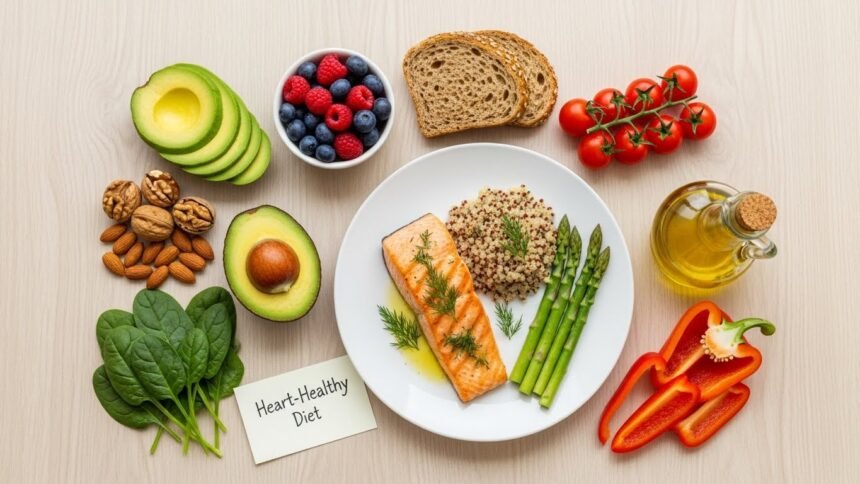
Adopting a heart-healthy diet is widely considered one of the most effective ways to protect yourself against cardiovascular disease. However, the prospect of overhauling your entire way of eating can often feel overwhelming, restrictive, or unsustainable.
The good news is that protecting your heart doesn’t require a complete menu revolution overnight. Research suggests that making consistent, small adjustments—often referred to as food swaps—can yield significant long-term benefits for your blood pressure, cholesterol levels, and overall arterial health.
Rather than focusing on deprivation, a sustainable approach involves substituting nutrient-poor ingredients for nutrient-dense alternatives. This strategy not only preserves the enjoyment of food but also ensures you are fuelling your body with the vitamins, minerals, and fibre necessary for optimal function.
In this article, we explore the science behind dietary choices and provide exhaustive, practical swaps to help you build a stronger heart, one meal at a time.
Why Your Food Choices Matter
Cardiovascular disease (CVD) encompasses a range of conditions affecting the heart and blood vessels. According to the British Heart Foundation, millions of people in the UK are living with heart and circulatory diseases. While genetics play a role, lifestyle factors—particularly diet—are significant contributors to the development and progression of these conditions.
The mechanism is often tied to inflammation, blood pressure, and cholesterol. Diets high in saturated fats, trans fats, and refined sugars can lead to the accumulation of plaque in the arteries, a condition known as atherosclerosis. This narrows the arteries, forcing the heart to work harder to pump blood, which raises blood pressure and increases the risk of heart attacks and strokes.
Conversely, a diet rich in fruits, vegetables, whole grains, and healthy fats helps manage these risks. These foods contain antioxidants that reduce inflammation, soluble fibre that lowers LDL (bad) cholesterol, and potassium which aids in blood pressure regulation.
Essential Swaps for a Heart-Healthy Diet
Making the transition to a heart-healthy diet is easier when you break it down into categories. Below are comprehensive swaps across the main food groups.
1. Swap Refined Grains for Whole Grains
Refined grains, such as white bread, white rice, and standard pasta, have been stripped of their bran and germ during processing. This removes the vast majority of the fibre and nutrients, leaving behind starchy carbohydrates that can cause rapid spikes in blood sugar.
The Swap: Choose whole grains like brown rice, quinoa, barley, oats, and wholewheat bread.
Why it works: Whole grains retain the fibre-rich outer layer of the grain. High-fibre diets are linked to a lower risk of heart disease. Soluble fibre, found notably in oats and barley, binds to cholesterol particles in the digestive system and moves them out of the body before they are absorbed. For a deeper dive into balanced eating plans, the Healthline Mediterranean Diet guide offers excellent examples of grain integration.
2. Swap Saturated Fats for Unsaturated Fats
For decades, fat was demonised, but we now understand that the type of fat matters more than the total amount. Saturated fats, found in butter, lard, and fatty cuts of meat, can raise your LDL cholesterol.
The Swap: Replace butter and coconut oil with extra virgin olive oil, avocado oil, or rapeseed oil.
Why it works: These plant-based oils are rich in monounsaturated and polyunsaturated fats. Olive oil, a staple of the Mediterranean diet, contains polyphenols—compounds with potent anti-inflammatory properties. Studies cited by the Mayo Clinic highlight that replacing saturated fats with healthier options can improve blood lipid profiles.
3. Swap Red and Processed Meat for Fish and Plant Protein
Processed meats like bacon, sausages, and deli meats are often high in salt and nitrates, which are detrimental to heart health. Heavy consumption of red meat is also associated with higher cardiovascular risk.
The Swap: Incorporate oily fish (salmon, mackerel, sardines) twice a week, and embrace plant proteins like lentils, chickpeas, and tofu.
Why it works: Oily fish are abundant in omega-3 fatty acids, which reduce triglycerides, lower blood pressure, and decrease the risk of developing irregular heartbeats (arrhythmias). Plant proteins offer the dual benefit of being naturally low in saturated fat and high in fibre. The NHS Eatwell Guide recommends eating more pulses and beans as sustainable, heart-friendly alternatives.
4. Swap Salt for Herbs, Spices, and Acids
Excessive sodium intake is a primary driver of hypertension (high blood pressure). When there is too much sodium in the bloodstream, the body holds onto water to wash it away, increasing the volume of blood and the pressure on vessel walls.
The Swap: Put down the salt shaker and season with garlic, turmeric, ginger, lemon juice, or vinegar.
Why it works: Reducing sodium intake immediately alleviates pressure on the cardiovascular system. Furthermore, spices like turmeric contain curcumin, which has anti-inflammatory effects. The Stroke Association emphasises that managing salt intake is critical for stroke prevention.
5. Swap Sugary Snacks for Nuts and Seeds
Mid-afternoon cravings often lead to reaching for biscuits, cakes, or crisps. These foods are typically high in added sugars and refined carbs, leading to weight gain and increased triglycerides.
The Swap: Keep a stash of unsalted almonds, walnuts, chia seeds, or flaxseeds.
Why it works: Nuts are calorie-dense but nutrient-rich. Walnuts, in particular, are high in alpha-linolenic acid (ALA), a type of plant-based omega-3. Regular consumption of nuts has been linked to lower levels of inflammation and improved lining of the arteries. According to Harvard T.H. Chan School of Public Health, nuts are a cornerstone of a cardioprotective diet.
Quick Reference: Smart Substitutions
| Current Choice | Heart-Healthy Swap | Key Benefit |
|---|---|---|
| Full-fat milk | Semi-skimmed or fortified soy milk | Reduces saturated fat intake |
| Milk chocolate | Dark chocolate (>70% cocoa) | High in flavonoids (antioxidants) |
| Sour cream | Greek yoghurt (0% fat) | Increases protein, lowers fat |
| Croutons in salad | Walnuts or sunflower seeds | Adds healthy fats and fibre |
| Ice cream | Frozen berries blended with yoghurt | Lower sugar, higher vitamin C |
Practical Tips for Success
Implementing these swaps requires preparation and mindfulness. Here are practical strategies to maintain your heart-healthy diet without feeling restricted.
Read the Labels
In the UK, the “traffic light” labelling system is an invaluable tool. Look for products with green indicators for saturates, sugars, and salt. Be wary of “low fat” claims, as manufacturers often increase sugar content to compensate for flavour loss. The Food Standards Agency provides detailed guidance on understanding these labels.
Batch Cook and Meal Prep
When you are tired or hungry, it is easy to revert to convenience foods. By preparing batches of heart-healthy grains like quinoa or chopping vegetables in advance, you make the healthy choice the easy choice. Cooking at home also allows you to control the amount of salt used, unlike takeaway meals which are notoriously high in sodium.
Hydrate Wisely
Sugary beverages like cola and energy drinks are major sources of empty calories and can contribute to type 2 diabetes, a major risk factor for heart disease. Swap these for water, herbal teas, or water infused with cucumber and mint. Diabetes UK highlights that reducing liquid sugar is one of the fastest ways to improve metabolic health.
Mindful Eating
Slow down when you eat. It takes approximately 20 minutes for your brain to register fullness. Eating slowly can prevent overeating, helping to manage weight—a crucial factor in reducing strain on the heart. Obesity significantly increases the risk of developing heart failure and coronary artery disease.
Focus on Colours
Aim to eat a “rainbow” of fruits and vegetables. Different colours represent different phytonutrients. For example, red tomatoes provide lycopene, while leafy greens provide Vitamin K and nitrates which help improve blood flow. The World Health Organization (WHO) recommends at least 400g of fruit and vegetables per day to prevent chronic diseases.
Managing Dietary Fat and Cholesterol
It is important to distinguish between dietary cholesterol and blood cholesterol. For most people, the amount of saturated fat eaten has a much greater impact on blood cholesterol levels than the actual cholesterol found in foods like eggs or prawns. Therefore, prioritising the reduction of saturated fats (fatty meats, cakes, biscuits) is more effective than cutting out eggs.
Furthermore, trans fats—often found in fried fast foods and commercially baked goods—should be avoided entirely. These fats not only raise bad cholesterol but also lower good cholesterol (HDL). The National Institutes of Health (NIH) developed the DASH diet (Dietary Approaches to Stop Hypertension), which provides a structured framework for reducing these harmful fats.
The Bottom Line
Transitioning to a heart-healthy diet does not require a sudden, drastic overhaul of your lifestyle. It is about making smarter, conscious decisions daily. By swapping saturated fats for unsaturated ones, choosing whole grains over refined carbohydrates, and reducing sodium intake, you can profoundly influence your cardiovascular health.
Remember that food is information for your body. Every meal is an opportunity to nourish your heart and arteries. Start with one or two swaps this week—perhaps changing your white toast to wholemeal or snacking on almonds instead of crisps. Over time, these small changes compound, leading to a longer, healthier, and more vibrant life.
Always consult with a GP or a registered dietitian before making significant changes to your diet, especially if you have pre-existing health conditions or are taking medication. For more scientific data on nutrition, resources like PubMed offer access to the latest studies on dietary interventions and heart health.