Digestive discomfort is an experience shared by nearly everyone at some point in their lives. Whether it is the uneasiness of bloating, the frustration of irregularity, or general abdominal pain, gut health plays a pivotal role in your overall well-being. When searching for natural remedies, it is easy to overlook the simplest solutions sitting right in your fruit bowl.
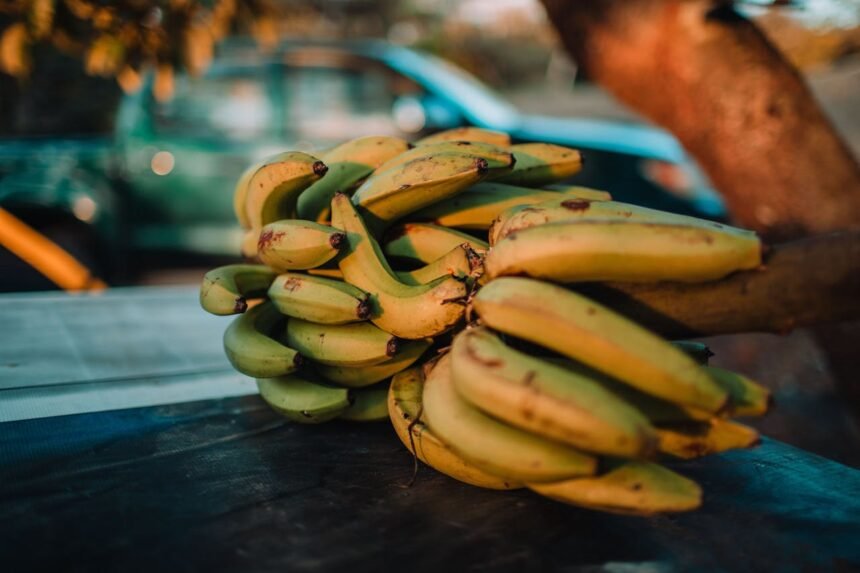
Bananas are one of the most widely consumed fruits globally, yet their profound impact on digestive health is often underestimated. While they are famous for their potassium content, their interaction with the human digestive system is far more complex and beneficial. They offer a unique combination of carbohydrates, essential vitamins, and distinct types of dietary fibre that change as the fruit ripens.
Understanding how bananas and fibre work together can empower you to make better dietary choices. This article explores the science behind bananas, how they influence your gut microbiome, and practical ways to incorporate them into your diet for optimal digestive support.
Overview: The Role of Fibre in Gut Health
Before diving into the specifics of bananas, it is essential to understand why fibre is the cornerstone of digestive health. Dietary fibre consists of non-digestible carbohydrates found in plant foods. Unlike other nutrients, your body does not break down fibre in the small intestine. Instead, it passes relatively intact into your large intestine (colon), where it feeds friendly gut bacteria or adds bulk to your stool.
According to the comprehensive guide to fibre on the NHS website, most adults in the UK do not consume enough fibre. The recommended intake is 30g per day, yet the average intake hovers around 18g. Increasing this intake is crucial for preventing constipation and maintaining bowel health.
Bananas are a convenient vehicle for boosting this intake. A medium-sized banana provides approximately 3 grams of fibre. While this might seem modest compared to beans or whole grains, the type of fibre in bananas is what makes them special. They contain both soluble fibre (primarily pectin) and insoluble fibre, alongside resistant starch, which behaves like fibre in the body.
Symptoms and Causes: Why Your Gut Needs Support
Poor digestive health often manifests through a variety of symptoms that can disrupt daily life. Understanding these signals is the first step toward management.
Common Digestive Complaints
- Constipation: Characterised by infrequent bowel movements or difficulty passing stool. This is often caused by a lack of dietary fibre and dehydration.
- Diarrhoea: Loose, watery stools that can lead to dehydration and electrolyte imbalance.
- Bloating: A feeling of fullness or swelling in the abdomen, often resulting from gas trapped in the digestive tract.
- Irregularity: Unpredictable bowel habits that swing between constipation and loose stools.
Bananas are unique because they can assist with both constipation and diarrhoea, depending on their ripeness and how your body processes them. This duality makes them a staple in dietary management plans.
Detailed Breakdown: The Science of Bananas
To truly appreciate the health benefits, we must look at the nutritional components of the banana and how they interact with your physiology.
1. Pectin and Soluble Fibre
One of the primary fibres found in bananas is pectin. Pectin is a soluble fibre, meaning it dissolves in water to form a gel-like substance. As it moves through your digestive system, this gel helps to soften stools and prevent constipation. Furthermore, Healthline explains the nutritional benefits of bananas, noting that pectin levels are higher in unripe bananas and decrease as the fruit softens.
However, pectin serves a dual purpose. In cases of diarrhoea, pectin acts to absorb excess fluid in the intestine, helping to firm up stool. This ability to normalise bowel function is why bananas are a key component of the BRAT diet (Bananas, Rice, Applesauce, Toast), often recommended for recovering from stomach bugs.
2. Resistant Starch: The Prebiotic Powerhouse
Perhaps the most fascinating aspect of bananas and fibre is resistant starch. Found abundantly in green and slightly yellow bananas, resistant starch escapes digestion in the small intestine. When it reaches the large intestine, it becomes fuel for beneficial gut bacteria.
This process is known as a prebiotic effect. As bacteria ferment the resistant starch, they produce Short-Chain Fatty Acids (SCFAs) like butyrate. Research published by the National Institutes of Health (NCBI) highlights that butyrate improves colon health by reducing inflammation and strengthening the gut barrier.
3. Potassium and Electrolyte Balance
While not fibre, potassium is critical for digestion. Smooth muscle contraction in the digestive tract (peristalsis) moves food through your system. Potassium is an electrolyte that facilitates these muscle contractions.
If you have suffered from digestive upset, particularly diarrhoea, you lose essential electrolytes. Replenishing potassium helps restore balance and prevents the fatigue associated with dehydration. You can learn more about electrolyte balance from Harvard T.H. Chan School of Public Health.
4. Green vs. Yellow: Choosing the Right Banana
The impact of a banana on your digestion depends heavily on its stage of ripeness:
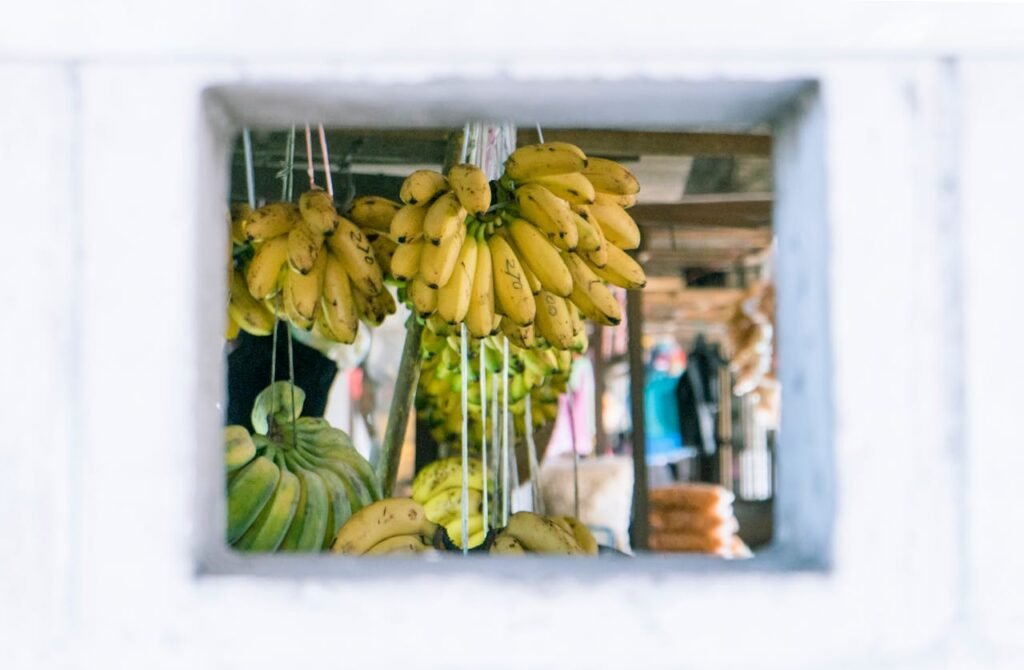
- Green (Unripe): High in resistant starch (up to 70-80% of dry weight). These have a lower glycaemic index and are excellent for feeding gut bacteria, though they can cause gas in some people.
- Yellow (Ripe): The starch converts to simple sugars (fructose, glucose, sucrose). They are easier to digest quickly and provide an instant energy boost. The antioxidant levels also increase as the banana ripens.
- Spotted/Brown: These have the highest sugar content and the lowest starch levels. They are the easiest to digest but have the most significant impact on blood sugar.
Nutritional Data Breakdown
The following table outlines the approximate nutritional value of a medium-sized banana (approx. 118g).
| Nutrient | Amount | % Daily Value (approx) |
|---|---|---|
| Calories | 105 | 5% |
| Total Carbohydrate | 27g | 9% |
| Dietary Fibre | 3.1g | 12% |
| Sugars | 14.4g | – |
| Protein | 1.3g | 3% |
| Potassium | 422mg | 9% |
| Vitamin C | 10.3mg | 11% |
| Vitamin B6 | 0.4mg | 20% |
| Magnesium | 32mg | 8% |
Source: United States Department of Agriculture (USDA) FoodData Central.
Diagnosis and Treatment: When Diet Isn’t Enough
While increasing your intake of bananas and fibre is a powerful proactive step, it is not a cure-all for chronic conditions. If you experience persistent digestive issues, it is vital to seek professional advice.
When to See a Doctor
You should consult a General Practitioner (GP) if you experience:
- A sudden, persistent change in bowel habits.
- Blood in your stool.
- Unexplained weight loss.
- Severe abdominal pain.
These could be signs of underlying conditions such as Irritable Bowel Syndrome (IBS), Inflammatory Bowel Disease (IBD), or coeliac disease. Information on these conditions is available via Johns Hopkins Medicine.
Medical Interventions
A doctor may recommend a specific diet, such as the Low-FODMAP diet, for IBS sufferers. Interestingly, while ripe bananas are generally low-FODMAP, over-ripe bananas can be high in oligo-fructans, which might trigger symptoms in sensitive individuals. Always follow the advice of a healthcare professional regarding specific dietary restrictions.
Tips for Management: Incorporating Bananas
Integrating bananas into your diet is simple, versatile, and cost-effective. Here are several evidence-based ways to boost your digestive health using this fruit, aligned with the Eatwell Guide from GOV.UK.
1. The Prebiotic Breakfast
Combine a slightly green banana with bio-live yoghurt and oats. The resistant starch in the green banana works synergistically with the probiotics in the yoghurt and the beta-glucan fibre in the oats to create a gut-health powerhouse meal.
2. Sugar Substitution in Baking
Use mashed, very ripe bananas to replace refined sugar and butter in baking recipes. This increases the fibre content of muffins or pancakes while reducing saturated fats. This is a strategy supported by Diabetes UK to help manage blood glucose spikes, though portion control remains key.
3. Post-Workout Recovery
Eat a ripe banana 30 minutes after exercise. The easily digestible sugars replenish glycogen stores, while the potassium helps prevent muscle cramping. This is easier on the stomach than processed sports gels for many people.
4. Smoothie Thickener
Frozen banana slices add a creamy texture to smoothies without the need for dairy. This is an excellent way to consume the fruit if you struggle with the texture of fresh bananas.
Frequently Asked Questions
Do bananas cause constipation?
Generally, no. Bananas are typically rich in fibre, which helps relieve constipation. However, unripe green bananas contain high amounts of resistant starch and tannins, which can be difficult for some people to digest and may contribute to constipation if they are not accustomed to a high-fibre diet. Ensure you drink plenty of water, as advised by the Mayo Clinic.
Are bananas bad for blood sugar?
Bananas do contain natural sugars, but they also contain fibre, which slows absorption. Green bananas have a lower Glycaemic Index (GI) than ripe ones. People with diabetes can enjoy bananas but should be mindful of portion sizes and ripeness. The British Nutrition Foundation suggests pairing fruit with nuts or seeds to further stabilise blood sugar.
How many bananas should I eat a day?
One or two bananas a day is considered a moderate intake for most healthy people. This counts towards your 5 A Day, a campaign promoted by the NHS 5 A Day guide. Excessive consumption could theoretically lead to hyperkalemia (too much potassium), though this is rare in individuals with healthy kidney function.
Can bananas cause gas and bloating?
Yes, for some people. The soluble fibre and sorbitol (a sugar alcohol) naturally found in bananas can cause gas production during fermentation in the gut. If you have IBS, you may want to limit your portion size. You can read more about fruit sugars and bloating at BBC Good Food.
The Bottom Line
Bananas are a nutritional powerhouse that offers significant benefits for digestive health. Their unique profile of bananas and fibre, ranging from pectin to resistant starch, makes them a versatile tool for managing both constipation and diarrhoea.
By selecting the right ripeness for your specific needs—green for prebiotic gut support or yellow for ease of digestion—you can optimise their health benefits. They are affordable, portable, and delicious, making them one of the easiest ways to support your journey toward better gut health.
However, remember that diet is just one piece of the puzzle. Hydration, stress management, and regular exercise are equally important. If digestive symptoms persist, prioritising a consultation with a healthcare provider is essential to rule out underlying issues.